
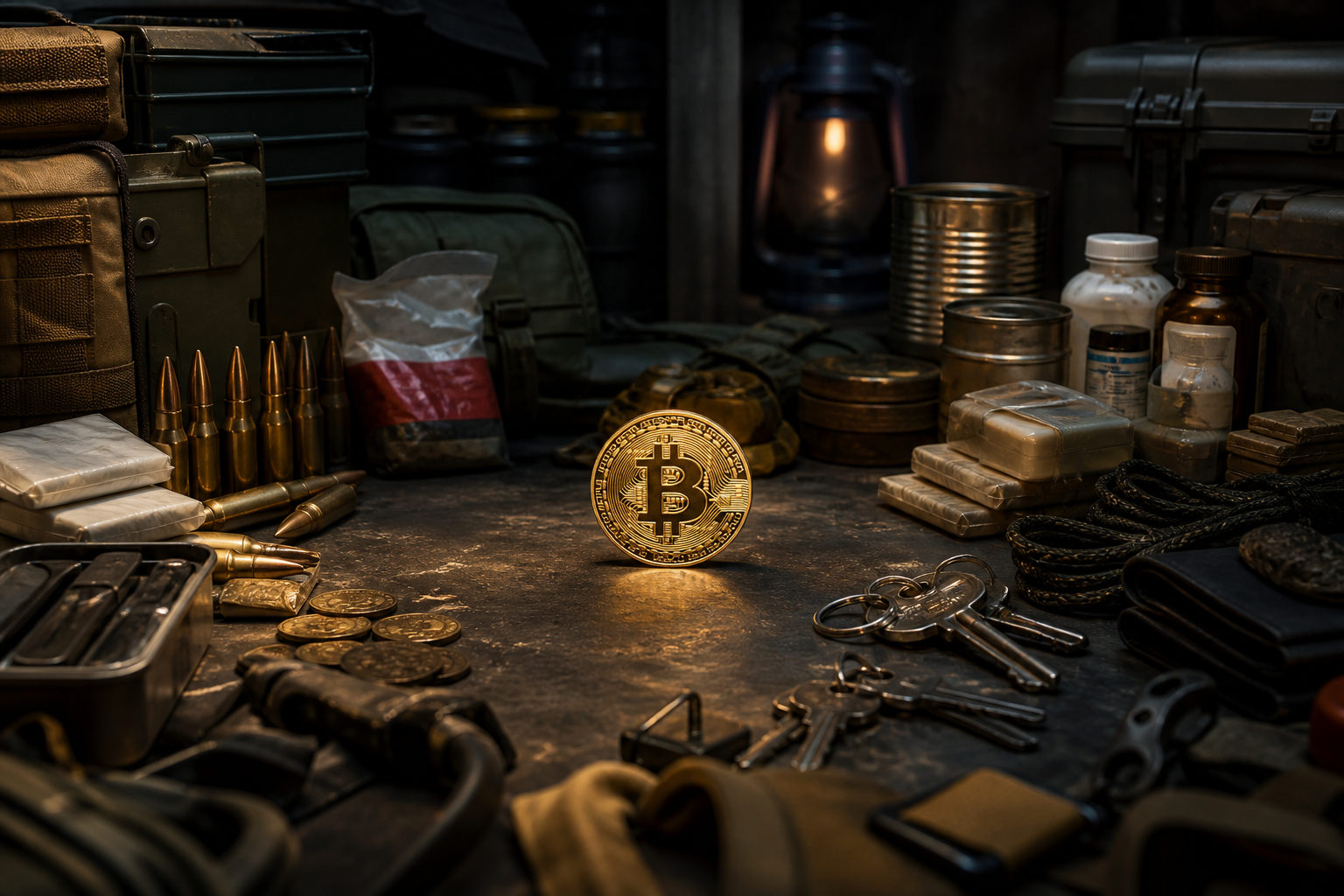
In Tarkov, a Bitcoin is usually something you either keep for a task, save for a useful trade, or sell once it no longer helps your progression. The right move is to check its purpose before you cash it out.
Start with one question: keep it or sell it
People searching “what to do with bitcoin tarkov” usually do not want a lore explanation. They want to know what action makes sense right now, with the item sitting in their stash.
A safe approach is to check your current tasks, trader screens, and short-term resource needs before doing anything else. That matters because Bitcoin in Tarkov is not just a valuable item; it can affect task flow, trading choices, and your overall stash management.
The main mistake is acting too fast. If you sell first and check later, you may end up needing that same item for a task path or a trade you actually wanted.
A step-by-step way to handle Bitcoin
Step 1: Check your tasks first
Open your task list and review both active objectives and the next part of the line you plan to push. The action here is simple: verify whether holding high-value items makes sense for your next stretch of progression.
The reason is just as simple. A Bitcoin might be more useful as a progression tool than as instant cash, especially if selling it now creates extra work later.
One caution: do not only look at what is active today. Many players clear out stash items, then realize the next phase of their progress would have gone more smoothly if they had held onto them.
Step 2: Look at trader uses
If your tasks do not need it, move to the trader menus and see whether Bitcoin fits a trade that helps you right away. Compare two outcomes: what you gain from selling it, and what you gain from using it in a trade for gear or supplies you will actually run.
This matters because value in Tarkov is not only about raw sale return. Practical value also comes from rarity, convenience, stash pressure, and whether the item you receive makes your next raids easier.
Be careful here. A trade can look attractive simply because it feels premium, but that does not mean it fits your playstyle or your current needs.
Step 3: Sell it if it has no near-term use
If the Bitcoin does not help with tasks and does not fit a trader trade you care about, selling it is often the cleanest choice. The action is direct, and the reason is strong: flexible resources are often more useful than a single item sitting untouched in your stash.
For many players, turning that value into raid-ready essentials is the most practical route. Just do not hold it forever out of hesitation if your real problem is a lack of meds, ammo, or dependable kits.
Why this decision feels harder than it should
When people ask what Bitcoins are used for in Tarkov, they are usually running into uncertainty, not confusion about the item itself. Bitcoin feels important, looks rare, and carries the fear of making a bad call.
That is why there is no single answer that fits every player. Someone focused on tasks may want to hold it, while someone short on basic gear may get more value from selling it and stabilizing their next few raids.
Your account state matters more than generic advice. Stash space, progression goals, preferred kits, and your tolerance for risk all change the best choice.
Do not let “best method” posts make the choice for you
The biggest risk is not usually the item. It is bad advice from outside the game, especially when it comes wrapped in certainty.
If someone says there is only one correct answer, treat that with caution. A guide can help you think through the decision, but it cannot see your current tasks, stash layout, or the gear you actually use.
There is also a basic security angle. Do not hand over account login details, codes, or device access to anyone claiming they can manage your stash, farm items, or handle progression for you. A Bitcoin is never worth exposing your account.
- Action: Make sell, trade, and task decisions only through the official in-game interface.
- Reason: External advice can be wrong, and outside access creates account risk.
- Caution: If a tip sounds urgent or guaranteed, stop and check your tasks and stash again.
A practical decision order you can reuse
If you do not want to rethink the issue every time, use the same sequence whenever you get a Bitcoin. That turns “what are bitcoins used for in tarkov” into a repeatable checklist instead of a vague debate.
- Review your current and near-term task needs.
- Check whether a trader use fits something you will use soon.
- Look at stash pressure and your shortage of common raid resources.
- Decide whether you need progression, gear value, or flexible cash flow more.
- Sell only after the first checks fail to justify keeping it.
This order works because it forces you to connect the item to your actual situation. You are not guessing, and you are not following someone else’s account priorities.
FAQ
Should I sell Bitcoin right away in Tarkov?
Not always. If it may help with a task or a trade you care about, keeping it first can save trouble later; if it has no near-term purpose and you need usable resources, selling makes more sense.
What are Bitcoins used for in Tarkov besides selling?
They can matter for task planning and trader decisions, depending on your progression. Their value is not only in being sold, but also in what they let you do next.
How do I decide whether to keep or sell a Bitcoin?
Check three things in order: task relevance, trader usefulness, and your current resource shortage. Once those are clear, the choice usually becomes much easier.
What should a beginner do with Bitcoin in Tarkov?
A beginner should slow down and check progression first. If you are unsure, do not rush the decision just because the item feels valuable.
Can following random guides lead to mistakes?
Yes. A guide may reflect a different patch, a different stash situation, or a different playstyle, so copying the advice without checking your own account can backfire.
If you have a Bitcoin in your stash right now, the most useful next move is to review tasks, trader options, and your immediate resource gaps before you act. That simple check prevents most bad decisions.
Disclaimer: This article is for informational and educational purposes only and is not investment, financial, or legal advice. Crypto assets are highly volatile and you could lose your entire investment. Do your own research and decide carefully.