
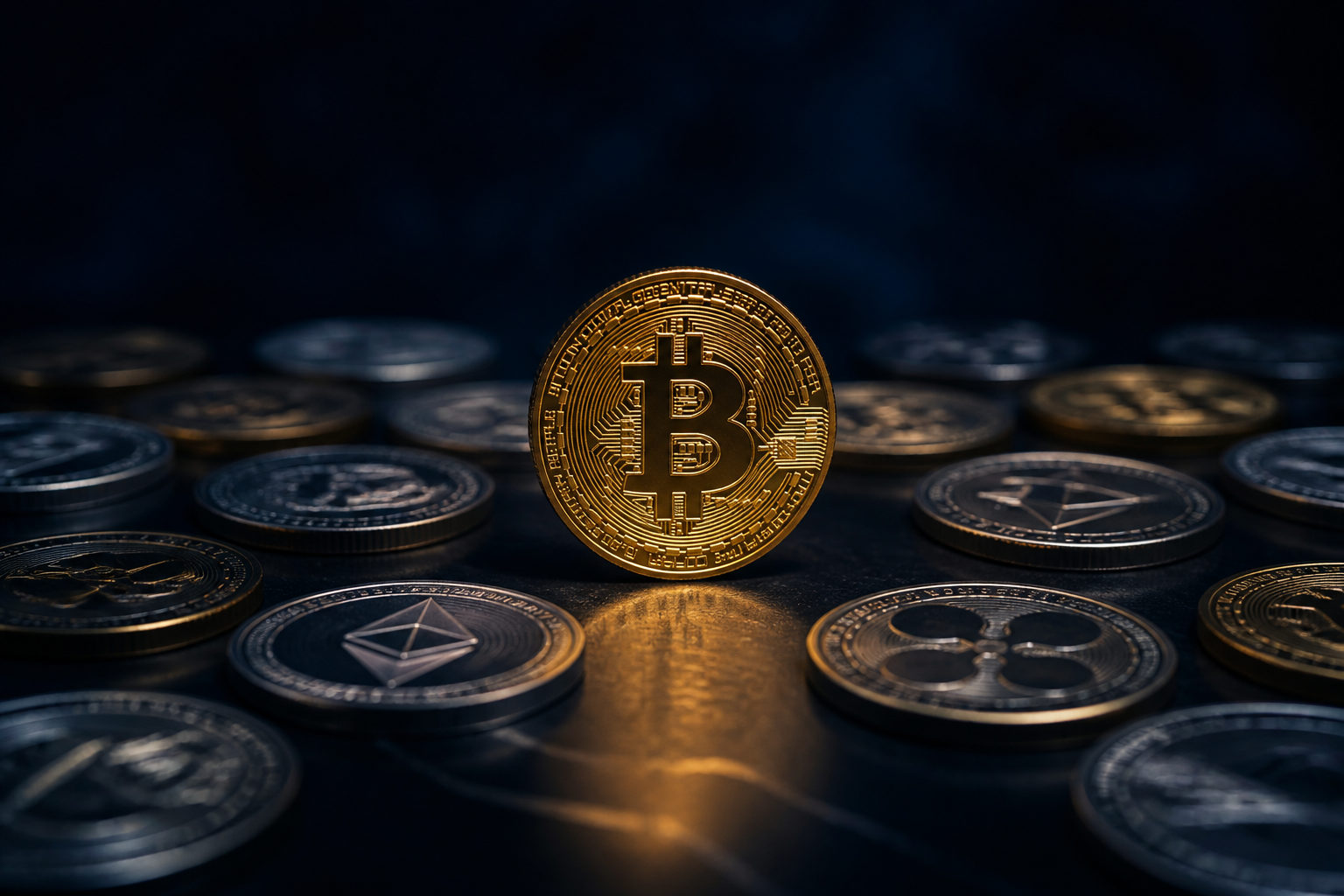
If you are asking what is the best bitcoin to invest in, the first answer is simple: make sure the asset is actually BTC. Many people lose money before investing even starts because they confuse Bitcoin with copycat coins, wrapped versions, or outright scams.
Step 1: Confirm that “Bitcoin” really means BTC
In everyday market use, Bitcoin usually refers to BTC, the native asset of the network introduced by Satoshi Nakamoto. Its origin goes back to the 2008 white paper Bitcoin: A Peer-to-Peer Electronic Cash System, and the network began with the genesis block in January 2009.
This matters because marketers and scammers often blur the line on purpose. A coin may use the word bitcoin in its name, borrow similar branding, or claim to be a faster or cheaper version, but that does not make it the same asset. The name can look familiar while the rules, security model, and market acceptance are completely different.
What to do
- Check whether the ticker is BTC rather than relying on the display name alone.
- Confirm that the asset belongs to the Bitcoin network, not a wrapped token on another chain.
- Review the wallet or exchange screen carefully and verify the network before buying or transferring.
If someone avoids these basic checks and keeps pushing urgency, private groups, or guaranteed gains, treat that as a warning sign.
Step 2: Decide whether you are investing or trading
Many searches around “what are the best bitcoin to invest in” come from a deeper question: what am I trying to do with this position? Your time frame changes everything, from how you enter to how you react when price swings hit.
If your goal is long-term exposure, the practical move is to build a plan before you buy. Bitcoin can move sharply because of supply and demand, market sentiment, policy headlines, and changes in broader risk appetite. Without a plan, people often say they are investing for the long run, then panic at the first major drawdown.
If your goal is short-term trading, be honest about the skill set involved. You are not just guessing direction. You are managing timing, costs, discipline, and your ability to follow exit rules when the market moves against you.
What to do
- Write down your purpose: long-term allocation, short-term trade, or simple learning position.
- Set a loss limit you can live with and avoid using money needed for bills or emergencies.
- Choose an entry method in advance, such as splitting purchases over time instead of rushing in all at once.
People with vague goals are easier targets for “safe income,” “expert signals,” and copy-trading sales pitches.
Step 3: Put scam checks into every decision
The best bitcoin investment for most people is not the most exciting story. It is the asset you can verify, understand, and store with basic confidence. In this market, fraud prevention is not an extra skill. It is part of the investment process itself.
Start with the way the offer is presented. Unsolicited messages, pressure to join a group, promises of fixed returns, claims of insider access, and requests to send funds to a personal wallet are all serious red flags. A real asset does not need secret channels or a self-proclaimed mentor to prove its value.
Custody is just as important. You do not own Bitcoin because a screenshot says you do. You own it when you control access to it, or when you have chosen a custody method you fully understand. If you are new, at least remember one hard rule: nobody legitimate needs your seed phrase.
Common scam signals
- Mixing BTC with unrelated coins to make them seem interchangeable.
- Asking you to transfer funds first for activation, verification, or a special tier.
- Directing you to unfamiliar software or a fake login page.
- Offering managed trading with steady profits while hiding the actual product.
If you cannot verify the asset on your own, cannot store it safely, or cannot withdraw freely, you should not move forward.
Step 4: Judge the asset with four core filters
If you are still asking what’s the best bitcoin to invest in, use a framework rather than a slogan. For most readers, four filters are more useful than a bold claim: authenticity, liquidity, custody difficulty, and your own level of understanding.
Authenticity comes first. Bitcoin has a clear origin story and rule set: the white paper by Satoshi Nakamoto, the genesis block in January 2009, and a supply cap of 21 million coins. You do not need to master every technical detail, but you should know whether the asset in front of you follows that system or only borrows the name.
Liquidity matters because an investment is not just about buying. It is also about the ability to sell or transfer without getting trapped. Some lookalike assets seem easier to access, yet become difficult when you try to exit.
Custody difficulty affects real risk. Bitcoin is divisible, and its smallest unit is 1 satoshi, or one hundred millionth of a BTC. That means you do not need to chase a cheaper “bitcoin alternative” just because you cannot buy a whole coin.
Understanding decides whether you can hold your position through volatility. If you do not know what you bought, why it moves, and how to protect it, even a good asset can turn into a bad decision.
FAQ
Are there many official versions of Bitcoin to choose from?
Usually no. In most discussions, Bitcoin means BTC. Other assets with similar names may be forks, wrapped tokens, or marketing labels, so they should not be treated as the same thing by default.
Can I invest in Bitcoin without buying a whole coin?
Yes. Bitcoin is divisible down to 1 satoshi, which is one hundred millionth of a BTC. For most people, position size and discipline matter more than owning one full coin.
How can I tell whether a “Bitcoin opportunity” is a scam?
Check the ticker, network, and withdrawal process first. Then look for pressure tactics, guaranteed returns, personal wallet requests, or anyone asking for your seed phrase.
Is buying in stages better than making one purchase?
That depends on your risk tolerance and your plan. For people without a tested trading system, staged buying is often easier to manage than an all-in decision made on emotion.
Where should I check the live Bitcoin price?
Use major market data sites or widely used trading apps and compare what you see. Do not rely on a single screenshot; verify the trading pair, the quoted time, and whether the price is actually tradable.
If you want an actionable starting point, do three things first: confirm the asset is BTC, choose a custody method you understand, and use only capital you can afford to expose to volatility. That process matters more than any catchy answer to the question of the best bitcoin to buy.
Disclaimer: This article is for informational and educational purposes only and is not investment, financial, or legal advice. Crypto assets are highly volatile and you could lose your entire investment. Do your own research and decide carefully.