
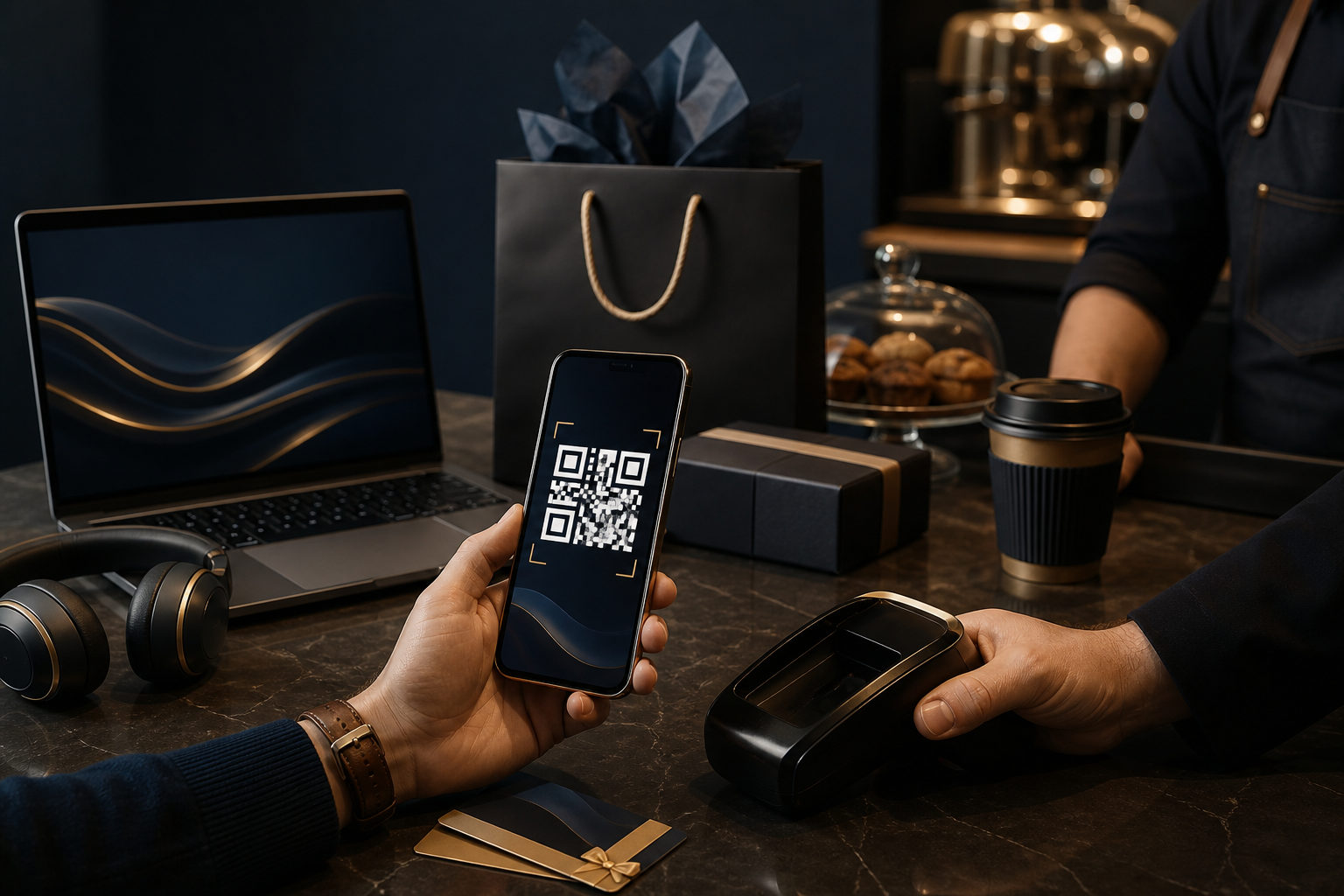
You can spend bitcoins on digital goods, online services, gift cards, and some in-store purchases. The real question is not just what can u spend bitcoins on, but whether the seller truly accepts Bitcoin, how delivery works, and what happens if something goes wrong.
Common things you can buy with Bitcoin
In practice, Bitcoin works best when the purchase is easy to verify and the delivery terms are clear. That is why digital-first spending is often simpler than informal person-to-person deals. Before paying, check whether the merchant accepts Bitcoin directly or uses a payment processor, because that affects checkout flow, confirmation timing, and refund handling.
Typical spending categories include digital products such as software subscriptions, gaming items, domain services, and other online tools. Online services are another common use, including design work, consulting, hosting, or freelance work with defined deliverables. Gift cards also matter because they let people use Bitcoin indirectly with merchants that do not take it at checkout. Some physical stores accept Bitcoin too, though support can change, so it is better to confirm before visiting.
- Digital goods: easier to document and verify after payment.
- Online services: best when scope and delivery terms are written clearly.
- Gift cards: useful for indirect spending, but limits may apply.
- In-store purchases: possible in some places, though availability may vary.
People also use Bitcoin in direct deals with individuals, such as buying second-hand items or paying independent contractors. That can work, but the risk is higher because identity checks, dispute handling, and post-sale support are often weaker.
A step-by-step way to decide if a Bitcoin purchase makes sense
If you are asking what can you spend bitcoins on, the safer approach is not to chase every merchant that mentions crypto. Start with a screening process. A structured check can prevent rushed payments and reduce fraud risk.
Step 1: Confirm that the merchant really accepts Bitcoin
Go to the actual checkout page and see whether there is a clear Bitcoin payment option, a matching order reference, a payment window, and a wallet address or QR code tied to that order. This matters because some sites mention Bitcoin as a marketing signal, yet do not support it in the live payment flow.
Do not rely only on a homepage badge. Also, be careful if someone in chat sends a new address and says you should pay there instead. If the payment details are not shown inside the formal order process, you have much less protection if a dispute appears later.
Step 2: Review the product, the terms, and the refund rules
Before you send anything, check what you are buying, how it will be delivered, whether there are added fees, and what the refund policy says. Save screenshots if needed. Bitcoin payments are not the same as card purchases with familiar chargeback expectations, so you need to know the terms before funds leave your wallet.
Watch for conditions such as no refunds on digital goods, no refunds on discounted items, or instant fulfillment after payment. These terms are not automatically unfair, but they do increase the cost of ordering the wrong item or misunderstanding the offer.
Step 3: Test with a small purchase first
When dealing with a merchant for the first time, start with a lower-value order that has clear delivery terms. The reason is simple: a small test lets you observe payment confirmation, fulfillment speed, and customer support quality without taking on the full risk at once.
Still, a small transaction deserves the same care as a larger one. Double-check the receiving address, the amount, and the network shown in your wallet. A copied address error or a swapped QR code can damage a small order just as easily.
Step 4: Pay from a wallet you control
Use a wallet you control rather than leaving all spending activity inside a third-party custodial account. This makes it easier to review the transaction record, keep proof of payment, and manage the sending process without unexpected account limits getting in the way.
You also need to confirm that the merchant and your wallet are using the same payment path. If the seller asks for a Bitcoin main network payment, do not assume another route will work just because the app shows a similar balance screen.
Step 5: Keep complete records
Save the order page, receiving address, transaction hash, delivery notes, and relevant messages. Public blockchain records help, but they do not always show what item or service the payment was meant for. Good records make it easier to explain what happened if support is needed later.
One rule should never be broken: do not give your seed phrase, private keys, or wallet backup to anyone. Real support teams may ask for order details or transaction proof, but they do not need control of your wallet.
Scams and mistakes people run into most often
The hardest part of Bitcoin spending is not the payment screen. It is the number of fake setups that look close enough to the real thing. Many losses happen because the buyer feels rushed and skips one final check.
- Fake support changing the address: after you place an order, someone claims the payment address has changed. Always return to the official checkout page and verify there.
- Countdown pressure: a timer can make you act before checking the product details and wallet address carefully. Pressure is often part of the trap.
- Extreme discounts: a price that looks far below normal may be used to push a fast payment. Cheap offers are not always fake, but the lower the price looks, the more careful you should be.
- Extra fees after payment: some sellers ask for an activation fee, release fee, or verification payment after you already paid. Legitimate charges should be shown before checkout.
- Fake escrow claims: a site says your funds are protected, yet gives no clear dispute rules or visible order logic. That is not real protection.
Refund handling is another weak point. A merchant may accept Bitcoin but process refunds in store credit, account balance, or manual review rather than sending funds back in the same way. It is better to learn that before paying than after the order is complete.
When Bitcoin may not be the best payment choice
Not every purchase should be made with Bitcoin. If the item has a long support cycle, a high chance of returns, frequent order edits, or unclear delivery standards, a traditional payment method can be easier to manage because the dispute process is often more familiar.
On the other hand, Bitcoin can fit well when the product is standardized, delivery terms are clear, and the merchant has a transparent payment process. If you still wonder what can you spend bitcoin on, the practical answer is this: spend it where the rules are clear before you pay, not where you have to figure everything out after sending funds.
- Verify that the merchant truly accepts Bitcoin.
- Read the delivery and refund terms before checkout.
- Start with a small first purchase.
- Trust only the address shown in the formal payment screen.
- Keep both order records and blockchain proof.
FAQ
What kinds of products are usually easiest to buy with Bitcoin?
Digital goods, online services, and gift cards are often the easiest because the order trail is clear and delivery can be checked quickly. Standardized products tend to create fewer disputes than custom work.
Why do some websites say they accept Bitcoin, but checkout does not show it?
Some merchants only enable Bitcoin for selected items, certain regions, or a specific payment processor. In other cases, the option is removed from the active checkout flow even though the site still mentions it elsewhere.
Can you get a refund after paying with Bitcoin?
Sometimes, but it depends on the merchant's policy rather than the Bitcoin network itself. One seller may return funds directly, while another may offer store credit or manual review only.
Is it safe to spend Bitcoin in private deals with individuals?
It can be much riskier than buying from a merchant with clear rules. If you cannot verify identity, delivery, and the record of the agreement, the chance of a bad outcome is higher.
Do physical stores really take Bitcoin?
Some do, but support may change without much notice. It is smart to confirm in advance whether the store still accepts Bitcoin and how payment is handled at the counter.
Final checks before you send payment
Before spending Bitcoin, pause and review the order details, the receiving address, the wallet network, the refund policy, and the records you plan to save. If any one of those points is still unclear, do not send the transaction yet.