
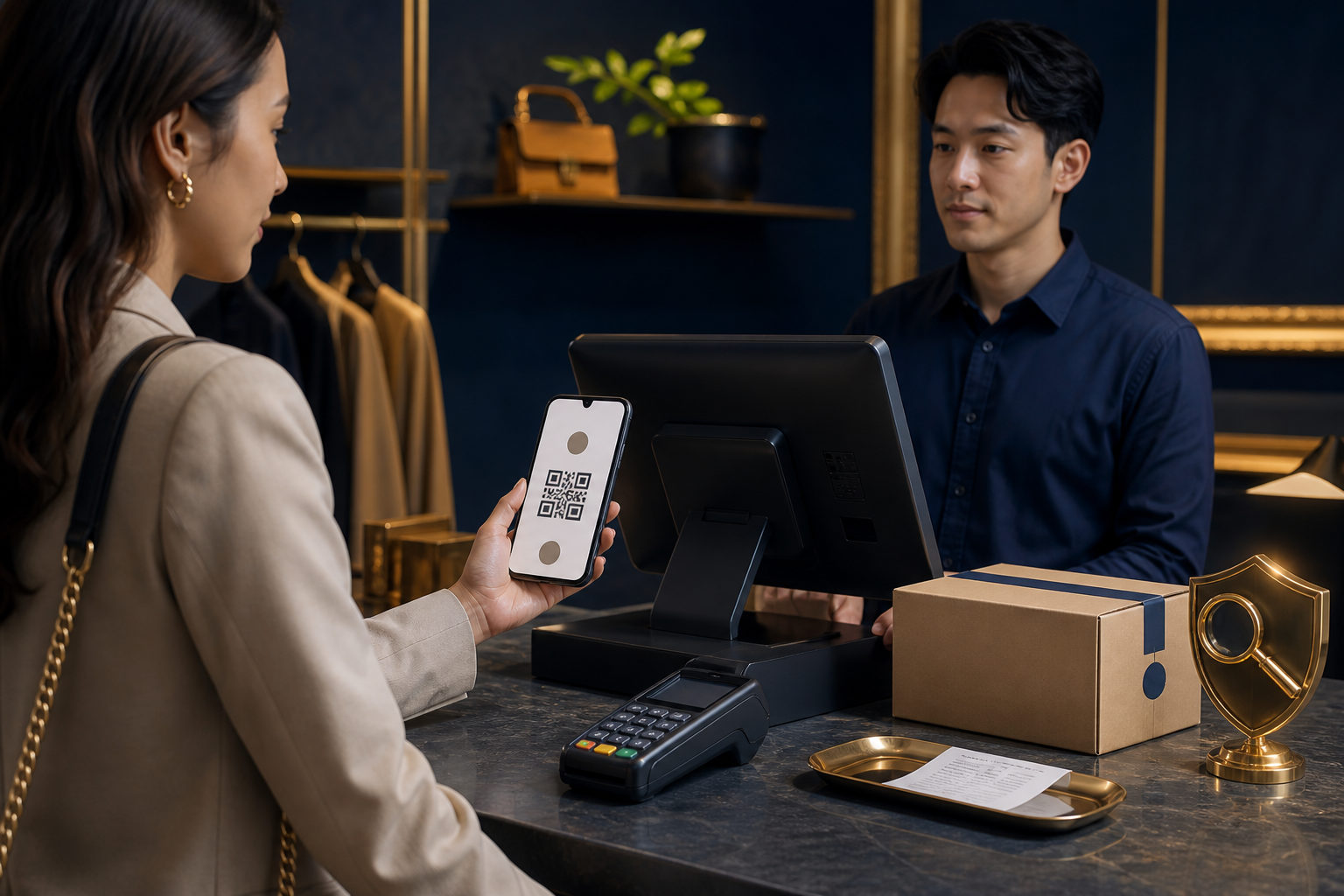
What companies accept bitcoin? There is no fixed list you can trust for long. The practical answer is to verify checkout support yourself, confirm how payment and refunds work, and test carefully before sending BTC.
Start with the checkout page, not a promotional claim
People often search for what companies accept bitcoin because they want a quick list of places to spend BTC. The problem is simple: payment options change. A merchant may accept bitcoin for some products, in some regions, or only through a temporary payment processor, and that can change without much warning.
That is why a static directory is less useful than a repeatable process. If you know how to inspect the payment page, read the rules around settlement, and spot scam signals, you can evaluate almost any merchant on your own. That skill stays useful even when individual store policies change.
When you check a merchant, ignore broad marketing language at first. Go straight to the cart and checkout flow. A homepage banner may mention crypto payments, but the final payment screen is where the real answer appears.
Step 1: Confirm that bitcoin is actually available at checkout
What to do
Add the product or service to your cart and move through the purchase flow until you reach the payment section. Look for a clear mention of Bitcoin or BTC. If the page only says “crypto” or “digital asset payment,” keep reading until you know whether bitcoin is included.
Check the help center, payment FAQ, terms of sale, and refund policy as well. In many cases, the payment method is described in more detail there than on the product page. If the merchant has region-specific support pages, review those too before you assume the option is open to you.
Why this matters
A company can talk about crypto payments in general while limiting actual bitcoin checkout to a narrow use case. Some merchants allow it only for gift cards, selected subscriptions, or a small set of products. Others only show the option to accounts in certain countries.
There is also a difference between public messaging and live checkout behavior. Search results, old blog posts, and social media screenshots can linger long after a payment option has been changed or removed. The checkout page is the strongest signal because it reflects the purchase you are trying to make.
What to watch
- Do not rely on screenshots. They may be old or manipulated.
- Do not trust search snippets alone. Search engines often surface outdated text.
- Treat the final payment screen as the source of truth. If bitcoin is not there, assume it is not available for that order.
Step 2: Learn whether the merchant accepts bitcoin directly or through a payment processor
What to do
Once you see bitcoin support, identify the payment model. In one model, the merchant gives you a BTC address or QR code directly. In another, you are sent to a processor that creates a payment window, quotes an amount, and sets a time limit for payment.
Read the surrounding language carefully. Terms such as settlement currency, exchange rate lock, invoice expiration, or payment processing can tell you whether the merchant is keeping bitcoin or converting it during checkout. That detail shapes what happens if the transaction fails, arrives late, or needs manual review.
Why this matters
“Accepts bitcoin” sounds straightforward, but the back-end flow affects your risk. If a processor sits in the middle, the order may expire after a short period. If you underpay, overpay, or send funds after the timer ends, support may need to intervene before the order is resolved.
This also affects how durable the payment option is. A merchant might not be set up to handle bitcoin directly at all. It may simply use a third-party tool. If that tool changes its regional support or if the merchant disables it, the option can disappear even though older pages still suggest that bitcoin is accepted.
What to watch
- Check for an invoice timer. Some payment windows are only valid briefly.
- Read the network instructions carefully. Do not guess based on a logo alone.
- Pause if the instructions are vague. Unclear payment details are a reason to stop, not to improvise.
Step 3: Check product scope, regional limits, and refund rules before you pay
What to do
Before sending BTC, identify what you are buying: a physical item, digital goods, a subscription, or a voucher. Then review the merchant’s shipping area, account eligibility rules, cancellation terms, and refund policy. Pay close attention to any section that explains how crypto-paid orders are handled.
If the policy is unclear, contact support through official channels and ask direct questions. Ask whether bitcoin is accepted for your specific product, whether your region is eligible, and how a refund is issued if the order is canceled or returned. Keep a copy of the response in case a dispute comes up later.
Why this matters
Different products lead to different support outcomes. Physical goods can run into stock problems, delivery failures, or returns. Digital goods may be treated as final once delivered. Subscription services can raise separate questions around renewal, account access, and cancellation timing.
Regional restrictions matter just as much. A merchant may support bitcoin in one market but not another. You might see someone else complete a purchase with BTC while your account never shows the option. That does not mean your account is broken; it may just mean your order does not qualify.
What to watch
- A refund may not come back in bitcoin. Some merchants use store credit or another form of compensation.
- Digital items require extra caution. Once delivered, disputes may be harder to resolve.
- Subscription terms need close reading. Renewal and cancellation rules may differ from the initial payment flow.
Step 4: Run a safety check before payment and consider a small test first
What to do
Use a trusted device and a secure connection when you reach the payment stage. Verify the merchant name, order details, amount due, destination address or QR code, and any payment deadline. If the order allows it and the situation feels unfamiliar, a small test payment can reduce risk before you commit more funds.
After paying, save the transaction record, order number, screenshots of the payment instructions, and any support messages. If the system does not mark the order as paid or if there is a delay in confirmation, those records become your evidence.
Why this matters
Bitcoin transfers do not work like card payments. If you send funds to the wrong address, use the wrong instructions, or get tricked by a fake payment page, recovery can be very limited. A short review before payment often does more for your safety than any support request after the fact.
A small test is useful for another reason: it checks whether the wallet, payment page, and order details all match your expectations. For someone making a first bitcoin purchase with a merchant, that extra step can prevent a larger mistake.
What to watch
- Do not copy an address from chat messages if the order page shows a different one. Use the live checkout information.
- Check the beginning and end of the address after pasting. Clipboard hijacking is a real risk.
- Be skeptical of countdown pressure. Urgency is exactly when people skip verification.
Step 5: Put scam prevention ahead of payment convenience
What to do
If a seller says it accepts bitcoin, verify the website address, the customer support path, and the order tracking method before you pay. Make sure the order is tied to a normal checkout flow and an account or reference number you can revisit later.
If someone asks you to skip the official cart and send BTC directly by message, treat that as a major warning sign. The same applies to “special support agents” in search results, comment sections, forums, or social media who offer to help you pay outside the merchant’s normal process.
Why this matters
Scammers like bitcoin because the transfer is hard to reverse. They do not need a perfect fake website to succeed. They just need enough pressure, confusion, or urgency to make you abandon verification. That is why a bitcoin payment option should never be treated as proof that a business is trustworthy.
Payment method and merchant credibility are different questions. A company may support bitcoin and still have poor support practices. A scammer can also pretend to support bitcoin with a convincing checkout screen. The real test is whether the business identity, rules, and order process can be verified.
What to watch
- Fake support accounts are common. Find support from the official site, not from replies or comments.
- Off-site payment pages deserve extra scrutiny. Recheck the domain before sending anything.
- Unusual cashback or private discounts are danger signals. If the offer pushes you to bypass normal checkout, stop.
A simple checklist to answer what companies accept bitcoin
If you want a reliable way to answer what companies accept bitcoin, use the same checklist every time instead of chasing lists online. This approach is slower at first, but much safer and more accurate over time.
- Does the live checkout page clearly list Bitcoin or BTC?
- Does the merchant explain which products or services qualify?
- Are there regional or account restrictions?
- Is there a payment deadline or invoice expiration rule?
- Are cancellation, refund, and failed payment procedures explained?
- Can you track the order from the official site or app?
- Are you being asked to leave the normal checkout flow and pay by direct message?
The more complete the first six answers are, the easier it is to proceed with confidence. If the seventh happens at all, your risk goes up fast. In practice, that single checklist is more useful than most “bitcoin accepting companies” roundups because it helps you assess the order in front of you, not a claim from the past.
FAQ
How can I tell if a company really takes bitcoin?
The best place to check is the live checkout page. Homepages and articles can point you in the right direction, but the payment screen tells you whether bitcoin is available for your actual order.
Does “accepts crypto” always mean the merchant accepts bitcoin?
No. Some merchants only support selected assets or only enable crypto payments through a narrow checkout path. Look for a direct mention of Bitcoin or BTC before you assume it is available.
Can I get a refund after paying with bitcoin?
That depends on the merchant’s policy, not on bitcoin alone. You need to review whether refunds go back in bitcoin, in store credit, or through another method before you pay.
Why can someone else use bitcoin at the same store while I cannot?
The payment option may vary by region, product type, account status, or processor availability. Check your order details first, then ask official support whether bitcoin is enabled for your specific purchase.
What is the most common mistake when paying a merchant with BTC?
Common problems include using the wrong payment instructions, copying a bad address, paying after an invoice expires, or following a fake support account off the official site. Most of these can be reduced by slowing down and verifying every step.
What is the fastest safe way to find companies that accept bitcoin?
The fastest safe way is to pick a merchant you already want to use and inspect its checkout flow directly. Confirm the payment option, refund policy, and support path, then consider a small test before sending a larger amount.
Before you make any real purchase, do one final check: verify the website, the order details, the payment instructions, and the refund terms together. With bitcoin payments, a careful pause before sending is usually more valuable than speed.