
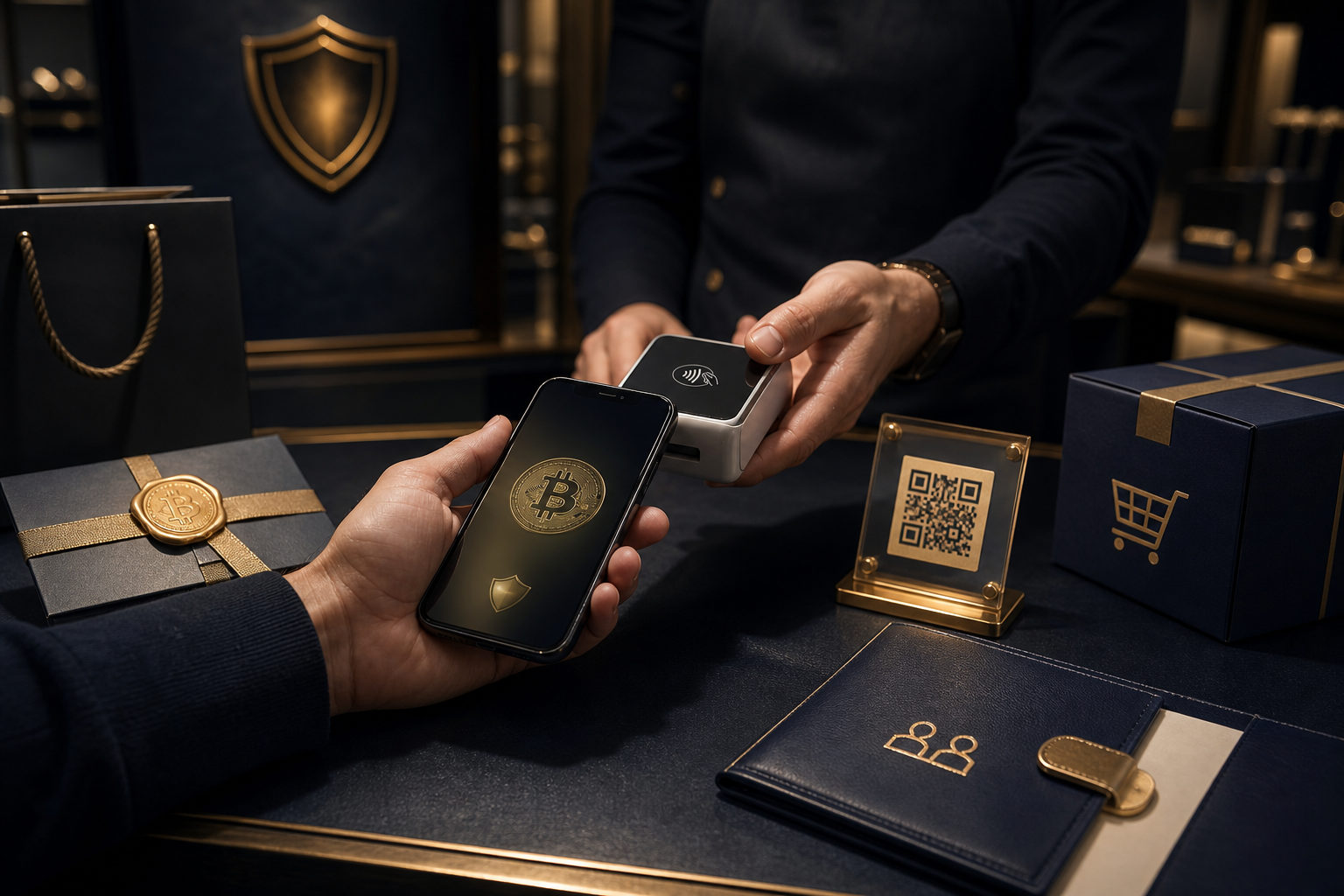
You can pay with bitcoins at some online merchants, certain in-person businesses, gift card services, and in peer-to-peer transactions. The real question is not just where can I pay with bitcoins, but when using bitcoin makes sense and how to avoid sending funds into a bad transaction.
Where bitcoin payments usually work
People searching for where can I pay with bitcoins often expect a long list of stores. A list is less useful than a framework, because merchant support changes, checkout methods differ, and a business that says it accepts bitcoin may still route payments through a third-party processor or support it only for limited products.
In practice, bitcoin payments usually show up in a few categories. One is direct merchant acceptance, where the checkout page presents BTC as a payment option and gives you a payment address or QR code. Another is a payment processor flow, where you pay in bitcoin but the merchant may receive a converted settlement through an intermediary. A third route is gift cards, where you spend bitcoin to buy a code and then use that code at a wider retail brand. The last common route is peer-to-peer payment, such as paying a freelancer, settling with a seller, or sending funds to someone you already know.
These paths are not equal. Direct merchant acceptance can be simple, but refund handling may be awkward. Processor-based checkout may look polished, though timing and matching rules can be strict. Gift cards can expand where you can spend bitcoin, yet they often come with restrictions and fraud risk. Peer-to-peer payment gives flexibility, but if anything goes wrong, there may be no support layer at all.
A step-by-step way to pay safely
Step 1: Confirm that the seller actually accepts bitcoin in the checkout flow
The first action is practical: go all the way to the payment page. Do not rely on a home page badge, a social media post, or a casual message saying crypto is accepted. Look for a real BTC option, a clear order reference, a payment window, and a displayed address or QR code tied to the order.
The reason is simple. Some businesses advertise bitcoin support before the system is fully active. Others only accept it through a specific invoice flow. If you send funds before the order is properly created, you may end up with a blockchain transaction that cannot be matched to any valid purchase.
The key caution here is to avoid off-platform redirects. If a supposed support agent asks you to ignore the checkout page and send BTC to a new address in chat, stop there. A payment address should come from the official order process, not from a direct message.
Step 2: Check the network and the address before you send anything
When people make mistakes with bitcoin payments, they usually do not fail because the concept is hard. They fail because they rush. Before sending, confirm the merchant's payment instructions, review the address carefully, and make sure your wallet is using the correct payment method for that invoice. Copy and paste the address when possible, then compare the beginning and end of the string before approving the transfer.
This matters because bitcoin payments are operationally unforgiving. A single address error can redirect funds permanently. A wrong assumption about the payment setup can leave you with an order that is unpaid from the merchant's side even though you already sent funds from your wallet.
You should also think about fees at this point. Bitcoin transactions on the main chain require network fees, and those fees can affect whether a small purchase is worth making in BTC at all. For some payments, bitcoin is a good fit. For others, the cost and confirmation process may make another method more practical.
Step 3: Use a small test payment when the amount or seller risk is meaningful
If you are paying a merchant for the first time, or if the amount matters to you, a small test payment can reduce the chance of a bigger mistake. After a successful test, you can complete the remaining amount if the seller allows split payments and the order rules support it.
The reason for this step is that bitcoin payments are generally not reversible in the way many card users expect. You should not assume there will be a dispute process that rescues a rushed transfer. A test payment gives you a low-risk way to confirm that the address, invoice, and communication channel are all valid.
There is one caution. Not every merchant accepts two separate transfers for one order. Some systems only recognize one exact payment within a limited time window. Check that policy first instead of assuming the order page will sort it out later.
Step 4: Save proof and verify the order status right away
After payment, do not stop at the wallet confirmation screen. Go back to the merchant page and check whether the order status changes to paid, processing, or awaiting confirmation. Save the order number, transaction hash, receiving address, payment time, and screenshots of the invoice page.
This step matters because a valid blockchain broadcast does not always mean the merchant system has matched your payment correctly. The order may have expired, the amount may differ from what the invoice expected, or the back-end may need extra time to update.
A separate warning belongs here: no legitimate merchant needs your seed phrase or private key to verify a bitcoin payment. If anyone claiming to help with an order asks for wallet recovery words, login codes, screen sharing, or remote device access, treat that as a scam attempt.
Common places and methods to spend bitcoin
Direct merchant checkout
This is the clearest option. You choose bitcoin at checkout, the site creates an invoice, and you pay the exact amount to the listed address. It works best for users who already understand basic wallet actions and can verify details without guessing.
The advantage is clarity. The tradeoff is after-sales handling. If a refund is approved, the merchant may ask you for a separate address and may process it under different timing or fee rules than the original purchase.
Payment processors
Some merchants use an outside service to manage crypto invoices and settlement. From your side, you still pay in BTC, but the invoice logic, exchange lock period, and payment matching may be handled by a third party.
This can make checkout cleaner, but it also means you need to read the invoice page closely. Time limits, exact payment requirements, and automatic cancellation rules matter more than many buyers expect.
Gift cards
Gift cards are a common workaround when direct bitcoin acceptance is limited. The process is straightforward: spend BTC on a card code, then redeem that code with a separate merchant that may not accept bitcoin directly.
This route can be useful, though it carries specific risks. Gift cards may be region-specific, nonrefundable, limited to certain product categories, or vulnerable to fraud if bought from a questionable seller. A card that looks unusually cheap is not a bargain by default; it can be a trap.
Peer-to-peer payments
Bitcoin is also used for paying individuals. This can include freelance work, informal sales, reimbursement, or direct settlement between two people who agree to use BTC.
The strength of this method is flexibility. The weakness is the lack of a built-in safety buffer. Before paying, confirm the receiving address through a second trusted channel if possible. If the payee changes the address at the last minute, that alone is enough reason to pause and verify everything again.
Scam prevention matters more than store discovery
Many users focus on where can you pay with bitcoins and ignore a harder question: should this seller be paid in bitcoin at all? Because blockchain transfers are hard to reverse, dishonest sellers and fake support accounts often prefer crypto payments. That does not make bitcoin unsafe by itself, but it does raise the cost of careless behavior.
- Be suspicious of address changes. If the seller sends a different payment address outside the normal checkout flow, do not continue until you verify it through an official source.
- Do not rely on verbal promises. Fast replies and friendly chat do not replace a clear order page, refund policy, or support process.
- Watch for pressure tactics. A countdown can be part of a real invoice, but emotional pressure such as “send now or lose the deal” is a classic fraud pattern.
- Ignore fake support contacts. Search ads, comment-section helpers, and direct-message “agents” are common impersonation channels.
- Never share wallet recovery data. No payment issue requires your seed phrase, private key, or remote access to your device.
Another useful rule is to judge the transaction before the payment method. A seller does not become trustworthy just because they accept bitcoin. Product quality, communication clarity, business identity, and order transparency still matter first.
When bitcoin may not be the best payment choice
Bitcoin is not ideal for every purchase. If the item is likely to need returns, order edits, subscription changes, or extended support, a conventional payment method may be easier to manage. The issue is not that BTC cannot be used. The issue is that once funds are sent, dispute handling usually depends on the seller's policy rather than the payment rail.
It may also be a poor fit if you are new to wallets and have not yet built the habit of checking addresses, invoice details, and transaction status. Learning under time pressure is when many avoidable mistakes happen. A small practice transfer to a wallet you control can be a better first step than using a real merchant invoice immediately.
You should also keep your own records. Depending on where you live, spending bitcoin can have accounting, reporting, or tax implications. A successful transfer does not remove the need to document what the payment was for and when it happened.
A practical checklist before you pay
- Make sure the merchant presents bitcoin payment inside the official checkout process.
- Verify the product, order number, receiving address, network instructions, and payment deadline.
- If possible, use a small test payment first.
- Save the transaction hash, screenshots, and invoice details as soon as you pay.
- Check whether the order status updates on the merchant side.
- Reject any request for your seed phrase, private key, verification code, or remote access.
This checklist is basic on purpose. Most bitcoin payment problems are not advanced technical failures. They come from skipping verification because the buyer wants to finish quickly.
FAQ
What kinds of businesses are most likely to accept bitcoin?
You are more likely to see bitcoin at some online merchants, digital service sellers, gift card services, and in direct person-to-person transactions. The only reliable proof is the actual checkout flow, not a marketing claim alone.
Is paying in bitcoin always more convenient than using a card?
No. It can be direct when the invoice is clear and you already know how to use your wallet. For returns, changes, or support issues, traditional payment methods can be easier to manage.
Can a bitcoin payment be canceled after I send it?
You should generally assume no. That is why address checks, order verification, and seller validation need to happen before you approve the transfer.
How can I reduce risk when paying a new seller?
Start by checking the official payment flow, the refund terms, and the support channel. If the amount matters and the order rules allow it, a small test payment can help confirm that the setup is legitimate.
Does “bitcoin only” mean a seller is unsafe?
Not automatically, but it does call for closer review. What matters is whether the transaction is transparent, the payment instructions are consistent, and you can verify the receiving details independently.
Before you send anything, look one more time at the receiving address, the invoice rules, the payment deadline, and the records you will keep. If any part is unclear, pause first and pay later.
Disclaimer: This article is for informational and educational purposes only and is not investment, financial, or legal advice. Crypto assets are highly volatile and you could lose your entire investment. Do your own research and decide carefully.