
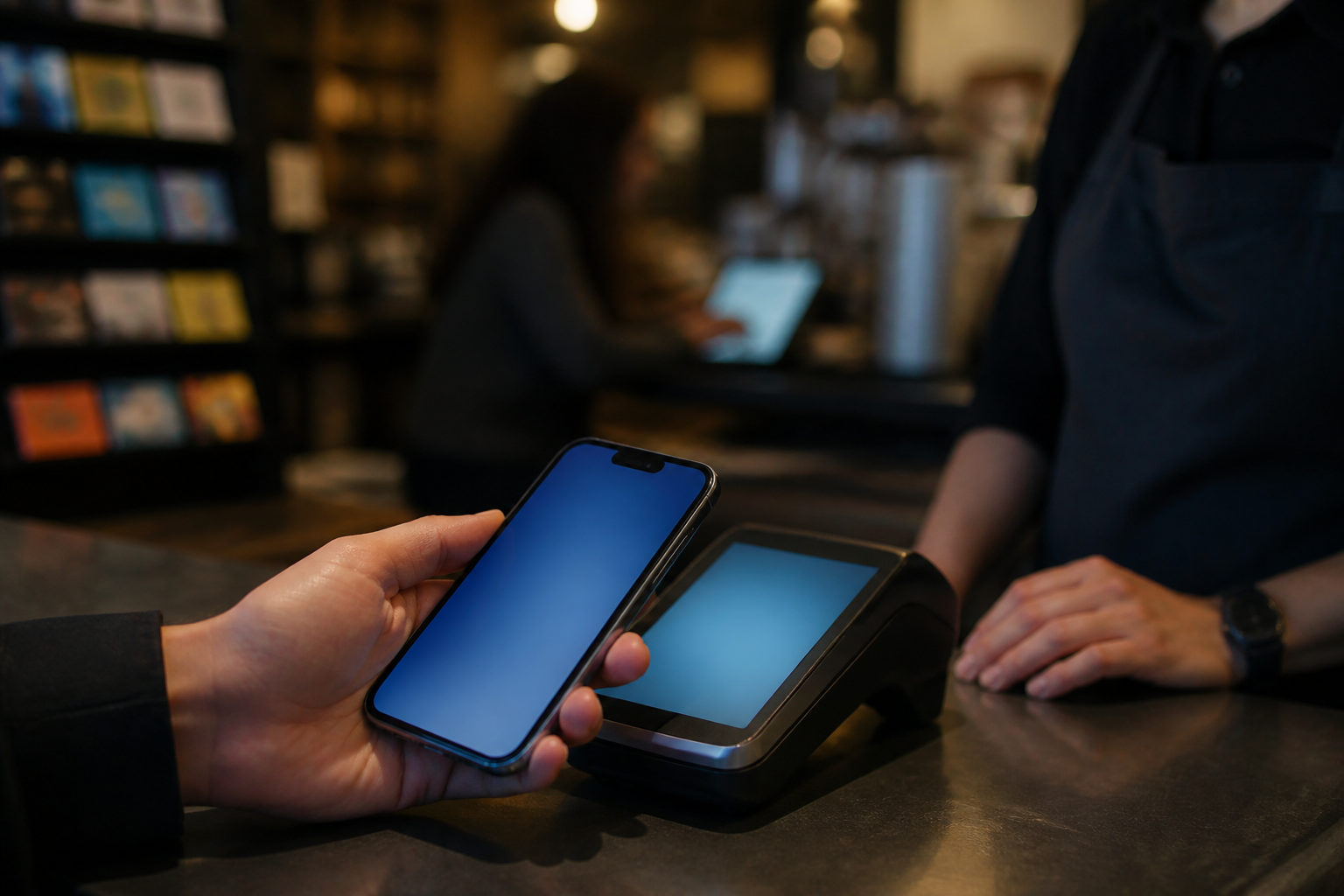
You can use bitcoin in the USA, but usually in specific channels rather than everywhere at checkout. The most practical routes are gift cards, merchants that directly accept BTC, some bill-pay services, and person-to-person payments. The safe way to do it is to verify the payment method first, then test with a small amount.
Where bitcoin is commonly used in the USA
There is no single nationwide bitcoin checkout system used by all American stores. In practice, one merchant may accept on-chain BTC, another may use a processor behind the scenes, and a third may only be reachable through a gift card purchased with bitcoin. That is why the question is less about a universal map and more about the payment path in front of you.
For everyday users, the useful distinction is this: direct merchant acceptance, indirect spending through gift cards, bill settlement through a service, and direct transfers to another person. Each route works, but each one changes the risk profile, refund options, and what you need to verify before sending funds.
| Use case | How it works | Why people use it | Main caution |
|---|---|---|---|
| Gift card spending | Buy a merchant gift card with bitcoin, then spend the card | Broad retail coverage | Gift cards are often final and may have restrictions |
| Direct BTC checkout | Merchant shows a payment request or address and you pay from a wallet | Simple flow when supported | Confirm whether it is on-chain BTC or Lightning |
| Bill payment services | Use a service that takes bitcoin and handles the bill | Can extend usage beyond retail shopping | Check fees, timing, and what bills are supported |
| Peer-to-peer transfers | Send bitcoin directly to another person | Useful for splitting costs or paying someone you know | Wrong-address risk is hard to reverse |
| Online digital goods or services | Pay on a site that supports crypto checkout | Fast ordering and clear records | Read the refund policy before paying |
How to check whether a US merchant really accepts bitcoin
Step 1: Look for formal payment instructions
Start with the merchant’s checkout page, payment icons, FAQ, or the signs shown at a physical register. If the wording only says “crypto accepted,” do not stop there. You still need to confirm that BTC is included and see how the merchant expects payment to be made.
This matters because “accepts bitcoin” can describe very different systems. One seller may generate a fresh BTC payment address. Another may use a processor that converts the payment into something the merchant can settle more easily. That difference affects timing, confirmation rules, and how any dispute is handled.
Be careful with old screenshots on social media or forum posts. A merchant may have accepted bitcoin before and later removed it, or may support it only in one sales channel but not another.
Step 2: Match the merchant’s network with your wallet
Next, find out whether the merchant wants a normal on-chain bitcoin transaction or a Lightning payment. Then open your wallet and check whether it supports that exact method, whether it can read the payment request correctly, and what confirmation screen it shows before you send.
The reason is simple: “scan and pay” can mean different things underneath. If the merchant expects Lightning and your wallet only sends on-chain BTC, you may fail at checkout. The reverse mismatch creates the same problem.
Do not wait until you are standing at a register to learn how your wallet works. A few minutes of preparation at home is much safer than pressing through an unfamiliar screen while someone is waiting behind you.
Step 3: Send a small test payment first
If the merchant allows it, start with a small test transaction. Confirm that the merchant’s system recognizes it, your wallet shows the outgoing payment properly, and the order page updates as expected. Only then move to the full amount.
This step reduces avoidable losses. Bitcoin payments are generally not as easy to reverse as a card transaction. A small test can catch a copied address error, a network mismatch, or a problem with the merchant’s payment page before the main payment is at risk.
After the test, do not assume everything is done. Check that the order status actually reflects payment, especially for online merchants with automated systems.
Step 4: Verify the unit, especially BTC versus sats
Do not focus only on the number shown on screen. Focus on the unit. The smallest unit of bitcoin is 1 satoshi, equal to 0.00000001 BTC. Some interfaces display BTC, some display sats, and some show both with a dollar estimate.
This is a common source of expensive mistakes. A user may see a large sat amount and misread it as BTC, or miss a decimal place on the BTC side. The fix is straightforward: pause before sending and read the unit line carefully.
That extra moment is often the difference between a normal purchase and a payment problem that cannot be fixed by customer support.
Step 5: Save the order details and transaction record
After payment, keep the order number, transaction hash, payment time, and a screenshot of the merchant’s payment instructions. In a physical store, a receipt or written confirmation also helps.
You need this because a disagreement often starts with a simple claim: “We did not receive it,” or “The system did not update.” Since bitcoin transactions are visible on the public ledger, the strongest position is to pair the blockchain record with the merchant’s order record.
When saving screenshots, avoid exposing your full wallet balance or unrelated account information. Good records help; oversharing creates a new risk.
Which spending method should you try first?
If your goal is simply to use bitcoin in the USA without unnecessary friction, choose methods with clear rules and easy record-keeping. Gift cards and direct checkout on established online stores are often easier to understand than ad hoc arrangements with strangers.
| Method | Best for | What makes it useful | Main risk |
|---|---|---|---|
| Gift cards | People who want broader spending reach | Lets bitcoin connect to familiar retail spending | Wrong card, usage limits, little recourse after purchase |
| Direct online checkout | Digital goods and online services | Usually clear order records and payment flow | Refund terms may be strict or merchant-specific |
| Physical merchant QR payment | Users already comfortable with wallets | Straightforward at the counter when staff know the process | Confusion if staff are unfamiliar or the system is slow |
| Bill-pay route | Users trying to cover more kinds of expenses | Can extend utility beyond shopping | Fees, timing, and eligible bills vary |
| Peer-to-peer with strangers | Experienced users only | Flexible | Highest scam and dispute risk |
Peer-to-peer deals with unfamiliar people deserve the most caution. A scammer may send a fake payment confirmation, switch the receiving address at the last minute, or pressure you to complete the transaction outside the original process. If a counterparty refuses traceable steps and keeps pushing urgency, stop there.
Common mistakes and scam signals when spending bitcoin in the USA
Assuming “crypto accepted” means every coin and every network
Some merchants use broad wording while supporting only a narrow set of payment methods. You should confirm BTC specifically, then confirm the network. A generic crypto label is not enough.
Checking the QR code but not the payment details
Clipboard hijacking, fake payment pages, and malicious browser tools can all change where money is sent. Even with a QR code, read the merchant name, amount, and payment type before approval.
Treating bitcoin like a credit card payment
Card users often assume they can pay first and sort it out later through a dispute process. Bitcoin does not work that way in many real-world situations. Prevention matters more than after-the-fact recovery.
Ignoring how the merchant defines “paid”
Some sellers accept a payment once it has been broadcast. Others wait for their system to update or for an additional confirmation step. If you do not know the merchant’s rule, a normal payment can still turn into an argument at checkout.
Using public networks or unfamiliar devices for a meaningful payment
A rushed payment on public Wi-Fi or on a borrowed device adds risk for no good reason. If a payment matters, use a device you trust and a wallet you already know how to operate.
FAQ
Can I use bitcoin at most stores in the USA?
No. Bitcoin use in the USA is still merchant-specific. Some stores and websites support it, but coverage is uneven, so you should verify each transaction before you try to pay.
What is the easiest way to spend bitcoin on ordinary purchases?
For many people, the most practical route is using bitcoin to buy gift cards for brands they already shop with. It is easier to fit into normal spending habits, and the checkout process is often more predictable.
What should I do if a merchant says my bitcoin payment never arrived?
First compare the receiving address, transaction status, and order number. Then send the transaction hash and payment time to the merchant so the payment can be matched against the order.
Should I use Lightning or a normal bitcoin transaction?
Use the method the merchant actually supports. Your own preference does not matter if the merchant’s checkout is built for the other network, so matching the payment rail comes first.
Why do people suggest a separate wallet for spending?
A spending wallet limits how much is exposed during everyday transactions. If your device is lost, a payment page is suspicious, or you make a mistake, the impact is contained to the funds set aside for spending.
Use this final check before you pay
Confirm that the merchant supports BTC, confirm the correct network, test with a small amount, verify whether the screen is showing BTC or sats, and keep the order and transaction record. If anyone pressures you to rush, changes the payment address mid-process, or avoids giving formal payment instructions, do not send the bitcoin.
Disclaimer: This article is for informational and educational purposes only and is not investment, financial, or legal advice. Crypto assets are highly volatile and you could lose your entire investment. Do your own research and decide carefully.