
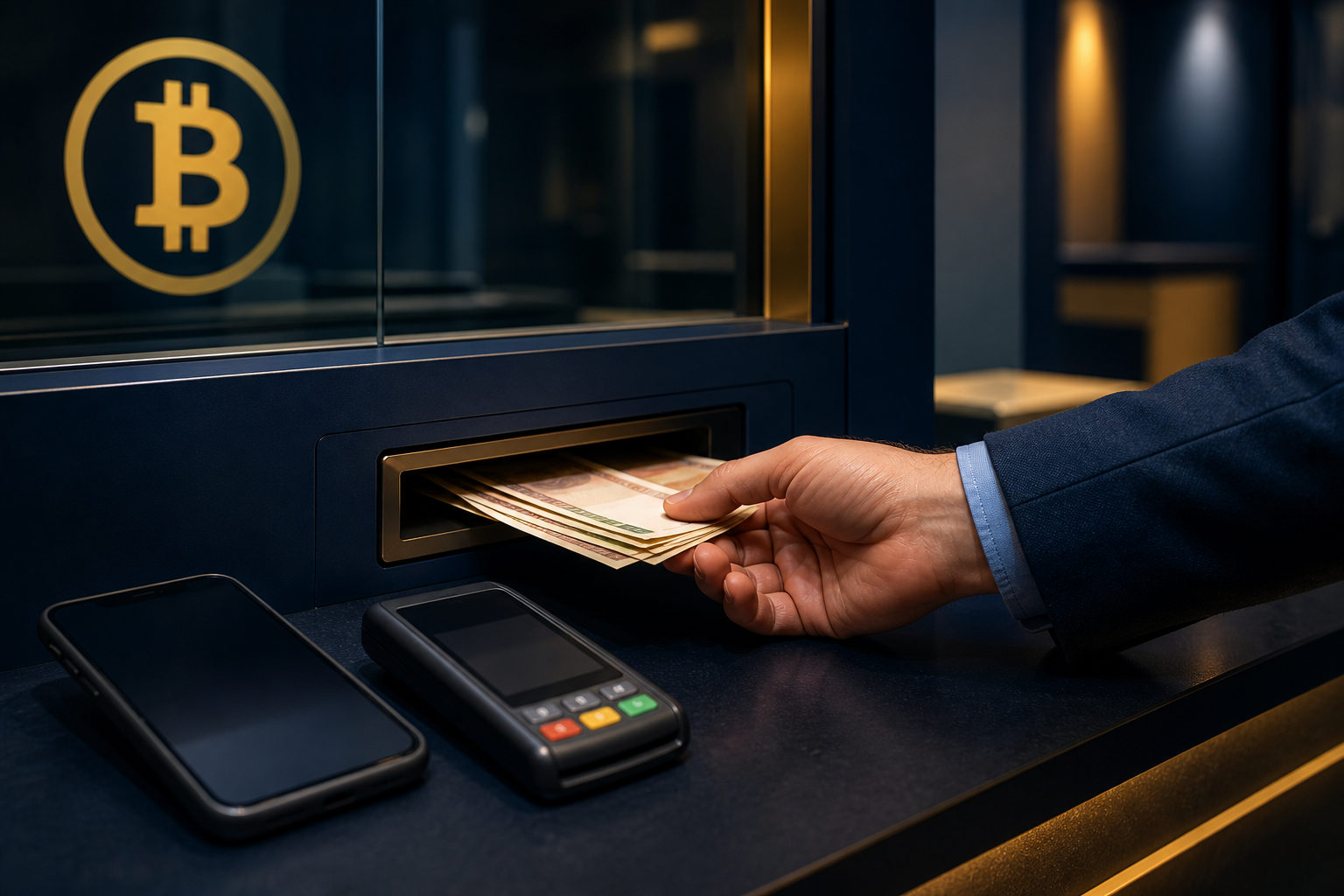
Where to cash out bitcoins depends on how you want to receive money, how much verification you can tolerate, and how much counterparty risk you are willing to take. For most people, the real options are exchange sales, peer-to-peer trades, and OTC-style services.
The main ways to cash out bitcoin
The most familiar route is an exchange that lets you sell bitcoin and withdraw fiat to a bank account. That setup feels straightforward because trading, balance management, and withdrawal all sit in one place. Even so, the easy-looking part is often the sale screen; the harder part can be identity checks, withdrawal review, or account limits that only become obvious once you try to move money out.
Peer-to-peer trading works differently. You sell directly to another person, while the platform, if there is one, usually handles order matching, escrow, and disputes. That opens up more payment flexibility, but it also shifts more judgment onto you. A buyer saying payment was sent is not the same as cleared funds in your account.
Then there are OTC desks and offline brokerage-style arrangements, usually used by people with larger orders or those who want a more guided process. The appeal here is not some magical shortcut. It is customized handling. That can help, though it also means you need to understand settlement terms before moving any coins.
How to choose between those channels
If you want a familiar workflow, an exchange is usually the easiest starting point. What matters most is not the headline marketing. Look at whether selling liquidity seems adequate, whether fiat withdrawals are clearly supported, and whether the provider explains its review process in plain terms. A sale that fills quickly can still turn into a frustrating experience if the payout side is clunky.
Peer-to-peer markets suit people who want more payment options and do not mind checking details carefully. That trade-off is real. You may get flexibility, but you also need to verify the payer name, confirm that money has actually arrived, and refuse any pressure to release bitcoin early. Fraud often shows up as urgency, not technical complexity.
OTC services fit a narrower use case. Someone moving a larger amount may care more about slippage, structured settlement, or direct human support than a standard retail interface. Fair enough. Still, a polished conversation is not protection by itself; the process for custody, release, and dispute handling has to be clear before the transaction starts.
What to check before you sell
Start with the wallet side. Know where your bitcoin is held, whether you control the keys, and which network the receiving service expects. Sending on the wrong network can create a messy recovery process, and sometimes there is no practical fix.
Fees deserve a full look, not a quick glance. One venue may have lower trading fees but stricter withdrawal terms. Another may advertise a better quote while giving some of that advantage back through spread, banking friction, or extra conversion costs. The number that matters is the amount that actually lands in your bank account.
Your payout setup matters too. Use an account in your own name where possible, and make sure the details are ready before you place the order. People often focus on selling first and paperwork later. That order can backfire when a provider or bank asks questions after the trade is already done.
Save records as you go: order details, chat logs, proof of payment, and the on-chain transaction hash. It sounds tedious. It is also what gives you something concrete if a dispute appears or a payment provider wants an explanation of the funds flow.
Risk points people miss
The biggest problems are often ordinary mistakes, not exotic hacks. Releasing bitcoin because a screenshot looks convincing, moving a conversation off-platform, or accepting a payment from a name that does not match the order can all create trouble fast. Once that happens, explanations tend to arrive too late.
Banking review is another piece people underestimate. When bitcoin is sold and turned into fiat, the money enters a system with its own checks. A bank or payment company may ask where the funds came from or why they arrived in a certain pattern. Clean records make those conversations easier.
Privacy, convenience, and control rarely line up perfectly. A more regulated route usually asks for more documentation. A looser route may feel faster, but the transaction itself can become less predictable. There is no single best answer for everyone, which is why the payout method should match your priorities rather than someone else’s favorite setup.
FAQ
Where can I sell my bitcoins for cash?
You can usually do it through a crypto exchange with fiat withdrawals, a peer-to-peer marketplace, or an OTC service. The right choice depends less on popularity and more on payout support, verification rules, and how much risk you want to manage yourself.
Where can I sell my bitcoin for cash if I want a bank transfer?
An exchange is often the simplest route if bank withdrawal is your goal, because the sale and payout process may sit in one account flow. Before selling, check that fiat withdrawal is available for your account type and that the bank details match your identity.
Where can you sell bitcoin for cash with fewer complications?
For many users, a structured platform with clear rules is easier to handle than a direct person-to-person sale. Fewer complications does not mean zero review, though; it usually means the steps are defined and dispute handling is easier to understand.
Where to sell my bitcoins for cash if I care most about speed?
Speed depends on more than matching a buyer. The sale might happen quickly while withdrawal takes longer, so the fastest-looking route on the trade screen is not always the fastest path to money in your bank account.
Can I cash out bitcoin without moving it to an exchange first?
Sometimes yes, especially with peer-to-peer or OTC arrangements. But every route still requires careful checks on addresses, network selection, settlement terms, and payout verification before you send anything.
If you are doing this for the first time, run a small test through the full path before using a larger amount: transfer, sell, confirm payment, then review the withdrawal result. That single dry run often reveals more than hours of reading.