
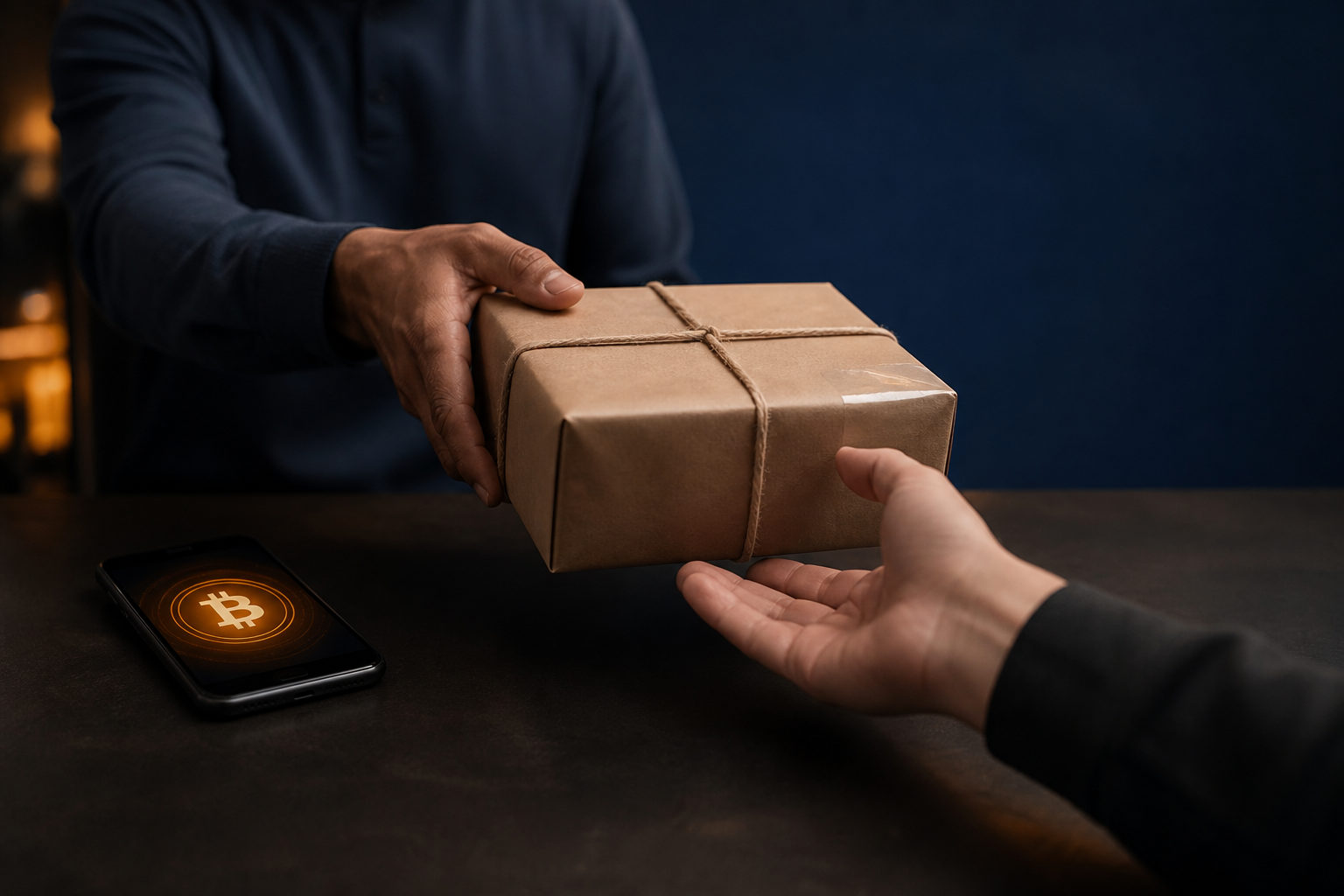
You can sell stuff for bitcoin through peer sales, online classifieds, niche communities, or in-person meetups, but the best option depends on how well you can verify payment, document the deal, and control delivery.
Start with the channel that fits the item
People searching for where to sell stuff for bitcoins often expect a single website. In practice, the answer is broader. The right place depends on what you are selling, how specialized it is, and whether the buyer needs to inspect it before paying.
For common secondhand items, the easiest route is usually a marketplace or community where buyers already look for used goods. You can list the item and make it clear that you accept BTC settlement. That gives you a familiar listing format while still letting you negotiate payment terms directly with the buyer.
For specialized goods such as camera gear, trading cards, computer parts, collectibles, or audio equipment, niche forums and hobby communities can work better. Buyers in those spaces understand specs and condition reports, so the discussion is often sharper and shorter. The tradeoff is simple: product knowledge does not equal payment safety.
In-person sales are another valid route, especially for large or high-value items that are easier to inspect on the spot. This can reduce disputes about condition, but it adds a different set of risks: personal safety, rushed payment checks, and pressure to hand over the item before you are fully satisfied that the bitcoin transfer is real.
| Channel type | Best for | Main benefit | Main risk |
|---|---|---|---|
| Friends or trusted communities | Low to mid-value used items | Faster communication and some trust | Loose verbal terms can create disputes |
| Public classifieds or resale listings | Everyday consumer goods | Wider buyer pool | The site may not handle bitcoin payment disputes |
| Niche forums or collector groups | Specialized or technical items | Buyers understand the product | Community reputation is not payment protection |
| Local meetups | Large, fragile, or expensive goods | Inspection and exchange happen together | Safety and fake confirmation pressure |
Do not judge a channel by traffic alone
A busy marketplace can still be a poor choice if its rules only recognize on-platform payment. If the site does not support off-platform crypto settlement, you may get visibility without any meaningful help if the deal goes wrong. That matters because bitcoin transfers are not handled like card chargebacks or standard wallet disputes on many resale sites.
Before you use any channel, check whether it allows buyers and sellers to discuss bitcoin openly, whether account history helps you evaluate the other side, and whether messages, item descriptions, and shipping details can be preserved as evidence. A listing site is useful only if it supports the full path from first contact to proof of delivery.
Private communities have a different weakness. They feel safer because members know each other or share an interest, but that can lead people to skip basic controls. A buyer who says, “I sent it, check later,” may sound harmless in a familiar group. If you ship before verifying payment in your own wallet, the social setting will not protect you.
Another filter is buyer behavior. Serious buyers ask about condition, accessories, defects, return terms, and delivery method. A buyer who avoids the item details and focuses only on getting your wallet address, changing the plan, or pushing urgency is giving you useful information. You do not need to accept every deal.
| Checkpoint | Good sign | Warning sign |
|---|---|---|
| Platform rules | Clear room to discuss BTC payment terms | Listings get removed for mentioning crypto |
| Dispute trail | Messages and item details remain visible | No usable record if a conflict starts |
| Buyer behavior | Questions about the product itself | Pressure, urgency, and no interest in condition |
| Identity comfort | Stable profile and consistent communication | Frequent account changes or shifting contacts |
How to accept bitcoin without guessing
When you sell a physical item for bitcoin, the payment step has to be under your control. That means you provide a receiving address from a wallet you control, wait for the buyer to send the agreed amount, and confirm the incoming transaction from your side. A screenshot from the buyer is not enough.
Bitcoin has existed since the genesis block on 2009-01-03, and the core logic of settlement is still straightforward: a payment is something you verify in your own wallet or through your own chosen tools, not something you assume because the other side shows a transfer screen. The network targets about 10 minutes per block, so timing expectations should be discussed before the handoff, especially for local meetings.
Bitcoin is divisible down to 1 satoshi, or 0.00000001 BTC. That makes it practical even for smaller items. You do not need a round number in BTC. A cleaner method is to price the item in dollars first, then convert that amount into BTC at an agreed moment using an agreed reference source.
If the item will be shipped, a safer order is usually: agree on the condition and total terms, receive the bitcoin, verify it yourself, then pack and ship while keeping evidence. If the sale is face to face, set the payment standard in advance. Do not let a crowded setting or an impatient buyer force you to lower your checks on the spot.
| Step | What you should do | What to avoid |
|---|---|---|
| Share the receiving address | Copy it from your own wallet and verify it | Typing it manually or reusing old screenshots |
| Wait for payment | Keep the agreed amount and terms in writing | Relying on verbal promises |
| Check the transfer | Use your wallet view as the reference | Trusting only the buyer's screen |
| Release the item | Hand over or ship only after your stated condition is met | Sending first because the buyer seems trustworthy |
Pricing, shipping, and returns need to be defined early
The hardest part of selling goods for bitcoin is often not finding a buyer. It is removing ambiguity. Since the BTC amount changes with the market, the cleanest structure is to set the item price in dollars and then define when the BTC conversion happens. You are selling the item, so the pricing framework should reflect the item first.
That conversion point needs to be explicit. Is it set when the buyer commits, when the buyer pays, or when you confirm receipt? If you leave that open, even a short delay can trigger a dispute about who should absorb the move. Clear terms solve more problems than long message chains after the fact.
Product condition also needs precision. For used goods, say what is included, what is missing, what defects exist, whether repairs were done, and how wear appears in normal use. For technical or collectible items, serial numbers, test footage, and packaging photos are often more persuasive than broad labels such as “excellent condition.”
Shipping terms deserve their own line in the deal. State who pays shipping, what carrier or method will be used, when risk shifts, and what evidence you will keep. If you accept returns, define the situations that qualify and how the refund amount is determined. Bitcoin transfers do not work like ordinary reversible payment rails, so your return policy cannot stay vague.
| Deal element | What to settle before payment | Common dispute point |
|---|---|---|
| Price structure | Dollar price and BTC conversion timing | Each side uses a different time reference |
| Item condition | Defects, accessories, repairs, wear | Buyer says the item was misdescribed |
| Delivery | Shipping or meetup, and transfer of risk | Damage, delay, or handoff confusion |
| Returns | Whether returns are accepted and on what terms | Buyer remorse or disagreement over refund value |
FAQ
What is the easiest place to start if I want to sell an item for bitcoin?
Start with a marketplace or community you already understand. Familiar rules, normal listing formats, and a buyer base that already shops for used goods make it easier to control the deal.
Can I ship the item after the buyer sends me a screenshot of the transfer?
No. You should check the incoming payment from your own wallet view and follow the standard you set before the deal, rather than treating a screenshot as proof of settlement.
Should I list the item in BTC or in dollars?
Listing in dollars is usually cleaner. It separates the value of the item from the payment rail, then lets both sides convert to BTC at an agreed time.
Is a local meetup safer than shipping?
It can reduce disputes about condition because the buyer sees the item in person. It also introduces personal safety concerns and more pressure to make a quick payment decision, so the setting has to be chosen carefully.
Do resale platforms protect me if the buyer pays in bitcoin?
Not always. Some sites are useful for finding buyers but offer little help once payment happens outside their normal system, which is why your written records matter so much.
What should I keep as proof after the sale?
Keep the listing details, message history, photos, packing records, shipping receipt, and any serial number or handoff notes. Those records matter far more than memory if a dispute appears later.
If you want the simplest practical rule, use the channel that gives you clear records, set the dollar price before discussing BTC conversion, verify payment from your side, and release the item only after that standard is met. That approach works better than chasing a single “best” place.
Disclaimer: This article is for informational and educational purposes only and is not investment, financial, or legal advice. Crypto assets are highly volatile and you could lose your entire investment. Do your own research and decide carefully.