
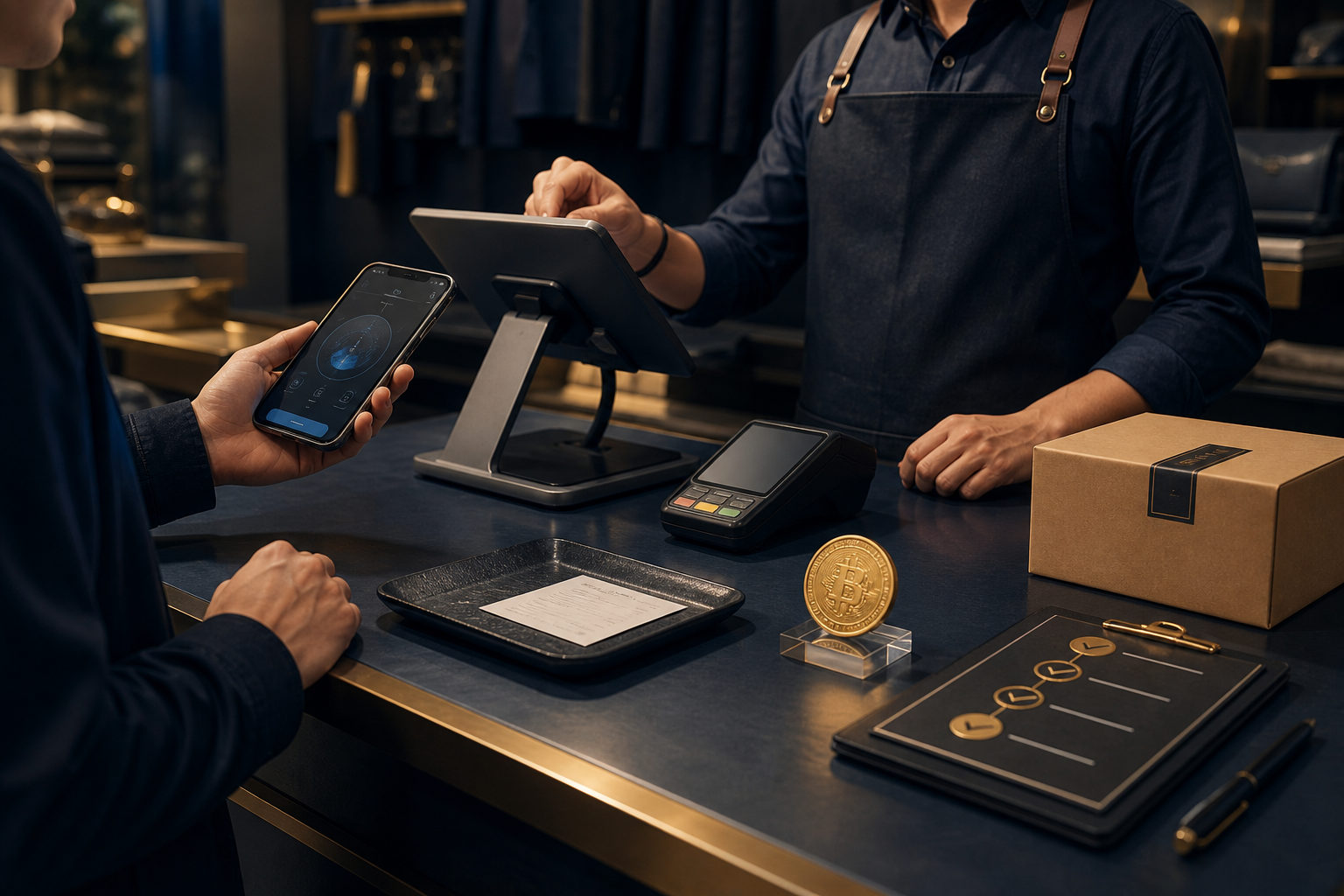
Who accepts Bitcoin SV? In practice, only merchants, individual sellers, or peer-to-peer counterparties that clearly state they accept BSV should be treated as valid payees; a generic “crypto accepted” label is not enough.
Start with the real answer: who is actually likely to accept BSV
When people search for who accepts bitcoin sv, they often assume any crypto-friendly business might take it. That is the wrong starting point. A seller may accept some digital assets while refusing others, and many checkout systems only enable a narrow set of coins.
The more realistic categories are straightforward. First, some online merchants may list Bitcoin SV or BSV directly on the payment screen. Second, some individual sellers, freelancers, or service providers may accept direct wallet payments in BSV. Third, some peer-to-peer deals inside communities, forums, or private groups may allow settlement in BSV.
There is also a gray area that causes many mistakes: a merchant may use a payment processor that supports multiple assets, but the merchant itself may not have enabled BSV. In that case, the business should not be treated as a BSV-accepting merchant, even if its back-end tool could support it in theory.
The practical rule is simple. If BSV is not named clearly, do not assume it is accepted. Similar names, similar tickers, and vague support language create the exact conditions that lead to wrong-asset payments and fraud.
How to confirm step by step whether someone really accepts Bitcoin SV
Step one: check whether the checkout page clearly lists BSV
Your first action should be to inspect the checkout flow, invoice page, payment instructions, and support replies. Look for an explicit mention of Bitcoin SV or BSV. A broad phrase like “we accept crypto” does not answer the question.
The reason is operational, not theoretical. Many merchants rely on third-party payment systems, and the set of accepted assets is determined by configuration. A business may talk loosely on social media, yet its live payment page may only support a few assets at the moment of purchase.
The key caution here is not to rely on old marketing material. A homepage banner, a profile bio, or an old community post may be outdated. The live payment flow matters more than promotional text. If a seller tells you to “just send it over first” while BSV is missing from the actual payment options, stop there.
Step two: verify that the address provided is really meant for BSV
If the seller collects payment manually, you may receive a wallet address, a QR code, or a request through a wallet identity system. Before sending anything, confirm that the payee can clearly state that the address is for Bitcoin SV and that they understand what asset they are receiving.
This matters because many payment errors happen before a dispute even begins. The issue is often not the product. It is the fact that the sender used the wrong asset, the wrong network, or an address the recipient cannot properly process.
There are three useful checks here. Do not assume compatibility because the names look related. Do not treat a screenshot as enough proof; ask for a copyable address or formal payment request. And before you send, ask the recipient to confirm again in plain words that the order is to be paid in BSV, not another asset and not another network version.
Step three: ask about refunds, cancellations, and payment mistakes before you pay
Before placing the order, ask how cancellations are handled, where refunds would be sent, how underpayments are resolved, and what happens if the wrong asset is sent. Keep a written record whenever possible.
The reason is obvious once you think about it. On-chain payments do not behave like many card transactions. If the seller has no clear policy before payment, you may end up with very little leverage if the item is unavailable, the service differs from what was promised, or the merchant later claims the wrong asset was used.
The caution point is not that every strict refund rule is a scam. It is that unclear rules create room for abuse. If the seller keeps saying “pay first, we will sort it out later,” your risk goes up immediately.
Step four: use a test payment first if the amount matters to you
If the transaction is meaningful for your budget, ask whether a small test payment can be used to confirm the address, order matching process, and receipt recognition method before the full amount is sent.
The reason has little to do with fees and a lot to do with process risk. Many problems come from copied addresses, altered QR codes, inconsistent staff replies, or missing order references. A test payment can expose those issues before the main transfer happens.
There is one important caution. A test payment should be part of the real order workflow, not a transfer to a so-called verification address, compliance address, or deposit address for “account activation.” If a seller asks you to send funds first to prove your wallet is real or to unlock payment privileges, treat that as a major warning sign.
Step five: save the order record and define the completion condition
Before and after payment, keep a copy of the order number, product or service description, accepted asset, payment address, and the seller’s delivery promise. If the deal was arranged in chat, save the full conversation, not just one line.
This step matters because disputes are often about matching, not merely payment. A merchant may claim the payment cannot be linked to your order, or a different staff member may deny a promise made earlier. Clear records help you tell the difference between your own mistake, a merchant processing issue, and obvious deception.
The caution point is realistic. Good records do not guarantee recovery, but they improve your ability to identify what happened and reduce the chance that a seller can rewrite the story later.
Where you are more likely to find BSV acceptance
A better version of the original question is not just who accepts bitcoin sv, but where BSV acceptance is more likely to appear. In many cases, it is found in smaller and more direct payment settings rather than broad mainstream checkout environments.
One place is independent merchant sites. If such a site accepts BSV, that support may appear in its payment methods page, FAQ, or order instructions. The upside is that the process can be relatively structured. The downside is that site quality, authenticity, support responsiveness, and policy clarity vary a lot, so each element needs checking.
Another place is direct seller relationships. Freelancers, consultants, digital product sellers, and small service providers may agree to BSV if they are comfortable receiving it. The benefit is flexibility. The downside is weaker buyer protection, which means the quality of your records and the clarity of the payment terms become much more important.
A third place is peer-to-peer community trading. You may see sellers in forums, private groups, or chat channels who say they accept BSV. These settings move quickly, but they also create better conditions for impersonation, fake escrow claims, deposit scams, and last-minute address switching.
There is also a less obvious but risky setup: a merchant does not officially accept BSV, yet a staff member or seller says they can receive it privately. That may sound convenient, but it shifts payment, reconciliation, and refunds into an informal manual process. In most cases, that raises your risk rather than lowering it.
Why “crypto accepted” does not mean “Bitcoin SV accepted”
This is where many users get caught. A statement that a business accepts cryptocurrency only tells you that some form of digital asset payment may be possible. It does not tell you which assets are enabled, how the merchant handles accounting, or whether refunds can be processed for that asset.
From a practical standpoint, acceptance depends on a few things. The checkout system must support the asset. The merchant must be able to recognize and reconcile that payment. The business must have a workable process if the order changes or a refund is needed. If any one of those parts is missing, the merchant may still say “yes” in conversation while failing to handle the payment correctly.
The biggest user mistake is assumption. People see that a merchant accepts bitcoin, on-chain payments, or wallet transfers and then infer that BSV must also be fine. That shortcut can end badly. Similar wording is not the same as explicit asset support.
The safest rule is blunt for a reason: if BSV is not clearly listed, treat it as unsupported. If the address is not formally confirmed for that order, do not send payment.
Fraud warning signs to watch for when paying with BSV
Anyone searching who accepts bitcoin sv is usually close to making a payment. At that point, fraud screening matters as much as asset compatibility. Several warning signs deserve immediate attention.
- The seller only confirms BSV in private chat while the public payment page says nothing: this creates room for denial later.
- The payment address changes repeatedly: frequent address switching within the same order is a serious risk signal.
- You are asked to send a deposit, verification payment, or release fee first: these labels are often used to trigger a second transfer.
- No refund process is explained: vague after-sales rules leave you exposed if anything goes wrong.
- The seller pushes urgency: pressure is often used to stop you from checking details carefully.
- You are told to leave the normal order flow: being redirected to a different chat account, a private “finance contact,” or an unofficial middleman is unsafe.
One more detail is easy to miss. A QR code is not automatically trustworthy. It can be replaced, altered, or sent from a compromised account. A safer habit is to inspect the decoded address and compare it with the order details and the stated asset before approving the transfer.
If this is your first time paying with BSV, slow the process down. Do not confirm addresses while switching between multiple chats, watching live messages, or rushing through mobile screens. Small visual differences are exactly what scammers and simple user error both rely on.
FAQ
How can I tell whether a merchant really takes BSV?
Start with the checkout page, payment instructions, and FAQ. Then ask support to confirm in clear terms that the order can be paid in BSV; if the answer exists only in private chat, the risk is higher.
If a seller says they accept bitcoin, can I pay with Bitcoin SV?
No, that wording is too broad to rely on. Ask the seller to confirm the exact asset and the exact payment address for your order before sending anything.
Are individual sellers who accept BSV always risky?
Not always, but the risk depends on how clear the terms are and whether records can be preserved. If the seller avoids delivery details or keeps pushing you to pay first, caution is warranted.
Why would a site say it accepts crypto while support says no to BSV?
Because “crypto” is a category, not a specific settlement option. The live order flow and the enabled asset list matter more than general marketing language.
Can a mistaken payment be reversed if I send the wrong asset?
That depends on what exactly went wrong and whether the recipient controls the relevant address and is willing to help. In many cases, prevention matters much more than recovery.
What is the safest way to pay with BSV for a purchase?
Confirm that BSV is explicitly accepted, verify the address for that order, review the refund rules, and use a test payment if needed. If any part of the process is vague, hold off on sending funds.
If you are about to look for someone who accepts Bitcoin SV, the most useful next move is not endless searching. Use a checklist: explicit BSV support, confirmed address, clear order matching, defined refund handling, and no pressure tactics or address changes. If those pieces do not line up, do not pay.