
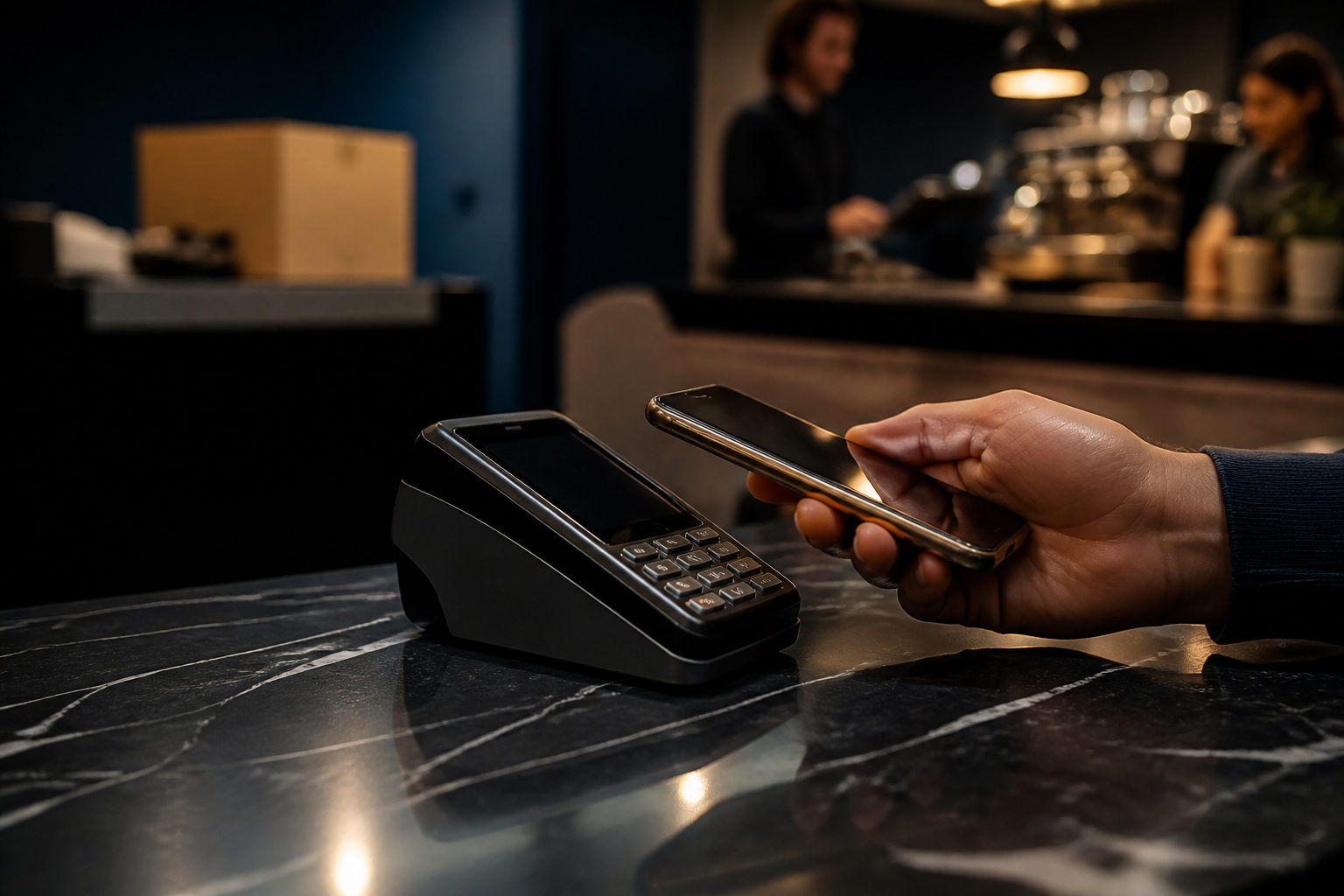
Who takes bitcoin? The short answer is that many businesses and individuals do, though support is uneven and often concentrated in online services, digital goods, cross-border work, creators, and small merchants that can manage the payment flow themselves.
Start with categories, not outdated lists
When people ask who takes bitcoin, they usually want a practical answer: where can BTC actually be spent today? A static list is only partly useful because payment options change, merchants switch processors, and some sellers stop accepting crypto without much notice. It is more useful to understand which kinds of sellers are most likely to accept bitcoin and why.
The best candidates tend to be businesses with digital delivery, global customers, or direct control over checkout. A freelance developer, a hosting provider, or an online creator can often add bitcoin with less friction than a large retailer with strict accounting, returns, and layered approval processes.
| Type of seller | Why bitcoin may fit | How payment is often handled | What you should verify |
|---|---|---|---|
| Digital goods stores | Fast delivery and simpler dispute handling | On-chain payment or checkout processor | Refund terms and payment window |
| Freelancers and consultants | Useful for cross-border billing | Wallet address, invoice page, Lightning | Quoted currency and settlement terms |
| Creators and developers | Global audiences and small direct payments | Tip address, membership payment, one-time transfer | How they match payment to your order |
| Small local merchants | Owner can decide quickly | QR code payment, mobile wallet | Whether they wait for confirmation |
| Gift card services | Indirect route into everyday spending | Platform-mediated checkout | Regional restrictions and refund policy |
One point matters here: a merchant that “accepts bitcoin” does not always keep bitcoin. Some use BTC as a payment rail, then settle into dollars right away. Others keep a portion on their balance sheet or in a treasury wallet. That choice changes the customer experience, especially around pricing, expiry timers at checkout, and refund handling.
The four payment models you will see most often
Bitcoin acceptance is not one single setup. Two merchants may both say they take BTC while using very different tools and rules. If you know the payment model, you can usually predict the risks before you pay.
| Model | What you see at checkout | What it means for the buyer | Typical use case |
|---|---|---|---|
| Direct on-chain payment | A merchant or individual wallet address | You need to check amount, fee, and order reference carefully | Small shops, one-person businesses, direct deals |
| Third-party payment processor | An order page with QR code and timer | The exchange rate may be locked for a short period | E-commerce, subscriptions, software |
| Lightning payment | A Lightning invoice or QR code | Often better for small and fast payments | Tipping, media, low-ticket retail |
| Indirect spending via gift cards | The merchant itself may not take BTC directly | Useful, but returns can be harder to sort out | Daily spending workaround |
Direct on-chain payment is closest to bitcoin’s original design. Satoshi Nakamoto published the white paper, Bitcoin: A Peer-to-Peer Electronic Cash System, on 2008-10-31, and the genesis block arrived on 2009-01-03. That peer-to-peer structure makes bitcoin especially workable for sellers who do not need a card network or bank-driven checkout stack.
If a processor sits between you and the seller, focus on the order rules. How long is the quoted amount valid? What happens if you pay late? Can an underpayment be corrected? If the order is canceled, do you get BTC back or a dollar equivalent? Those details matter more than the marketing line that says “crypto accepted.”
Why some merchants accept bitcoin and others do not
The decision is usually operational. A merchant weighs settlement, volatility, refunds, customer demand, and internal workflow. Even a seller that likes bitcoin may decide that the support burden is too high for its product mix.
| Merchant concern | Reason to accept BTC | Reason to avoid BTC |
|---|---|---|
| Cross-border payments | Direct access to international customers | Accounting may still need dollar conversion |
| Price volatility | Instant settlement can reduce exposure | Holding BTC can create balance-sheet swings |
| Refunds and disputes | Simple for many digital products | Harder for frequent returns in physical retail |
| Technical setup | Many tools are easy to plug in | Staff training and reconciliation take work |
| Customer profile | Attracts crypto-native buyers | Mainstream local buyers may not use it |
Confirmation policy is another big factor. Bitcoin targets about 10 minutes per block, so merchants choose their own risk threshold. A low-value digital order may be released after the transaction is broadcast, while a higher-value item may require one or more confirmations. That is why “accepted” does not always mean “instantly completed.”
Bitcoin’s monetary design also shapes how sellers think about it. The supply cap is 21,000,000 BTC, with issuance expected to continue until about 2140. The block subsidy halves every 210,000 blocks, roughly every 4 years. The halving dates already passed on 2012-11-28, 2016-07-09, 2020-05-11, and 2024-04-19. After the 2024 halving, the current block reward is 3.125 BTC, and the network adds about 450 BTC per day in total. For some merchants, those rules make bitcoin more than a checkout option; they see it as an asset with a distinct supply schedule. For others, it is simply another way to get paid.
How to tell whether a seller really takes bitcoin
If you want a fast answer for a specific store, skip old blog lists and inspect the payment flow itself. The goal is to confirm the full loop: checkout, payment, confirmation, refund, and support.
- Go to the actual checkout page and look for Bitcoin, BTC, or a clearly labeled crypto payment option.
- See whether the order is handled by a third-party processor and whether there is a countdown timer.
- Read the refund policy before paying, especially whether refunds are sent in BTC, in dollar value, or as store credit.
- If it is a physical shop, ask whether they use an on-chain wallet or the Lightning Network.
- If you are paying an individual, confirm the wallet address, delivery terms, and how the seller identifies your payment.
Bitcoin payments are less forgiving than card payments when basic details are wrong. An incorrect address, a missed payment window, or a forgotten order reference can create support problems even if the transaction itself was valid on the network. A small test payment can help when the setup is unfamiliar.
The smallest unit of bitcoin is 1 satoshi, equal to 0.00000001 BTC. Many wallets show tiny fractions very precisely, which helps with small payments but also makes input mistakes easier if you rush through checkout.
There is also a historical clue about merchant use. On 2010-05-22, Laszlo Hanyecz used 10,000 BTC to buy two pizzas, a transaction widely remembered as Bitcoin Pizza Day. That early purchase did not make bitcoin a universal retail currency, but it did establish a lasting precedent: BTC can function as payment when both sides agree on the process.
FAQ
What kinds of businesses most often accept bitcoin?
Digital goods, hosting-related services, independent software vendors, creators, and cross-border freelancers are common examples. They usually have simpler delivery and more flexibility in how they collect payment.
Do major brands take bitcoin directly?
Sometimes, but the status can change and may differ by region or checkout partner. The safest check is the live payment page and the merchant’s own billing terms on that day.
Does accepting bitcoin mean a seller is bullish on BTC?
Not always. Some merchants convert to dollars right after payment, while others keep some or all of the bitcoin they receive. You can often infer the difference from refund language and price-lock rules.
Is paying with bitcoin in a physical store difficult?
It depends on the setup. If the merchant already has a QR code and a clear confirmation policy, the process can be straightforward. If staff are improvising, the transaction may slow down at the counter.
Why do some sites say they accept crypto but not bitcoin?
Because “crypto payments” can mean a processor supports only certain assets, or the available options differ by merchant settings. Always check the listed coins at checkout rather than relying on the banner text alone.
What is the most common mistake when using bitcoin to pay?
People often mix up the address, network, order reference, and time limit. Before sending BTC, verify each one separately so the payment reaches the right destination and is matched to the right order.
If your real question is where bitcoin can be spent, the most useful skill is not memorizing merchant names. It is knowing how to read a checkout flow, spot the payment model, and judge whether the seller’s rules make BTC a sensible option for that purchase.
Disclaimer: This article is for informational and educational purposes only and is not investment, financial, or legal advice. Crypto assets are highly volatile and you could lose your entire investment. Do your own research and decide carefully.