
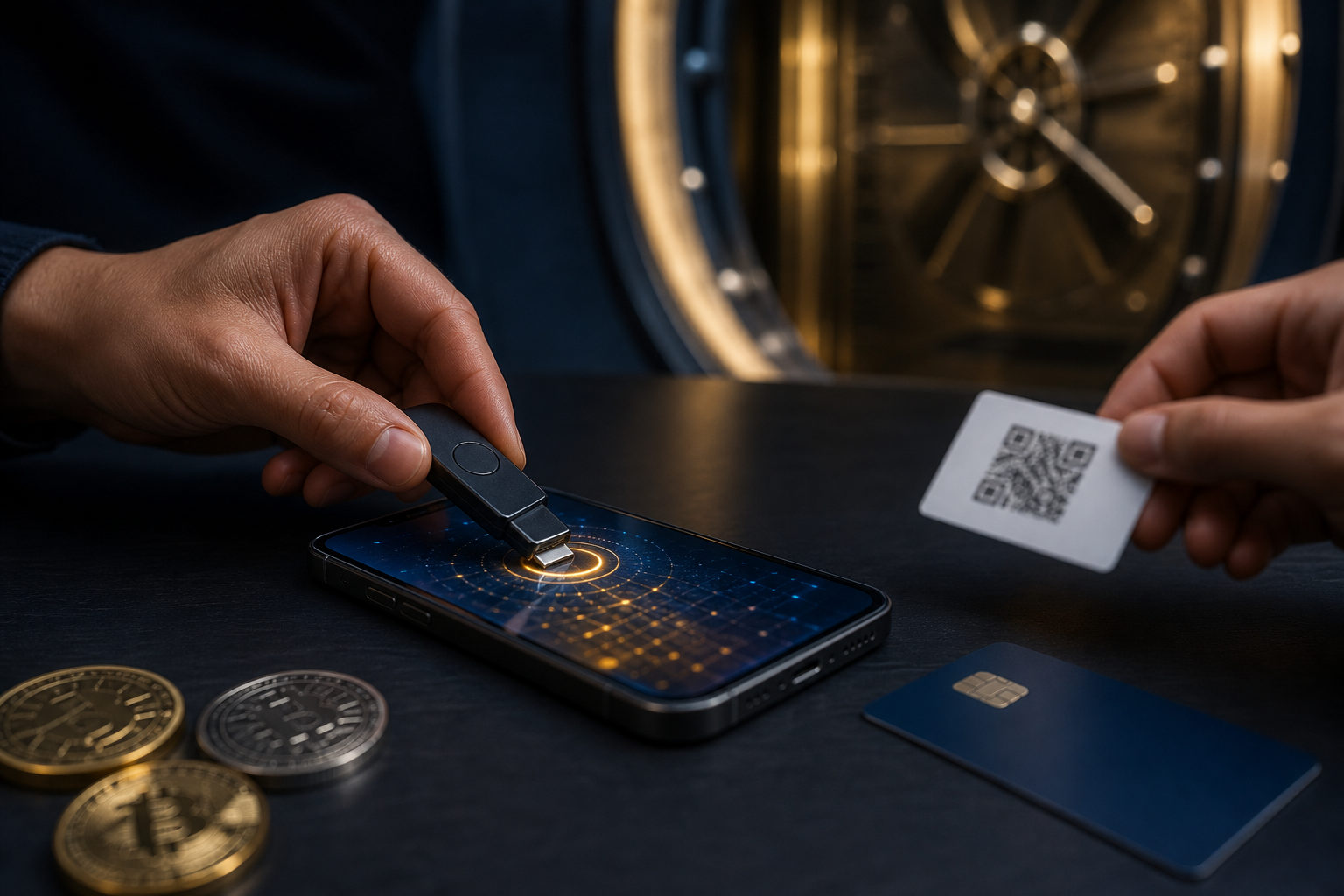
To buy bitcoin directly, first decide where the BTC will be stored, then use a purchase route with clear verification and withdrawal rules, and run a small test before moving a larger amount.
What “buy bitcoin directly” usually means
When people ask how to buy bitcoin directly, they usually mean using fiat money to get BTC without learning a full trading interface first. In practice, that can mean a simple buy feature, a peer-to-peer marketplace, or a private in-person deal. Each path can deliver bitcoin, but the safety checks are very different.
A beginner often focuses on speed and visible fees. That misses the larger issue: whether the service explains identity requirements, payment rules, withdrawal access, and dispute handling in a way you can verify before you send money. The buying step is only one part of the process. Custody and error prevention matter just as much.
If your goal is to move the coins into your own wallet, plan for that before you pay. Many avoidable mistakes happen when someone buys first and only then starts searching for a wallet, learning address formats, or trying to understand backups under time pressure.
Step 1: Decide where the bitcoin will go before you choose where to buy
Start with the destination. Will the BTC stay in the service account for a short period, or will you withdraw it to a wallet you control right after purchase? That decision affects almost everything that follows, including the kind of account you need, the checks you should perform, and the amount of testing that makes sense.
If you plan to hold for a while, setting up a self-custody wallet first is often the cleaner route. You can create a receiving address in advance, confirm that you understand the wallet interface, and store your backup information without rushing through the process after a purchase has already settled.
Wallets are commonly grouped into hot wallets and cold wallets. A hot wallet is easier to access and may fit small balances or frequent use. A cold setup is more aligned with long-term storage. The label matters less than one basic question: do you control the recovery information, and do you know how to restore access if your device is lost?
Recovery phrases should not live in a photo album, cloud note, email draft, or chat app. Those options are convenient, but they expand the number of places where the information could leak. An offline backup takes more effort, yet it removes a common failure point for people who intend to keep bitcoin over time.
Step 2: Judge a buying route by its rules, not by its marketing
Before you compare speed claims or promotional offers, check three things: identity verification requirements, payment conditions, and withdrawal policy. If any of those points are vague, treat that as a warning sign. You do not want to discover restrictions only after funds have already been sent.
Identity verification is often seen as an annoyance, but for direct bitcoin purchases it can determine whether your account gains full functionality, whether withdrawals are delayed, and whether support can review a dispute with enough information. A service that explains the process clearly gives you a better chance of understanding what will happen next.
Payment conditions deserve the same level of attention. Look for rules around name matching, accepted funding methods, timing limits, and any restrictions tied to new accounts. A common source of trouble is using a payment method that does not match the account holder information expected by the service.
Pay attention to attempts to move the transaction outside the original interface. A seller or supposed support agent may claim that a side chat, direct transfer, or off-platform payment is faster. Once the trade leaves the system where records are kept, proving what happened becomes much harder.
Step 3: Prepare your account security and receiving setup before you pay
Complete account registration, security settings, identity submission, and payment method setup before you initiate the purchase. If you delay those tasks until money is already in motion, a simple purchase can turn into a frozen process while the account waits for more checks.
Use two-factor authentication, and where possible prefer an authenticator app over relying only on text messages. Text messages may be easier to receive, but convenience is not the same as account strength. Your email account also deserves separate protection, because it is often the reset point for everything else.
Check that your payment method is truly under your control and matches the information required by the service. If the purchase route expects the payer and account owner to be the same person, using someone else’s bank card or transfer method can trigger delays or a review.
Create your bitcoin receiving address ahead of time if you plan to withdraw. After copying the address, compare the beginning and the end with what your wallet shows, then verify it again before confirming the withdrawal. Clipboard malware can swap an address without making the screen look obviously wrong at first glance.
Step 4: For a first purchase, test the full chain with a small amount
Your first direct bitcoin purchase should teach you the process, not test your luck. A small initial transaction lets you confirm that payment works, the order completes as expected, the withdrawal function is available, and the bitcoin arrives in the wallet you intended to use.
At the purchase screen, confirm that you are buying spot BTC rather than a leveraged product, a derivative, or some other instrument with a similar-looking button. On some interfaces, those products sit close together, and a rushed click can put you into a position you did not mean to open.
After the purchase executes, stay on the page long enough to review the account balance, order status, and withdrawal access. Sending bitcoin on-chain is usually not something you can easily reverse. A short pause for verification is often more useful than any attempt to fix a mistake later.
If you are withdrawing to self-custody, send a small test first. Once that amount arrives and you confirm you can see it in your wallet, move the rest if needed. This extra step adds time, but it checks the exact route you are about to rely on with a larger balance.
Step 5: The most common scams rely on pressure and borrowed trust
Direct bitcoin buying scams often look simple in hindsight. The attacker pushes urgency, uses authority, or inserts themselves into a step you should control alone. If anyone tells you to act immediately, share a code, or let them “help” by taking over the process, stop and review every step from the start.
Fake support is one of the most common patterns. Someone may claim your account has a compliance issue, a refund problem, or a withdrawal lock, then ask for login details, verification codes, remote screen access, or wallet recovery words. A legitimate service may ask you to complete checks through its normal interface, but it should not need your full password or recovery phrase.
Peer-to-peer purchases have their own set of risks. A buyer or seller may send a forged payment confirmation, pressure you to release bitcoin early, or steer the conversation into a private chat where there is less evidence. The only reliable way to judge payment status is the official record and the actual receipt of funds where the rules say they should appear.
Private “helper” arrangements are also dangerous. If someone offers to register the account for you, receive the verification messages, buy the BTC on your behalf, and move it into a wallet, they control too many points in the chain. If anything goes wrong, proving ownership and reconstructing the steps becomes difficult.
Step 6: After the purchase, custody discipline matters more than watching the price
Once the bitcoin arrives, the next set of risks shifts from buying to storage and future transfers. You need to know where the coins are held, how access can be recovered, and what records you kept for your own reference. People often relax after the purchase, even though later withdrawals can still go wrong.
If the amount is small and intended for frequent use, a hot wallet may be practical. If you are holding for longer, self-custody and backup discipline become more important. Keep your transaction records, wallet backup plan, and device access details organized in a way that you can understand later without guessing.
Build the habit of checking destination details every time you send bitcoin. A successful transfer from the past does not guarantee the next one is safe. Device changes, software permissions, and copy-paste mistakes can reintroduce risk into a process that felt familiar last week.
If on-chain handling still feels new, keep your scope narrow at first: learn how to buy, withdraw, confirm receipt, and protect your backup. That is enough for a first stage. Extra features can wait until the basic workflow feels routine and you can verify each step calmly.
FAQ
Should I set up a wallet before opening a bitcoin buying account?
If you plan to withdraw right after purchase, setting up the wallet first is usually easier because your receiving address and backup process are ready in advance. Even if you want to learn the buying interface first, decide where the bitcoin will end up before you pay.
Do I always need identity verification to buy bitcoin directly?
Many fiat purchase routes require identity checks, especially when withdrawals are involved. The verification level can affect what features you can use, so read those requirements before sending funds.
Can I leave bitcoin in the service account after I buy it?
You can for short-term use, but that means you are not the one controlling the keys. If direct control matters to you, move the BTC to a wallet you manage and secure the recovery information separately.
Why is a small test purchase or withdrawal recommended?
A test confirms the full chain: payment, order completion, withdrawal access, address accuracy, and wallet receipt. For a first-time buyer, that single check can prevent a basic but expensive mistake.
Where should I check the live bitcoin price if I only want a quote?
You can use a major market data page or the spot quote page of the service you plan to use. Just make sure you know whether you are looking at the last trade, the buy and sell spread, or the provider’s own conversion quote.
Before you buy bitcoin directly, set up the wallet, store the backup offline, enable two-factor protection, and prepare the receiving address. When it is time to pay, follow the checklist you already verified and complete one small end-to-end test first.
Disclaimer: This article is for informational and educational purposes only and is not investment, financial, or legal advice. Crypto assets are highly volatile and you could lose your entire investment. Do your own research and decide carefully.