
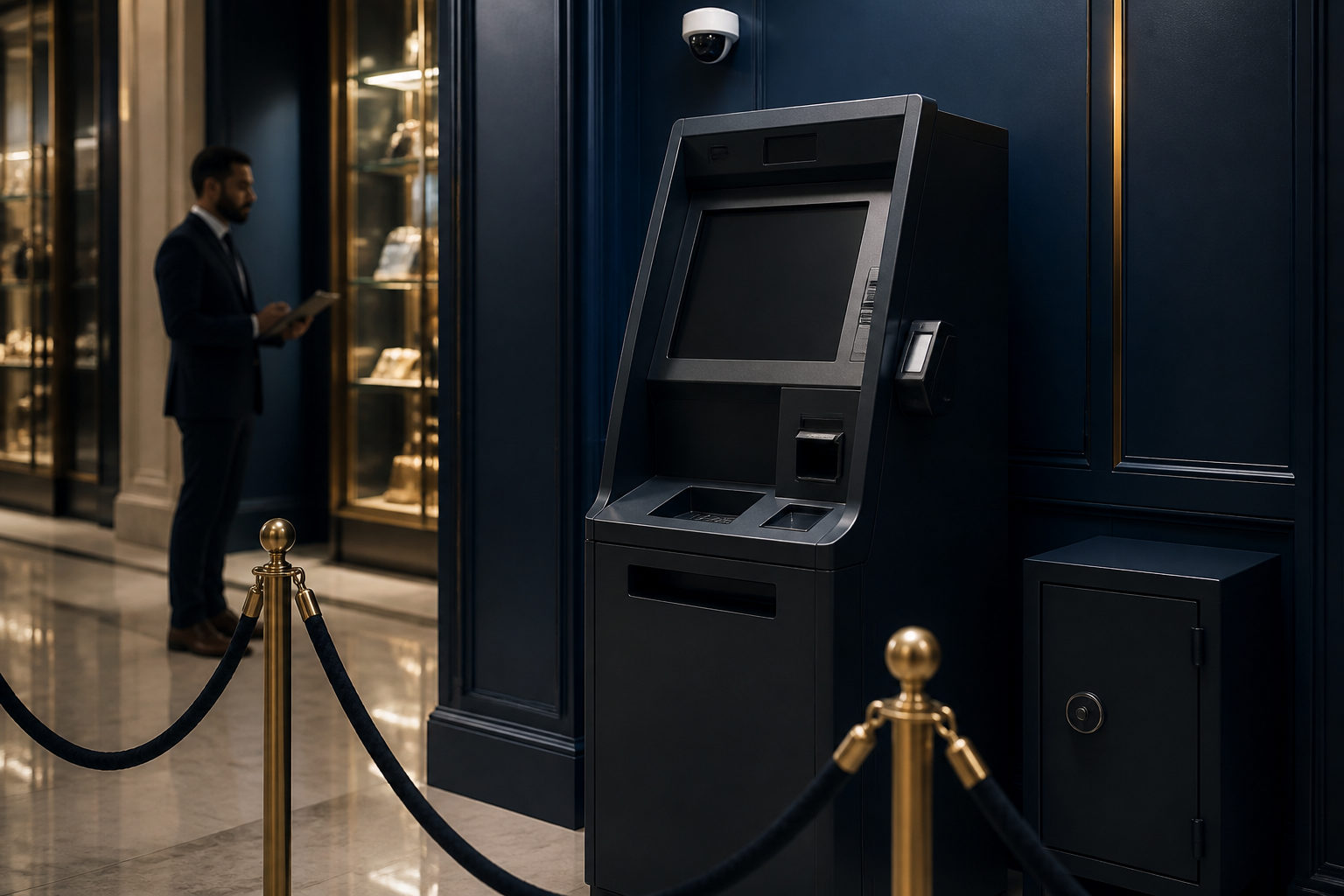
To own a bitcoin ATM, start with compliance, cash handling, wallet controls, and anti-scam procedures before you even look at hardware. Buying a machine is the easy part; running it safely is the real job.
Decide what kind of operator you want to be
A bitcoin ATM can look like a simple kiosk, but the work behind it is closer to a regulated cash service with crypto settlement. You may have to deal with customer identity checks, suspicious transactions, cash replenishment, downtime, complaints, and fraud reports.
That means your first decision is structural. Will you operate the machine yourself, or will you provide floor space while another party runs the service? If you self-operate, you need procedures for both customer-facing issues and back-office controls. If you work with a third party, the contract has to spell out who handles customer support, who stores records, who responds to official inquiries, and who absorbs losses tied to scams or operator error.
Step 1: Check legal and compliance feasibility first
Your first task is to confirm whether this business model is allowed where you plan to operate. Rules can differ by country, state, province, or city, and they may treat bitcoin ATMs as a money service, a cash access point, a crypto exchange touchpoint, or a mix of those ideas.
Build a location-by-location checklist. Review whether cash-to-bitcoin transactions are allowed, whether two-way functionality creates extra obligations, what customer identification is required, what records must be kept, and what fee or risk disclosures must appear before a transaction is completed.
The reason to do this first is practical. If you buy hardware before you know the rules, you may end up with a machine that cannot legally go live. Be careful with sales claims and broad market chatter. You need actual written requirements, formal guidance where available, and a review process that leaves you with a documented position you can defend later.
Step 2: Define the service flow before choosing a machine
There is no point in comparing models until you know what service you want the customer to complete. Some setups focus on letting users buy bitcoin with cash. Others include more moving parts and more operational pressure.
Map the customer journey from the first screen onward. What does the customer see when they approach the terminal? When do they enter a wallet address? When does identity verification begin? At what point is cash accepted? What happens if the transaction stalls, the machine loses connectivity, or the customer claims the transfer did not arrive?
This exercise matters because the machine is only the front end. The business depends on the full chain behind it: wallet address capture, exchange rate feed, identity checks, risk filters, receipts, audit logs, and escalation rules. A feature list can look attractive, but every added function creates more room for mistakes, disputes, and support demands. Choose a setup your team can actually operate every day.
Step 3: Build wallet governance and funding rules
If you want to own a bitcoin ATM, you need a clear plan for where the bitcoin used in customer transactions comes from and who controls access to it. That means deciding how you fund operational liquidity, who can move assets, who reviews balances, and how the machine status matches the real backend position.
Split duties where you can. The people who handle day-to-day liquidity should not automatically control all high-level permissions. Keep operational funds separate from longer-term reserves. If one person can change payout settings, approve exceptions, and move assets without review, your exposure becomes much larger.
Bitcoin transfers are generally irreversible. If funds are sent to the wrong address or an admin account is compromised, recovery can be very hard. Keep recovery data offline, restrict who can modify address rules or payout logic, use strong authentication for backend access, and require a second review for unusual activity. Many losses tied to this business start in weak permission design rather than in physical machine failure.
Step 4: Choose the location with fraud control in mind
High foot traffic sounds attractive, but a bitcoin ATM does better in a place that can be supervised. A strong site usually has staff nearby, decent visibility, some form of video coverage, and a process for responding when a customer becomes distressed or confused.
When evaluating a venue, ask more than basic rental questions. Who notices if the machine loses power? Who responds first if a customer says cash was accepted but no bitcoin arrived? Who can help preserve on-site records if there is a dispute? A location partner should understand that the machine is not just a box in the corner.
Fraud risk is a major reason this step matters. Many scam victims are directed to a bitcoin ATM while on a live phone call or in an urgent chat thread. They may be told not to speak to staff, not to tell family members, and not to question the destination address. A site with no supervision gives that script room to work.
Step 5: Put anti-scam friction into the transaction flow
Warnings on a poster are not enough. Anti-scam controls should appear inside the transaction process at the points where a customer is most likely to rush. Ask direct questions that interrupt the script a scammer may be using: Is someone telling you to pay with bitcoin? Are you being asked to stay on a call while using this machine? Were you told this payment will fix an account problem, release funds, cover a fee, or secure an investment opportunity?
These prompts work because scam victims often act under pressure. A plain-language stop question can create a pause that a generic risk statement will not. If the system flags the session for review, explain that the delay exists for customer safety so the user does not mistake it for a technical fault and push harder to complete the transfer.
If there is on-site staff or customer support, prepare a short script for intervention. Ask whether the customer knows the recipient, understands what bitcoin is being used for, and can explain the purpose without reading from a phone. If the answers sound coached, vague, or urgent, the session should move into a higher-review path.
Step 6: Set identity verification and transaction monitoring standards
Even where lower-risk activity may be treated with lighter checks, an operator should still define internal standards for identity review and suspicious behavior. If your machine becomes a channel for scams, mule activity, or misuse of stolen information, the operational damage lands with you.
Create rules in advance. Which users can proceed with basic information? Which behaviors trigger a higher level of review? Which cases require manual approval? Which patterns mean the transaction should be stopped outright? Write those answers into an internal procedure so different staff members do not improvise different standards on different days.
Watch for behavior that often signals trouble: a person being coached by someone nearby, repeated attempts in a short time, inability to explain the destination, refusal to end a phone call, visible panic, or a strong push to finish immediately. You do not need to treat every customer as suspicious. You do need rules that work the same way each time.
Step 7: Prepare cash management, reconciliation, and maintenance routines
Once a machine is live, routine operations take over. Cash levels must be monitored. Transaction records need to be matched against backend logs. Printers, scanners, touchscreens, and connectivity all need checks. Software changes need records so later problems can be traced to a specific update or configuration change.
Break the work into recurring tasks. Review machine status and exception reports each day. Reconcile cash and backend records on a schedule you can maintain consistently. Keep a maintenance log for hardware issues, service visits, consumables, and system changes. If a customer claims cash was taken or a scan failed, your ability to resolve the dispute depends on what records exist.
Do not promise response times that your operation cannot support. A support number is useful only if somebody can actually investigate, review logs, and make decisions. Customer service that exists on paper but not in practice turns small issues into regulatory and reputational problems.
Step 8: Explain fees, timing, and dispute boundaries before payment
Many disputes come from mismatched expectations rather than system failure. Customers may not understand what fee the operator charges, what part of the process depends on blockchain conditions, when a transfer might be delayed, or why a completed transfer usually cannot be reversed.
Make those points visible before the customer inserts cash or confirms the transaction. Use plain wording. State what the customer is paying for, what can affect processing time, and what happens if they enter the wrong destination information. Support contact details should be real, monitored, and tied to a clear case-handling process.
Internally, classify disputes before they happen. General questions, failed transactions, suspected scams, identity problems, and official requests should not all land in one undifferentiated inbox. Each category needs an owner, an access scope for records, and a response path.
FAQ
Do I need to buy a machine before anything else?
No. It is smarter to confirm legal viability, site suitability, wallet controls, and support capacity first. Hardware should come after the operating model is clear.
What is the hardest part of owning a bitcoin ATM?
For many operators, the hard part is not the kiosk itself. Fraud prevention, customer disputes, recordkeeping, and day-to-day operational discipline usually create more pressure than the physical device.
Can I run a bitcoin ATM as a passive side business?
Only if another party takes on the real operational burden and the agreement defines that responsibility clearly. Cash service points and crypto transactions can create support and compliance work even when customer volume looks modest.
How do I lower scam exposure without blocking every user?
Use targeted friction rather than random delay. Ask direct anti-scam questions, flag coached behavior, require review for suspicious sessions, and train staff to identify pressure-driven transactions.
Is a busy location enough to make the business work?
No. Traffic helps only when the site is manageable. A place with staff presence, workable incident response, and room for fraud intervention is usually more valuable than a site that is busy but poorly controlled.
Before you move forward, write your own launch checklist: local rules, identity standards, wallet permissions, funding process, venue responsibilities, anti-scam prompts, reconciliation steps, support workflow, and outage response. If those pieces are not defined on paper, ownership is still premature.