
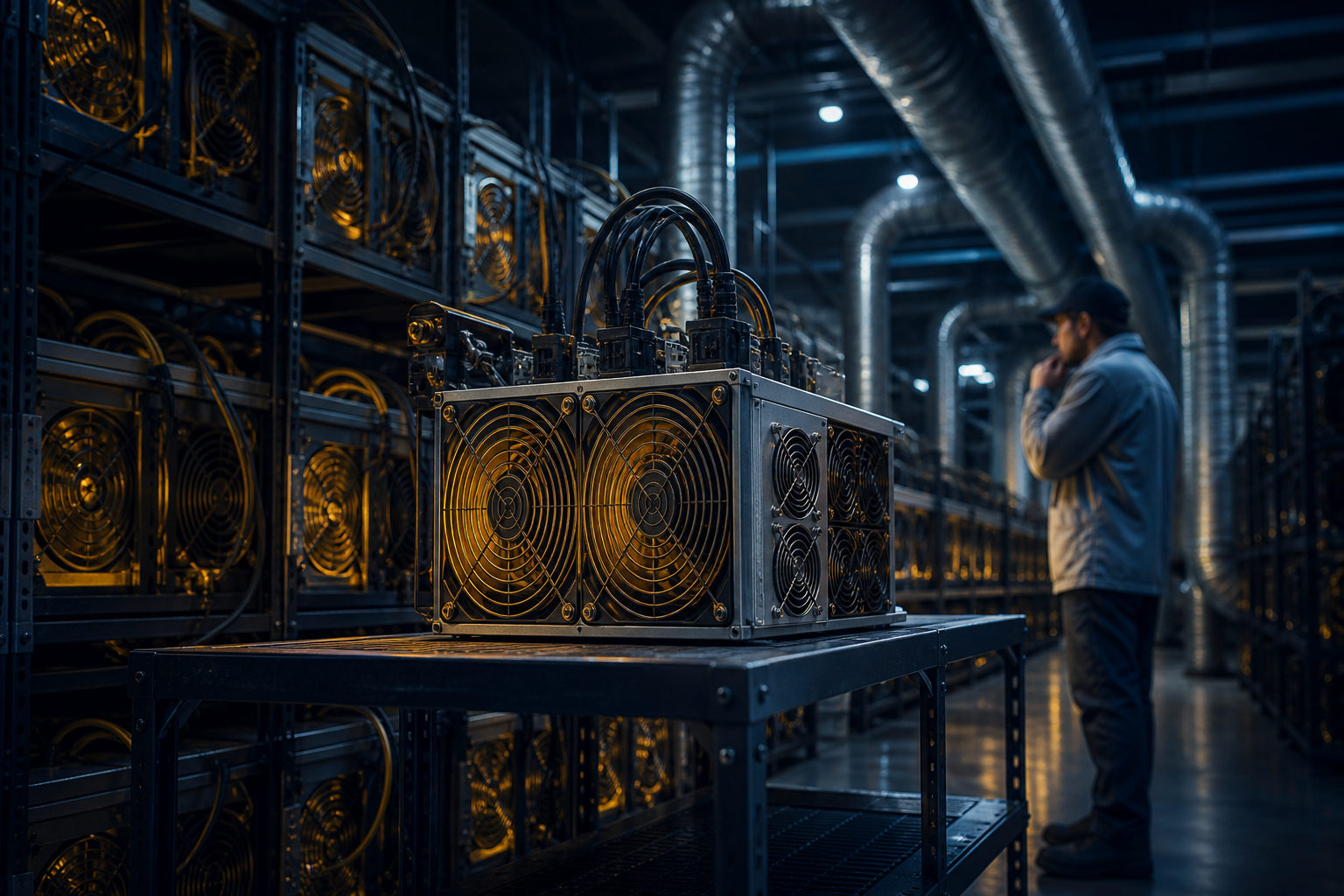
Yes, you can still mine Bitcoin in 2026. The bigger question is not whether mining exists, but whether your electricity costs, hardware, and operating setup make it practical for you.
Why Bitcoin mining still exists in 2026
Bitcoin was built to keep issuing coins over time rather than all at once. Mining is part of that system. A simple way to picture it is a bookkeeping race: miners compete to package transactions into a new block, and the winner gets the block reward plus transaction fees.
This process has been running since the genesis block in January 2009. Bitcoin has a fixed supply cap of 21 million coins, yet that does not mean mining suddenly stops once the system matures. New issuance slows over time, while miners still play a central role in securing the network and confirming transactions.
Bitcoin typically produces a block about every 10 minutes. The block subsidy is cut in half about every 4 years, or every 210,000 blocks. The halving years so far have been 2012, 2016, 2020, and 2024. So if you are asking whether you can still mine Bitcoin in 2026, the direct answer is yes: mining is still part of how the network works.
“Can you still mine” is different from “should you mine”
Many people asking about Bitcoin mining in 2026 are really mixing two separate questions. One is technical: is mining still possible? The other is personal: does mining make sense for your budget, location, and risk tolerance?
On the technical side, mining is still open. If you have suitable ASIC hardware, stable power, internet access, and a way to connect to a mining pool, you can take part. What has changed is the level of competition. Bitcoin mining is no longer a casual activity for an ordinary home computer running some software in the background.
That distinction matters. A person can join the network and still end up with a setup that is noisy, expensive, hard to maintain, and poorly matched to local power costs. In other words, access is still there, but easy profits are not the point of this discussion.
What you usually need to mine Bitcoin
If you want a realistic answer to whether you can still mine Bitcoin in 2026, break the process into parts. That gives you a better view than asking whether you are “too late.”
Specialized hardware
Bitcoin mining is now associated with dedicated ASIC machines rather than standard desktops or gaming rigs. A regular computer may be able to run mining-related software, but that is very different from having a competitive setup. Hardware choice affects power draw, heat, repair issues, and how long the machine remains usable.
Electricity and cooling
Electricity is not just a line item. It shapes the whole operation. A mining machine runs continuously, which means power pricing, electrical stability, ventilation, and heat removal all matter from day one.
Cooling is often underestimated. The machine itself is only part of the system; the room, airflow, dust levels, and sound output all affect day-to-day use. A setup that looks fine on paper can become difficult fast in a home environment.
Pool access and basic operations
Solo mining still exists, but most individuals look at pools instead. A mining pool combines the work of many miners and distributes results according to its rules. That usually creates a smoother payout pattern than waiting on your own.
You also need to understand worker settings, pool fees, payout policies, and what happens if the machine goes offline. Mining is closer to running equipment than clicking a buy button.
Wallet security
Mining does not end when a machine starts hashing. You still need a Bitcoin wallet, a receiving address, backups, and a safe process for storing private keys. A weak security setup can wipe out the value of everything that came before it.
The real barriers in 2026
The hardest part of Bitcoin mining is often not getting started. It is staying operational without letting costs and complications pile up faster than expected.
- Power costs: These shape the economics of the entire setup.
- Machine wear: Mining hardware ages, and older units can lose their edge as competition stays intense.
- Heat and noise: A machine that runs around the clock is rarely easy to ignore in a home or small office.
- Maintenance: Dust, fan issues, connection drops, and power interruptions can all reduce uptime.
- Local rules and site limits: Building management, power constraints, and noise restrictions may affect what is realistic.
- Price volatility: Even if you are focused on long-term participation, market swings still affect planning and risk.
That is why a clear answer to “can you still mine bitcoin 2026” should be split in two. Yes, the network still allows mining. No, that does not mean mining is a good fit for every person who is curious about it.
Alternatives if you do not want to run your own machine
Not everyone who wants exposure to Bitcoin mining needs to buy and manage hardware directly. Some people consider hosting services, while others focus on mining-related companies or simply hold Bitcoin itself. Those paths are not the same as mining, and they carry different trade-offs.
Hosting can reduce the hassle at home, yet it introduces counterparty risk, service terms, downtime policies, and transparency concerns. Offers described as cloud mining or rented hashpower also call for extra care, because the fine print can shift more risk to the customer than it first appears.
If your goal is simply to own Bitcoin rather than learn the operational side of mining, buying and securing Bitcoin may be a more natural fit. Mining is closer to running infrastructure than buying an asset.
FAQ
Can a beginner start mining Bitcoin in 2026?
Yes, a beginner can start, but the starting point is different from what many expect. You are dealing with hardware, electricity, cooling, and security, not just software installation.
Can you mine Bitcoin at home in 2026?
You can, but home mining depends heavily on your power setup, ventilation, and tolerance for noise. For many people, those limits matter more than the machine itself.
Do you need an ASIC to mine Bitcoin in 2026?
In practice, specialized ASIC hardware is what most serious Bitcoin mining setups use. A standard computer may run programs, but that is not the same as having a setup that can compete.
Is solo mining still possible in 2026?
Yes, solo mining is still possible. The challenge is that results can be highly uneven, so many individuals prefer pools for a steadier operating experience.
What should you check before trying to mine Bitcoin?
Start with electricity pricing, cooling, noise, hardware sourcing, pool rules, and wallet security. If those pieces are not clear, buying a machine first is usually the wrong order.
Before you buy anything, do this first
Check whether you have reliable power, a place that can handle heat and noise, stable internet, and enough time to learn wallet safety and pool operations. If any of those are missing, review your cost plan and exit plan before you spend money on mining hardware.
Disclaimer: This article is for informational and educational purposes only and is not investment, financial, or legal advice. Crypto assets are highly volatile and you could lose your entire investment. Do your own research and decide carefully.