
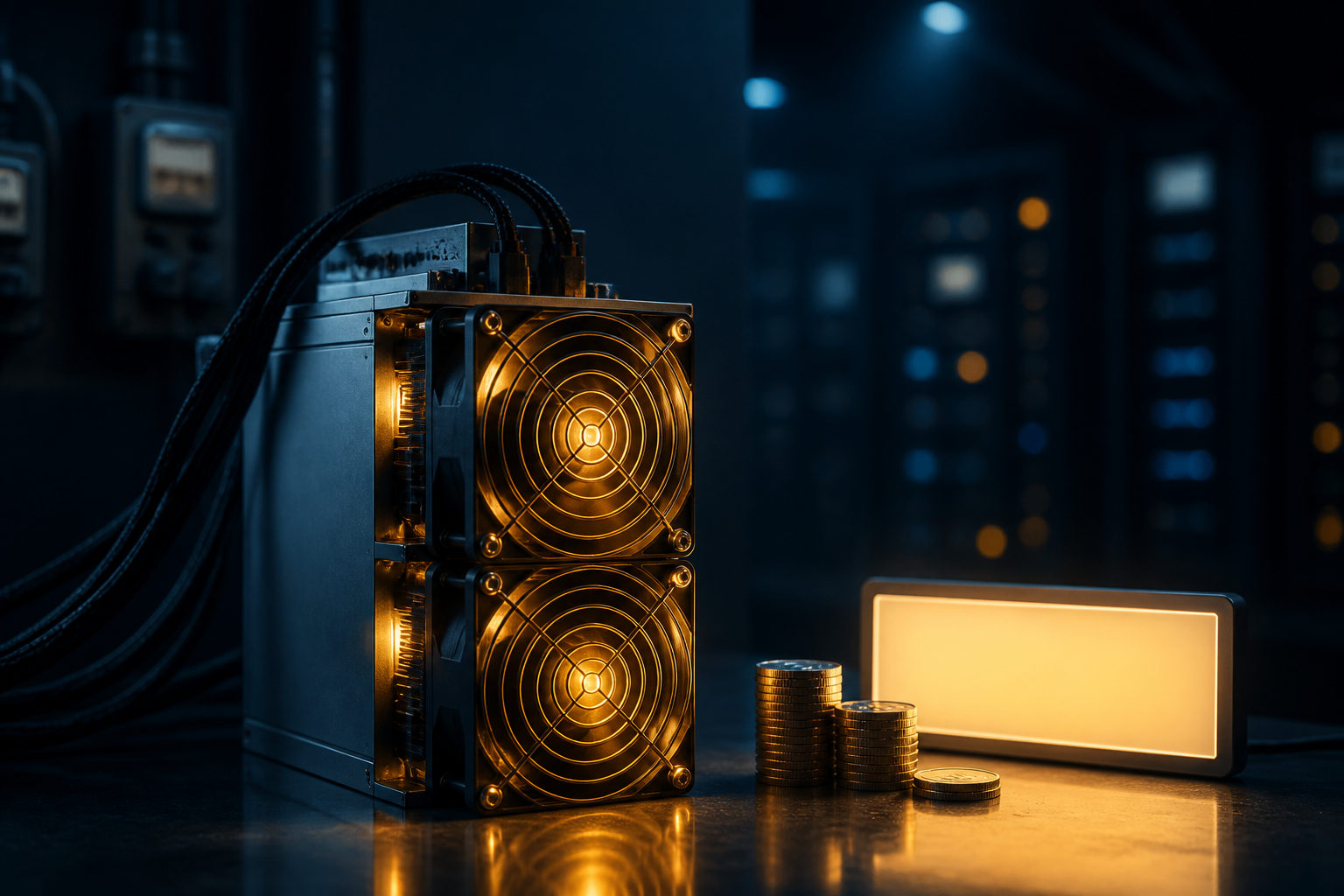
The cost to mine one bitcoin is not a fixed number. It depends on power rates, machine efficiency, network difficulty, and pool payouts; As of August 1, 2026, Bitcoin trades at $63071.
Live BTC data and the baseline for mining cost
| Metric | Value |
|---|---|
| Price | $63071 |
| 24-hour change | -2.57% |
| Market cap | about $1.27 trillion |
| Fear & Greed Index | 25 (Extreme Fear) |
| Data time | August 1, 2026 |
According to CoinGecko and alternative.me data, that day’s BTC price and sentiment offer context for miners, but they do not equal the direct cost of producing one coin.
When people ask how much it costs to mine one bitcoin, they are usually asking how much electricity and hardware input is required under current network conditions. There is no universal figure because each operation runs on a different power contract, cooling setup, uptime record, and payout structure.
Why there is no universal cost to mine a bitcoin
The biggest mistake is to treat mining cost as an electricity-only question. Power is central, but it is only one part of the bill; hardware purchase, hosting, maintenance, cooling, and downtime all affect the full cost per BTC.
Network difficulty also changes the equation. Even with the same machines in the same facility, a tougher network means less BTC earned per unit of time, which pushes the cost per coin higher.
Main variables behind mining cost
- Power rate: cheaper electricity lowers the expense side.
- Hardware efficiency: better-performing machines can produce more with the same power draw.
- Mining difficulty: stronger network competition reduces output for the same hash power.
- Pool payout method: earnings can vary in timing and stability.
- Operational uptime: overheating, faults, and interruptions raise the cost per coin.
That is why answers found online often conflict. Some refer only to theoretical power cost, while others include depreciation, hosting, and operating overhead. Those are different definitions, so they should not be mixed together.
Use power rates and difficulty as the live yardsticks
If you want a practical way to judge the cost to mine one bitcoin, focus on two moving inputs instead of chasing one static number: electricity pricing and mining difficulty. One drives spending, the other shapes output.
With BTC at $63071 and the 24-hour move at -2.57%, the revenue side is already shifting. The Fear & Greed Index sits at 25, which points to cautious market sentiment. Sentiment does not create mining cost by itself, yet it can affect decisions on expansion, shutdowns, and whether less efficient machines stay online.
- Check whether your power rate is competitive.
- Review whether your mining hardware can run efficiently for long periods.
- Watch whether higher difficulty reduces BTC output for the same setup.
- Add hosting, repairs, and downtime before calling it a true cost figure.
Once you break the question down that way, the phrase “how much does it cost to mine one bitcoin” becomes an operating problem, not a single headline number.
BTC price and mining cost are related, but not identical
Many beginners treat the market price of BTC as if it were the mining cost line. That is too simple. Market price reflects what buyers and sellers agree on, while mining cost reflects what producers spend to obtain BTC.
When market price stays above the full cost for a large share of miners, operations are usually easier to keep running. If price weakens while the expense side does not improve, pressure tends to hit high-power-cost sites and older machines first.
That is why a live BTC page still matters here. This article does not assign a single cost figure to one coin, but you can compare the $63071 market price with the day’s network conditions and your own power profile to judge your margin of safety.
FAQ
What should I check first when estimating the cost to mine one BTC?
Start with your electricity rate and your machine efficiency. Without an edge in those two areas, the full cost can stay high even if market conditions improve.
After that, monitor network difficulty because it directly changes how much BTC your setup can earn.
Is the cost to mine bitcoin the same as the BTC market price?
No. Market price is the trading result, while mining cost is the sum of power, hardware, and operating inputs used to produce BTC.
The two can move closer together or drift apart, especially during sharp market swings.
Can home miners use the same framework?
Yes, the framework is the same. Home setups often face higher power costs and tighter limits on cooling, noise, and stable uptime.
If downtime and heat issues are ignored, the estimate can look better than reality.
Why do online answers about mining one bitcoin vary so much?
Most of the gap comes from different definitions of cost. Some calculations count only power, while others include depreciation, hosting, repairs, and lost time.
Power contracts also differ a lot by location, so the same question can produce very different answers.
If you plan to calculate mining cost on your own, put power rates, hardware efficiency, difficulty changes, and uptime into the same worksheet, then compare that result with the day’s BTC price. Leaving out even one of those inputs can distort the picture.
Disclaimer: This article is for informational and educational purposes only and is not investment, financial, or legal advice. Crypto assets are highly volatile and you could lose your entire investment. Do your own research and decide carefully.