
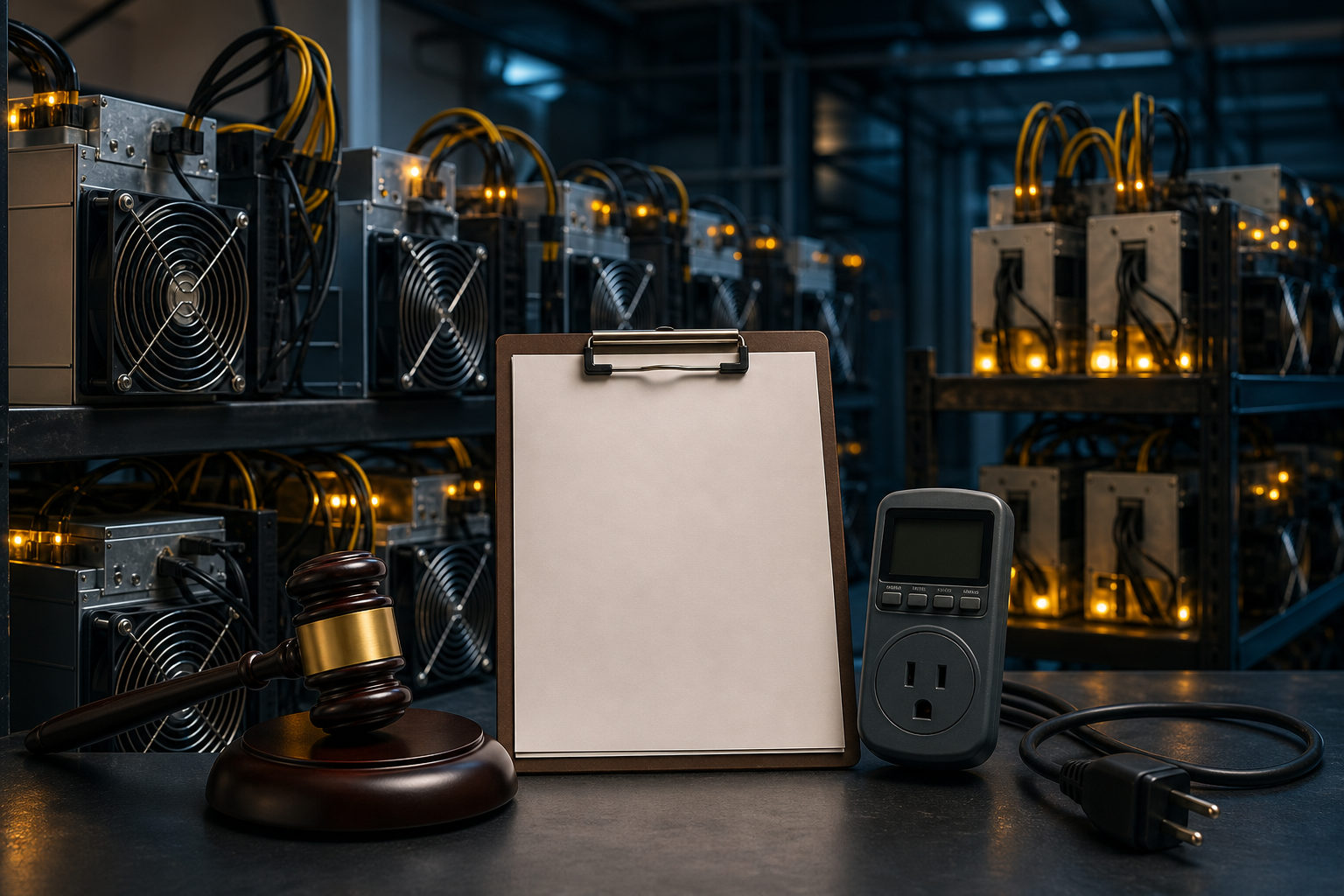
Is mining bitcoin illegal? There is no single global answer. Bitcoin mining is a computing and record-keeping activity, and whether it is legal depends on local rules on crypto, electricity use, business permits, contracts, and taxes.
What bitcoin mining actually is
A simple way to picture mining is to think of Bitcoin as a public ledger that many computers help maintain. Miners compete to validate transactions and package them into new blocks. When a block meets the network rules, it can be added to the chain, and the miner who found it may receive the block reward and transaction fees.
Bitcoin started with the genesis block in January 2009. It uses proof of work, and the network produces a block about every 10 minutes. Mining is not printing money out of thin air; it is a contest based on computing power, electricity, and hardware efficiency.
Why legality depends on where and how you mine
People often ask whether bitcoin mining is illegal as if the answer should be the same everywhere. In practice, authorities usually look at more than the technical act itself. They may focus on power consumption, property use, equipment imports, tax reporting, licensing, and whether mining-related services are offered to other people for a fee.
That means two miners can face very different legal outcomes. One may be running machines in a place where mining is allowed and power use is properly contracted. Another may be using residential electricity in ways that violate local rules, ignoring zoning or fire standards, or operating a business without the needed registration.
So the better question is not only whether mining Bitcoin is illegal. It is also whether your setup follows local energy rules, building rules, tax obligations, and any limits on crypto activity in your jurisdiction.
Common ways people take part in mining
From a technical point of view, anyone can try to join the Bitcoin network. In real life, participation usually means buying specialized hardware, joining a mining pool, or placing machines in a hosting facility. Each route changes the practical and legal issues you need to check.
Running hardware at home
This is the most obvious idea for beginners, and often the least realistic one. Mining machines run continuously, create significant heat and noise, and draw a lot of power. A home setup may clash with lease terms, building policies, insurance conditions, or local electrical standards.
Joining a mining pool
A mining pool combines the work of many miners so rewards can be shared more regularly. Pool participation does not make mining automatically legal. You still need to confirm that the service is available where you live and that your account records and tax treatment are handled properly.
Using hosted mining
Hosting can remove some operational headaches, but it adds contract risk. Before sending machines to a third party, you need clear terms on equipment ownership, downtime, repairs, fees, and withdrawal procedures. If the host is cutting corners on compliance, your exposure does not disappear just because the machines are off-site.
Where legal trouble usually starts
The word mining gets attention, but enforcement often centers on related conduct. Power theft, meter tampering, unsafe wiring, undeclared business activity, misleading promotions, and unpaid taxes can create obvious legal problems even in places where mining itself is not expressly banned.
Another common mistake is assuming that a technical hobby stays a hobby forever. If you manage machines for others, collect service fees, or raise money around a mining operation, regulators may view the activity differently. Consumer protection, advertising rules, contract law, and facility safety can all come into play.
Cost is another reality check. Bitcoin mining is highly competitive, so hardware, electricity, cooling, repairs, and downtime matter a great deal. If you are only trying to understand how the network works, you do not need to buy equipment right away.
Learning the basics first is often the smarter move. Bitcoin has a fixed supply cap of 21 million coins. The block reward is cut in half about every 4 years, or every 210,000 blocks, and halvings have taken place in 2012, 2016, 2020, and 2024. Those rules shape mining economics, but they do not remove local legal duties.
FAQ
Is bitcoin mining itself against the law?
Not everywhere. The mining process is a technical function of the Bitcoin network, but local law may restrict it directly or regulate the electricity, business, and tax side of your setup.
Can I mine Bitcoin at home without legal issues?
Maybe, but home mining raises practical questions fast. Power load, noise, heat, lease terms, and building rules can become problems before the mining side does.
Does joining a pool make mining legal?
No. A pool is only a coordination method for sharing work and rewards. You still need to check whether the service can be used in your jurisdiction and whether your records and reporting are in order.
What should I check before getting started?
Look at local rules on crypto mining, electricity contracts, property use, taxes, and business registration. If you plan to use a hosting provider, read the contract closely and verify who is responsible when machines go offline.
Can a regular computer still mine Bitcoin?
In theory, any compatible computing power can participate. In practice, Bitcoin mining is so competitive that serious participants usually rely on specialized machines rather than standard consumer computers.
If you are deciding whether to take the next step, start with local law, power rules, contract terms, and tax treatment. Only after that should you decide whether buying hardware makes sense.
Disclaimer: This article is for informational and educational purposes only and is not investment, financial, or legal advice. Crypto assets are highly volatile and you could lose your entire investment. Do your own research and decide carefully.