
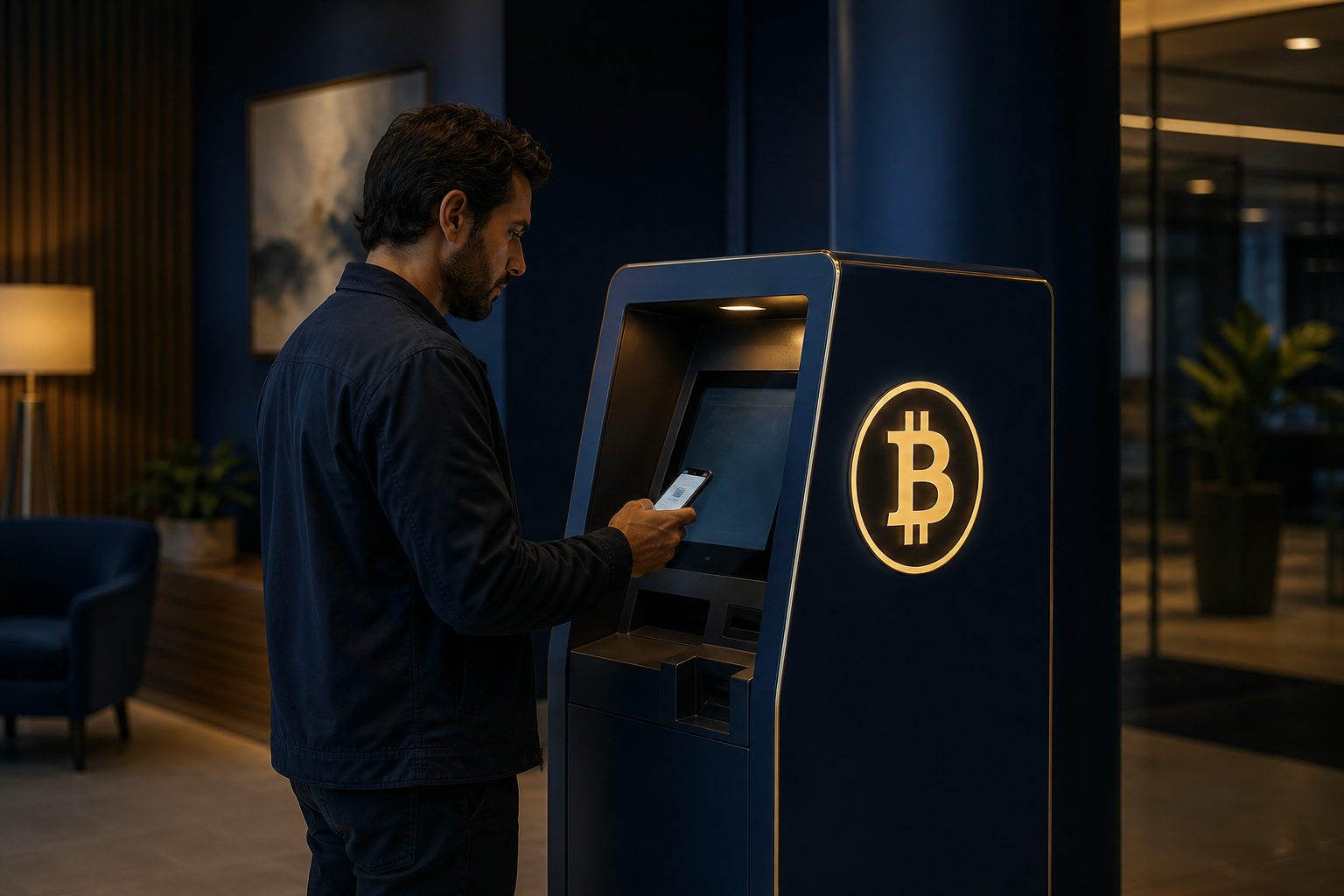
Is Bitcoin ATM safe? It can be, but only when you treat it like a high-risk money transfer, not a vending machine. The biggest dangers are scam pressure, sending coins to the wrong wallet, and using a machine without checking who runs it.
What makes a Bitcoin ATM safe or unsafe
A Bitcoin ATM is simply a physical terminal that connects a payment action to a crypto transaction. That setup is convenient, especially for people who want a direct way to buy or sell bitcoin, yet convenience often causes users to skip basic checks.
Safety depends on three things more than anything else: whether the operator is clear and reachable, whether the wallet address is correct, and whether someone else is pushing you through the transaction. Many losses tied to Bitcoin ATMs are not caused by the machine failing. They happen because the user was rushed, misled, or tricked into sending bitcoin to a third party.
Step 1: Check the machine and the operator before you start
Look for clear operator details
Before touching the screen, check the machine for the company name, support contact, terms of use, and any transaction notices. This matters because if a transfer is delayed or an identity check gets stuck, you need a real operator to contact.
Do not assume the machine is safe just because it sits in a grocery store, mall, or gas station. The venue may only provide floor space. What matters is whether the ATM service provider is transparent and offers support that can actually be reached.
Read the fee and rate information first
People asking whether Bitcoin ATMs are safe often focus on theft and ignore the screen in front of them. A legitimate machine will usually show fees, exchange rate details, and the next steps before final confirmation.
The reason to pause here is simple: once a blockchain transaction is sent, reversal is often not an option. If the display is unclear, or if someone is urging you to move faster, cancel the session and step away.
Step 2: Use your own wallet and follow the process in order
Prepare your own receiving wallet
If you are buying bitcoin, generate the receiving address from a wallet you control on your own device. That reduces one of the most common risks: sending funds to an address supplied by someone else.
Never rely on a wallet address sent by a stranger over text, chat, or email. A scammer does not need to hack the ATM to take your money. They only need you to scan their QR code.
Start with a small test transaction
If this is your first time using a Bitcoin ATM, make a smaller test purchase before doing anything larger. This gives you a chance to confirm that you scanned the correct QR code, selected bitcoin rather than another asset, and understand how the process appears in your wallet.
A test transaction also lowers the cost of a mistake. First-time users are more likely to tap through screens too quickly, especially when standing in public or feeling rushed.
Check the address carefully
Match the address shown on the machine to the one generated by your wallet. Do not compare only the first few characters. Read enough of it to be confident that the ATM is sending bitcoin to the address you intended.
This step is where many people answer the question “is it safe to use Bitcoin ATM” the wrong way. The machine may be working exactly as designed, while the real problem is that the user approved the wrong destination.
Keep the receipt, but protect sensitive data
After the transaction, save the receipt, order reference, location, and any on-screen message. If support is needed later, these details can help the operator locate the transaction.
At the same time, protect your private information. No honest support team needs your wallet recovery phrase. If anyone asks for your code words, verification code, or full access to your wallet, stop immediately.
Step 3: Treat scam pressure as the main threat
For many users, the real answer to “are Bitcoin ATMs safe” has little to do with the machine itself. A common fraud pattern starts with a phone call, fake support message, romance scam, or investment pitch. The victim is then directed to a Bitcoin ATM and told exactly what to press.
The machine may be genuine. The transfer may be genuine too. The fraud sits in the story around the transaction, not in the hardware.
Common scam scripts
- Fake government or law enforcement contact: You are told your account is under review and must send bitcoin to a “secure” wallet.
- Fake exchange support: You are told your account is frozen and that a Bitcoin ATM payment is needed to release it.
- Investment coaching scam: Someone promises high returns and instructs you to send bitcoin to a managed wallet.
- Personal trust scam: A person you know, or someone pretending to care about you, asks you to buy and send bitcoin on their behalf.
All of these scams rely on urgency. The pressure is the warning sign. If someone tells you not to speak with family, store staff, your bank, or the police, you should assume the transaction is unsafe.
Stop at once if you notice these red flags
- You are told to keep the transaction secret.
- You are pushed to act right away without checking details.
- You are sent a QR code and told to scan it without question.
- You are promised the transfer can be reversed later.
- You are asked to send a photo of the receipt as proof.
If someone is directing your actions remotely while you stand at the machine, that alone is reason to stop. Normal bitcoin purchases do not require step-by-step instructions from a stranger.
Step 4: Know the privacy and processing trade-offs
Different Bitcoin ATMs may ask for different forms of identity verification, phone confirmation, or basic customer information. That means you should not assume every machine offers the same privacy level or the same transaction flow.
You should also expect timing differences. A screen message showing that a purchase was submitted does not always mean the bitcoin will appear in your wallet at once. Processing, identity checks, and blockchain confirmation can all affect when the transfer shows up.
The physical setting matters too. Avoid using a Bitcoin ATM when people are watching closely, standing beside you, or trying to help without being asked. Shield your screen when opening your wallet, entering a phone number, or showing any identification.
FAQ
Can a Bitcoin ATM itself steal my bitcoin?
With a legitimate operator, the more common risks are wrong addresses, unclear fees, or scam-driven transfers rather than the machine secretly taking funds. Your best defense is to verify the operator, read the prompts, and use your own wallet.
Is it safe to use Bitcoin ATM for a first purchase?
It can be, if you control the wallet, start with a small test, and check each detail before confirming. The danger rises fast when you are rushed or when another person is telling you what to do.
Why do people lose money if the machine is real?
A real machine can still be used in a real scam. The transfer goes through as requested, but the user was tricked into sending bitcoin to a scammer's address.
What should I do if the bitcoin does not appear right away?
Start by checking your receipt, order reference, and wallet details. Then contact the official support channel shown on the machine, rather than searching online for random recovery help.
Is it safe to buy bitcoin for someone else through an ATM?
That is risky and usually a bad idea. You may not know who controls the destination wallet or why the transfer is being requested, which creates both fraud risk and potential disputes.
If you plan to use a Bitcoin ATM, the safest approach is practical and repetitive: verify the operator, use your own wallet, test with a smaller amount, check every address carefully, and walk away the moment anyone starts pushing you.
Disclaimer: This article is for informational and educational purposes only and is not investment, financial, or legal advice. Crypto assets are highly volatile and you could lose your entire investment. Do your own research and decide carefully.