
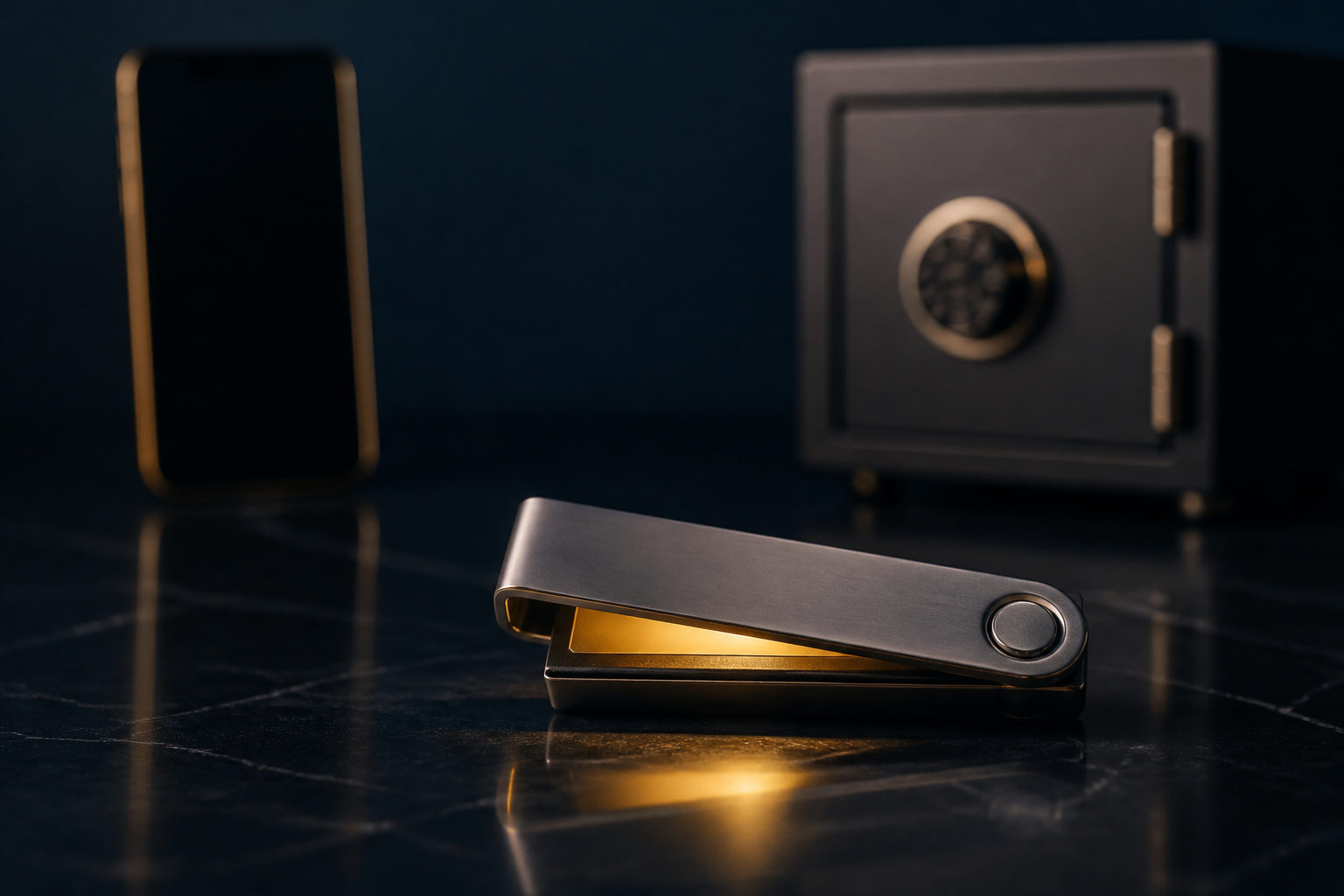
A bitcoin wallet is a tool for managing private keys, not a box that stores coins. If you understand that one point, the rest of bitcoin wallet basics becomes much easier to follow.
What a bitcoin wallet actually holds
Many beginners picture a bitcoin wallet as the crypto version of a bank app or a leather wallet. That comparison helps at first, but it misses the technical core: bitcoin itself is tracked on the blockchain, while the wallet manages the credentials that give you control.
The most important credential is the private key. Whoever controls the private key can authorize spending from the related address. Public addresses are meant to be shared for receiving funds, while private keys and recovery phrases must stay secret.
How a bitcoin wallet works
To explain how a bitcoin wallet works, it helps to break the process into a few steps. The wallet generates keys, derives addresses, receives incoming transactions, and signs outgoing ones.
When someone sends bitcoin to your address, the blockchain records that transaction. When you want to send bitcoin out, the wallet uses your private key to sign the transaction and prove that you are allowed to spend those funds. The signed transaction is then broadcast to the network, and miners can include it in a block, which is produced about every 10 minutes.
That is why a wallet is better described as a key manager and signing device than as a storage vault. The distinction matters, because it shapes how you think about custody, backups, and security.
Hot wallets, cold wallets, and custodial wallets
Hot wallets
A hot wallet is connected to the internet. Common examples include mobile apps, browser extensions, and desktop software. They are popular because they make everyday transactions quick and simple.
The trade-off is exposure. A connected device can run into phishing pages, malicious software, compromised browsers, or account takeovers. For small, frequent use, many people accept that risk, but it should not be ignored.
Cold wallets
A cold wallet keeps private keys offline as much as possible. In practice, this often means a dedicated hardware device or another setup that signs transactions without leaving the key in a constantly connected environment.
Cold storage is often preferred by long-term holders, but it is not automatic protection. Poor backups, unsafe setup practices, or entering a recovery phrase into the wrong interface can still lead to loss.
Custodial wallets
A custodial wallet is managed by a platform that holds the private keys for you. From the user side, this can feel familiar: you log in, view a balance, and request transfers through an account interface.
The convenience comes with less direct control. If the provider freezes withdrawals, limits access, or your account is compromised, you may not have the same level of authority you would have with a self-custody wallet.
Do you need a bitcoin wallet?
That depends on what you want from bitcoin. If you only want basic exposure through a platform, a custodial setup may feel easier. If you want direct control over your holdings, a self-custody bitcoin wallet becomes a practical requirement.
Some users split their approach. A hot wallet can handle small day-to-day amounts, while a cold wallet may fit longer-term storage. The better question is not just which wallet looks easiest, but who controls the keys, how recovery works, and whether your setup matches your risk tolerance.
- Frequent spending usually favors convenience
- Long-term holding usually favors stronger key isolation
- Beginners should learn backups before moving larger amounts
- Large balances call for stricter recovery and device security
FAQ
What is a crypto wallet compared with a bitcoin wallet?
A crypto wallet is the broader category. It may support many assets and networks, while a bitcoin wallet is focused on receiving, holding, and sending BTC.
If bitcoin is your only goal, a wallet built around BTC can be easier to understand. More supported assets do not always mean a better fit.
Does a wallet store bitcoin or just the keys?
In technical terms, the wallet stores or accesses the keys, not the coins themselves. The blockchain keeps the record of ownership and transaction history.
This is also why backups matter so much. Reinstalling an app does not restore control unless you still have the recovery information.
Should a beginner start with a hot wallet or a cold wallet?
For learning, a hot wallet is often the simpler starting point. It lets you practice receiving funds, checking addresses, making small transfers, and understanding the basic flow.
If your goal shifts toward longer-term holding, a cold wallet may make more sense. That move works best once you are comfortable with backup and recovery steps.
Is a custodial wallet enough for most people?
For some users, yes, especially if convenience matters more than direct control. A custodial service can reduce the burden of key management and make access across devices easier.
Still, it changes the trust model. You depend on the provider's policies, security, and account systems rather than your own private key control.
What should I check before choosing a bitcoin wallet?
Start with custody. Find out whether you control the private keys, how backups are handled, and what the recovery process looks like if your device is lost.
After that, look at your own habits. The best wallet is usually the one whose security model matches the way you actually use bitcoin.
Before moving meaningful funds, test the full process with a small amount: receive bitcoin, verify the address, back up the recovery phrase, and confirm that you can follow the wallet's safety steps without guessing.