
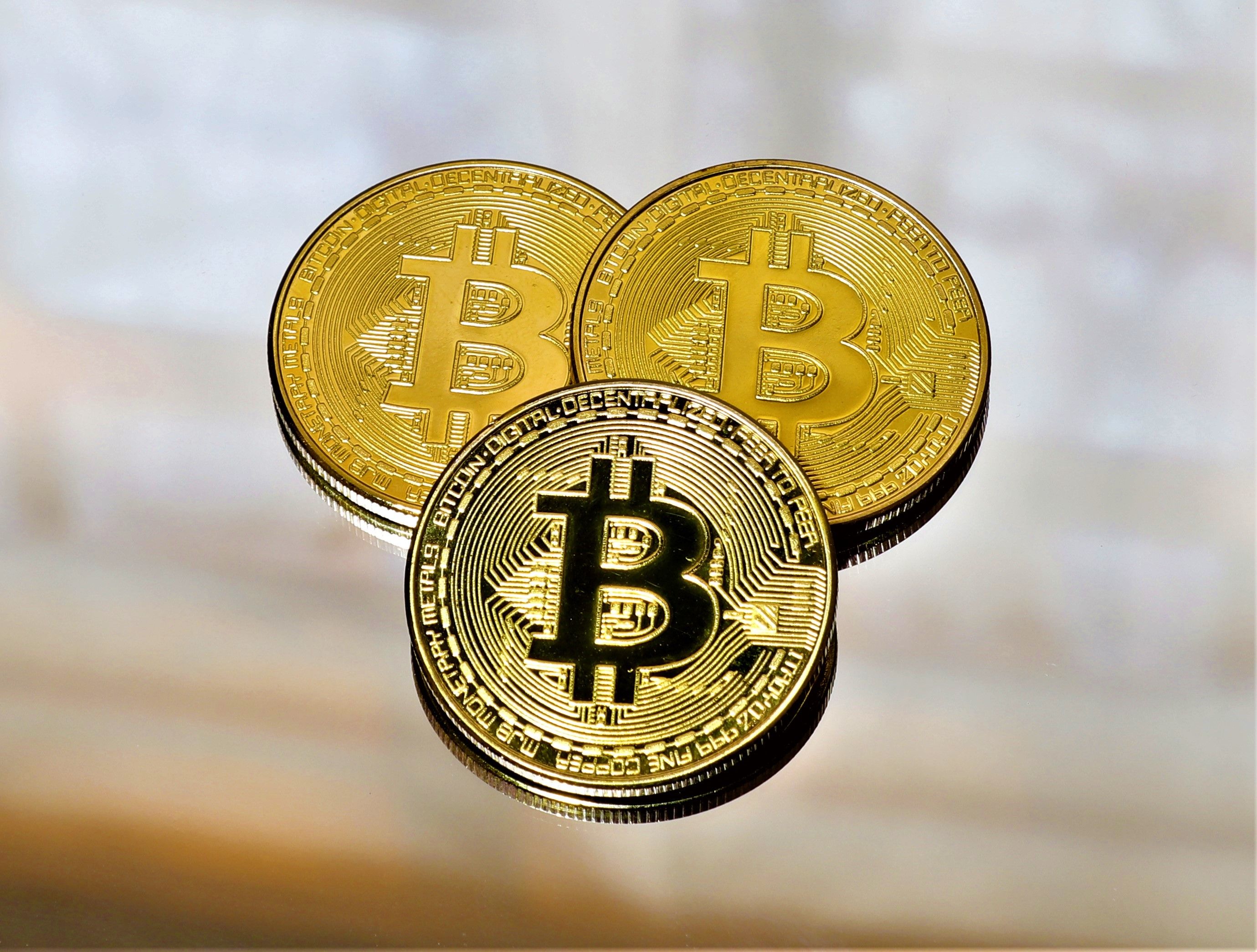
A Bitcoin Lightning Address is a human-readable identifier for receiving bitcoin over the Lightning Network. It is not the same as an on-chain Bitcoin address, and using it as if it were one can lead to failed payments, wallet mismatch, or avoidable custody mistakes.
What a Bitcoin Lightning Address actually does
The easiest way to think about it is this: a Lightning Address is a payment handle, not a standard blockchain address. A regular Bitcoin address is usually a long string of characters used for on-chain transfers. A Lightning Address is designed to be easier to share, easier to recognize, and better suited for repeat payments over Lightning.
That difference matters because the payment flow is different. On-chain bitcoin transactions are broadcast to the Bitcoin network and recorded in blocks. Lightning payments move through the Lightning Network, where supported wallets and services handle the payment request in a different way. In practice, the Lightning Address acts as a simple front door that lets compatible software generate the information needed to receive a Lightning payment.
This is where many beginners get tripped up. They see the word “address” and assume any bitcoin wallet can send to it. That is not safe to assume. Whether a payment works depends on both sides using compatible Lightning tools and choosing the correct network when sending.
Lightning Address vs on-chain address vs Lightning invoice
If you want to use a Bitcoin Lightning Address without confusion, separate it from two other things: an on-chain Bitcoin address and a Lightning invoice. All three relate to receiving bitcoin, but they are not interchangeable.
How it differs from an on-chain Bitcoin address
- Different network: an on-chain address is for the Bitcoin base layer, while a Lightning Address is for Lightning payments.
- Different format: an on-chain address is usually a long string, while a Lightning Address is made to be easier for people to read and share.
- Different payment flow: on-chain transfers rely on blockchain confirmation; Lightning payments rely on a supported Lightning payment process.
- Different failure points: on-chain mistakes often involve copying the wrong address or misunderstanding fees, while Lightning mistakes often come from wallet support issues, selecting the wrong network, or service-side limitations.
How it differs from a Lightning invoice
A Lightning invoice is often created for a specific payment. It is common in one-time payments, checkout flows, and fixed-amount requests. A Lightning Address is closer to a reusable payment identifier. Instead of asking the receiver to create a new invoice every time, the sender can start from the Lightning Address if their wallet supports it.
That does not mean invoices disappear. In many setups, the wallet or service still generates the payment request behind the scenes. For the user, the practical lesson is simple: sharing a Lightning Address may feel easier, but the payment still depends on wallet support and the correct Lightning flow in the background.
How to use a Bitcoin Lightning Address safely
The basic process is simple. The part that needs more care is checking assumptions before money moves.
- Confirm that your wallet or service clearly supports Lightning Address features. “Supports bitcoin” is not enough. You need support for Lightning payments, and ideally explicit handling of Lightning Addresses.
- Get your Lightning Address from a supported wallet or service. Some custodial apps provide one automatically. Some self-custody setups require extra configuration.
- Run a small test first. Do this before using it for anything important. A small test helps confirm network selection, wallet compatibility, and whether the receiver sees the payment correctly.
- Tell the sender to verify that they are paying over Lightning. If their wallet only supports on-chain bitcoin, or if the payment screen does not make the network clear, stop there.
- Check the actual receipt on the receiving side. A sender’s screen showing “sent” is not enough by itself. The receiving wallet should also show that the payment arrived successfully.
- Keep basic records. If the payment is tied to work, a sale, or shared accounting, records matter for reconciliation and troubleshooting.
Important warning: treat Lightning payments with the same caution you would give any irreversible bitcoin action. If the network label is unclear, the amount looks wrong, or the wallet behavior does not match what you expected, stop before confirming anything.
Private keys, custody, and where responsibility really sits
The biggest misunderstanding around a Bitcoin Lightning Address is thinking that having a nice payment handle means having full control of the bitcoin behind it. That is not always true. The real question is who controls the keys, who controls recovery, and who can act when something goes wrong.
Custodial services
Custodial apps and services often make Lightning much easier to use. They may manage node operations, channels, and payment handling for you, and they may issue a Lightning Address with very little setup. The convenience is obvious, but so is the trade-off: if the service controls the funds or the recovery process, your control is limited by that service’s rules.
That means account restrictions, service changes, maintenance, or internal reviews can affect access. For someone learning the workflow, custodial tools may be a practical starting point. They should not be confused with full self-sovereign control.
Self-custody setups
With self-custody, you usually take responsibility for the wallet and its recovery material. That gives you more direct control, but it also removes the safety net of asking a provider to fix your mistakes. Device loss, bad backups, exposed recovery words, or an untested recovery plan can all turn a manageable setup into a serious problem.
A Lightning Address is only the receiving handle. The real security lives in the wallet behind it, the backup process, the device security, and your recovery discipline. Receiving funds is only one part of the job. Keeping control over time is the harder part.
Common risk points to watch
- Sending on the wrong network: treating a Lightning Address like an on-chain Bitcoin address.
- Assuming compatibility: support for Lightning invoices does not always mean support for Lightning Addresses.
- Relying on screenshots: “Payment sent” on one device is not the same thing as confirmed receipt on the other side.
- Ignoring backups: this is especially dangerous with self-custody.
- Confusing an account with a wallet: seeing a balance in an app does not always mean you hold the same level of control.
Practical checklist before you use one
If you plan to start using a Bitcoin Lightning Address, this checklist is more useful than memorizing technical terms.
- Decide your use case first: occasional personal payments and ongoing public-facing receipts may call for different wallet choices.
- Check support on both sides: the receiving wallet may support Lightning Address features even if the sender’s wallet does not.
- Always start with a small test: test the path before using a meaningful amount.
- Review your backup setup: if you use self-custody, make sure your recovery material is stored safely and can actually be found when needed.
- Confirm the network before sending: make sure the payment flow is Lightning, not on-chain bitcoin.
- Do not let others manage your recovery material: convenience here can create lasting risk.
- Keep transaction notes when needed: this matters for business use, shared operations, and later reconciliation.
One habit is especially useful: if the wallet interface is vague, pause. If the app does not clearly tell you whether you are using Lightning, whether it recognizes the Lightning Address, or whether the payment can proceed, that is a warning sign, not a detail to wave away.
FAQ
Can I use a Bitcoin Lightning Address like a normal BTC address?
No. A Bitcoin Lightning Address is meant for Lightning Network payments, not standard on-chain bitcoin transfers. The sender needs a wallet that supports the right payment flow and the correct network selection.
Does having a Lightning Address mean I control the private keys?
Not necessarily. That depends on whether you use a custodial service or a self-custody wallet, and whether the recovery material is actually under your control.
Is a Lightning Address better than a Lightning invoice?
They serve different purposes. A Lightning Address is often more convenient for repeated or public-facing payments, while a Lightning invoice is often clearer for one-time payments or fixed-amount requests.
What is the biggest mistake first-time users make?
The most common one is assuming all bitcoin wallets handle Lightning the same way. Another frequent mistake is skipping a small test payment and discovering compatibility problems only after trying a real transfer.
Where should I check the live bitcoin price before paying?
You can check a major market data platform or a reputable wallet interface that shows BTC pricing. Price checking is separate from payment safety; the more urgent checks are network choice, wallet compatibility, and who controls the receiving setup.
If you are going to use a Bitcoin Lightning Address today, do three things first: verify that your wallet clearly supports it, understand who controls the keys or account access, and send a small test before any serious amount. If any of those points are unclear, do not proceed with a full payment.