
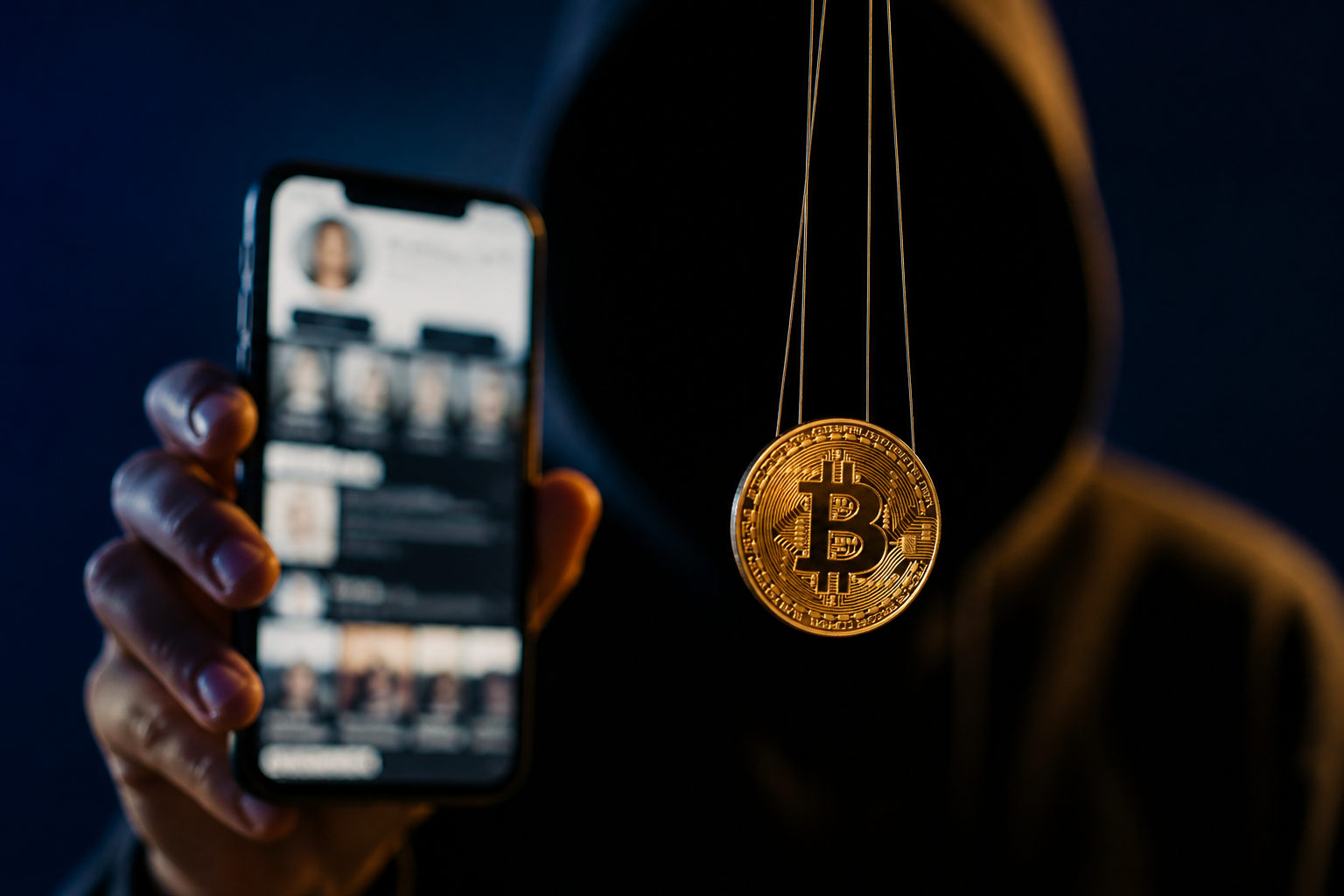
If you are asking whether Elon Musk is giving away bitcoin, the practical answer is usually no. In most cases, these posts, livestreams, messages, and giveaway pages are scams built around a famous name to get you to send bitcoin, pay a fake fee, or hand over account or wallet access.
Why this claim should trigger suspicion right away
The formula is simple. A well-known public figure grabs attention, bitcoin adds urgency and money appeal, and the scammer inserts a time limit so you feel pressure before you verify anything. That combination works because many people have heard of bitcoin, but fewer people are fully comfortable with how crypto transfers, wallet approvals, and fake promotional pages work.
The most important part is this: a bitcoin transaction is generally not something you can easily reverse after sending it. So if a page says you must send bitcoin first in order to receive more later, the risk is already high before you examine any other detail.
A famous name does not make the offer credible. In fact, scammers prefer recognizable names because they lower your guard. Once you see a familiar face or quote, you may stop asking the basic question that matters most: why would a real giveaway require me to send funds first?
How these fake bitcoin giveaways are usually packaged
Not every scam page looks sloppy. Some are dressed up as event promotions. Some appear next to edited video clips. Some are inserted into fake livestream overlays with comments, countdown timers, and supposed payout records. The design goal is not accuracy. It is speed. The scam only needs to hold your trust long enough for you to act.
Common patterns
- Send first, receive more later: You are told to send bitcoin to a listed address and promised a larger amount in return.
- Verification fee: The scam says you must pay a network fee, activation fee, or processing fee before the giveaway is released.
- Fake support staff: A chat agent guides you step by step so you do not pause to verify the claim elsewhere.
- Phishing page: The site looks like a real platform or event page but exists to collect login details or wallet approvals.
- Wallet connection request: Instead of asking for a transfer immediately, the page asks you to connect a wallet and sign a request you do not fully understand.
That last version can be especially dangerous because it does not always look like a payment request. It may look like a claim button, a registration step, or a wallet check. If the underlying request gives permission to move assets, the result can be just as harmful as sending bitcoin outright.
Scammers also manufacture social proof. They may show scrolling messages, fake payout confirmations, copied verification badges, or comments claiming that other users already received bitcoin. None of that proves the offer is real. It only shows that someone built a convincing scene.
How to check whether the claim is real
Do not judge the claim by views, reposts, or how polished the page looks. Judge it by whether you can verify it outside the path the promoter gives you. Once you leave the scam page and stop using its links, many of these claims fall apart quickly.
A practical verification process
- Start with the mechanism: If the offer requires you to send bitcoin, pay a fee, or expose sensitive access before receiving anything, treat it as suspicious.
- Do not rely on screenshots: A verification badge in an image means little. Images, overlays, and chat captures are easy to fake.
- Check the account independently: Go back to the platform itself and inspect the account history, posting style, and consistency instead of trusting a single shared image or clip.
- Inspect the site carefully: Strange spelling, awkward instructions, missing pages, broken buttons, and vague terms often point to a phishing setup.
- Pause at any wallet signature: If you do not understand what a signature request does, do not approve it.
A common mistake is to think public visibility equals legitimacy. It does not. A post can trend and still be fake. A stream can look live and still be a reused or edited video. A page can rank in search results and still be a trap. Verification has to happen outside the scammer's frame.
Another mistake is assuming that a scam would never use such a famous person's identity. That is exactly why the identity is useful. Recognition reduces hesitation, and reduced hesitation is what the scammer wants.
If you already interacted with it, what to do next
The right response depends on what you actually did. Looking at a page is different from entering credentials, and connecting a wallet is different from sending bitcoin. The sooner you stop and assess, the better.
You only viewed the page
If you only opened the page and did not download anything, log in anywhere, or connect a wallet, your risk is lower. Leave the page, do not save the contact details, and do not continue the conversation with any supposed support account.
You entered login details or personal information
Change passwords for the affected accounts as soon as possible and enable two-factor authentication where available. If you entered exchange credentials on a suspicious page, check for unfamiliar login activity and any changes to security settings or withdrawal protections.
You connected a wallet or signed a request
Review your wallet permissions and remove approvals you do not recognize. Keep watching the wallet for unusual activity and avoid storing important assets in a wallet that interacted with a suspicious page until you are confident you understand what was approved.
You already sent bitcoin
At that point, preserve evidence and avoid getting pulled into a second scam. Save the transaction record, receiving address, page screenshots, and message history. Be careful with anyone who promises recovery in exchange for another payment, because victims are often targeted again by fake recovery services.
That second round is common. The first fraud takes your bitcoin. The follow-up fraud takes your hope of getting it back. If someone asks for another fee to release, verify, trace, or recover the funds, step back.
Why bitcoin is so often used in celebrity scam stories
Bitcoin is widely recognized, even by people who have never owned it. That makes it useful bait. It also has a transfer model that feels unfamiliar to many newcomers, which means confusing steps can be framed as technical requirements instead of warning signs.
A string of wallet characters, a signing request, or a page full of crypto terminology can make an irrational process look official. That appearance is enough for a scammer. The goal is not to explain the process clearly. The goal is to make you assume that what you do not understand must still be normal.
If you want the cleanest rule possible, use this one: a free bitcoin giveaway that asks you to send bitcoin first is not behaving like a giveaway. Whatever name is attached to it, the logic does not hold.
FAQ
Should I join if a post says Elon Musk is giving away bitcoin
No, not unless you can verify the claim independently through a trusted channel and the process does not require you to send funds, pay fees, or approve unclear wallet requests. If you cannot verify it outside the shared post or message, walk away.
The name in the headline is not the important part. The mechanism is.
What if the video looks real and shows him speaking
A real-looking video is not enough. Clips can be reused, edited, reframed, or displayed next to fake giveaway instructions and fake wallet addresses.
The video may be real while the giveaway wrapped around it is completely fake. Treat them as separate things.
Is it safe if they only ask me to send a small amount first
No. A small amount is often used to lower resistance and get you comfortable with the first step. Once you comply, the demand can grow.
Because bitcoin transfers are generally hard to reverse, even a small test payment can still be a real loss.
If the page only asks me to connect my wallet, is that better than sending bitcoin
Not automatically. Connecting a wallet can lead to signature requests or token approvals that you do not fully understand.
If the request is unclear, stop. Only interact through channels you can verify on your own, and only after reading what the wallet prompt actually says.
Where should I check the live bitcoin price instead of trusting a giveaway page
Use the market pages of major exchanges or well-known market data sites, not screenshots inside a giveaway post and not numbers quoted by a stranger in chat. Different venues may show slightly different prices, but a public market page gives you a way to compare.
If a page mixes price talk with pressure to send funds to a listed address, do not trust the pricing context it provides. Leave first, then check independently.
When you see a claim that Elon Musk is giving away bitcoin, the safest move is also the simplest: do not send bitcoin, do not pay a fee, do not connect a wallet blindly, and do not enter account details on a page you did not verify on your own.
Disclaimer: This article is for informational and educational purposes only and is not investment, financial, or legal advice. Crypto assets are highly volatile and you could lose your entire investment. Do your own research and decide carefully.