
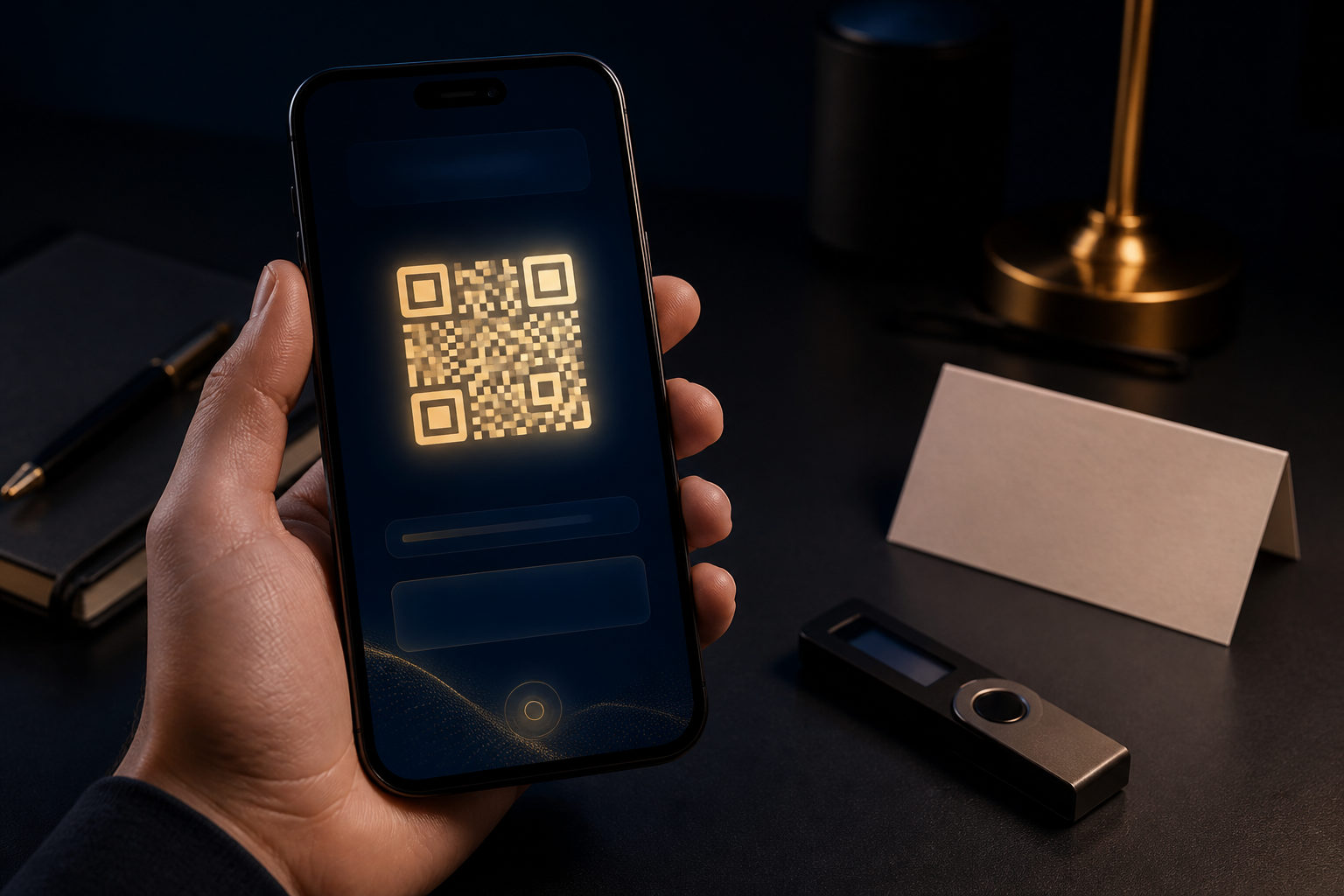
To get a bitcoin address, create a wallet that supports BTC, then open its receive screen. The address is easy to generate; the hard part is protecting your seed phrase, checking the correct network, and treating every transfer as hard to reverse.
What a bitcoin address actually is
A bitcoin address is a receiving identifier people use to send BTC to you. It is not your password, and it is not the same thing as your private key or seed phrase.
New users often mix up these terms. You can share your address with a sender, but you should never share a private key or seed phrase because that information can control the wallet itself.
Ways to get a bitcoin address
If you want to know how to get bitcoin address access in practice, there are three common paths: a self-custody wallet, a hardware wallet, or a trading platform deposit page. The safest option depends on whether you want convenience or direct control.
Use a self-custody wallet
- Choose a wallet that clearly supports Bitcoin.
- Create a new wallet inside the app or software.
- Write down the seed phrase offline and store it safely.
- Finish setup and open the receive section.
- Select BTC if the wallet supports more than one asset, then copy the bitcoin address or show the QR code.
This method gives you direct control over the wallet credentials. It also means the responsibility is yours if the seed phrase is lost, photographed, uploaded, or shared by mistake.
Use a hardware wallet
A hardware wallet is another way to get a bitcoin address, especially if you plan to hold funds for a longer period. After device setup and seed phrase backup, you can open the BTC receive screen in the companion software and generate an address.
Before using it, compare the address shown on your computer with the one shown on the device screen. That extra check can help you catch tampering by malware on the connected machine.
Use a platform deposit address
If your goal is to receive BTC into a trading account, you can usually open the Bitcoin deposit page and copy the assigned address. This is convenient, but it is not the same as holding your own keys.
In a custodial setup, the platform controls the underlying wallet system. Access, withdrawal rules, account reviews, and service interruptions can affect how and when you move funds.
Where people make mistakes
Knowing how to get bitcoin address details is only the first step. Most losses happen later, when users rush through verification or assume all wallet screens mean the same thing.
- Wrong network: make sure the sender is using BTC and the receiving screen is for Bitcoin.
- Incomplete copy and paste: check the beginning and end of the address, not just the middle.
- Using an old screenshot: some wallets show fresh receiving addresses, so rely on the live screen.
- Sharing the seed phrase: support staff, strangers, and fake helpers should never need it.
- Skipping a small test: for a first transfer to a new address, a small test transaction is a safer move.
There is also a privacy angle. A bitcoin address can be shared for payment, but blockchain activity can still be analyzed, so reusing one public address over and over may expose more of your transaction history than you expect.
Practical checklist before you use the address
If you plan to use Bitcoin more than once, build a routine. A simple checklist can prevent expensive errors.
- Use a wallet or platform that clearly states BTC support.
- Back up the seed phrase offline, not in email, chat apps, or cloud storage.
- Turn on device security and any extra wallet protection available.
- Confirm the asset and network before receiving or sending.
- After pasting the address, verify the first and last characters.
- For a first transfer, do a small test before sending a larger amount.
- If self-custody matters to you, pick a setup where you control the credentials.
One short rule matters most: an exposed address is usually manageable, but an exposed seed phrase is an emergency.
FAQ
Where can I find my Bitcoin receiving address?
Open the wallet's receive, deposit, or accept payment screen and look for the BTC section. If the wallet supports many assets, make sure you are not viewing another coin's address by mistake.
Do I get only one Bitcoin wallet address?
Not always. Many wallets can generate more than one receiving address while keeping them under the same wallet credentials.
Do I need ID verification to get a Bitcoin address?
If you create your own self-custody wallet, the main task is setup and backup, not handing control to someone else. If you use a trading platform deposit address, verification rules depend on that service and your jurisdiction.
Can I reuse the same Bitcoin address?
In many cases, yes, but some users prefer a fresh receiving address for different payments. That can make bookkeeping easier and reduce privacy exposure.
If someone knows my address, can they take my BTC?
Usually no. Knowing the address alone normally lets someone send funds to you or inspect public blockchain activity; control over the wallet comes from the private key or seed phrase.
Before you receive funds, confirm that the screen is for BTC, verify the address carefully, and make sure your backup is done. If this is your first time, send a small test first and only continue after it works.