
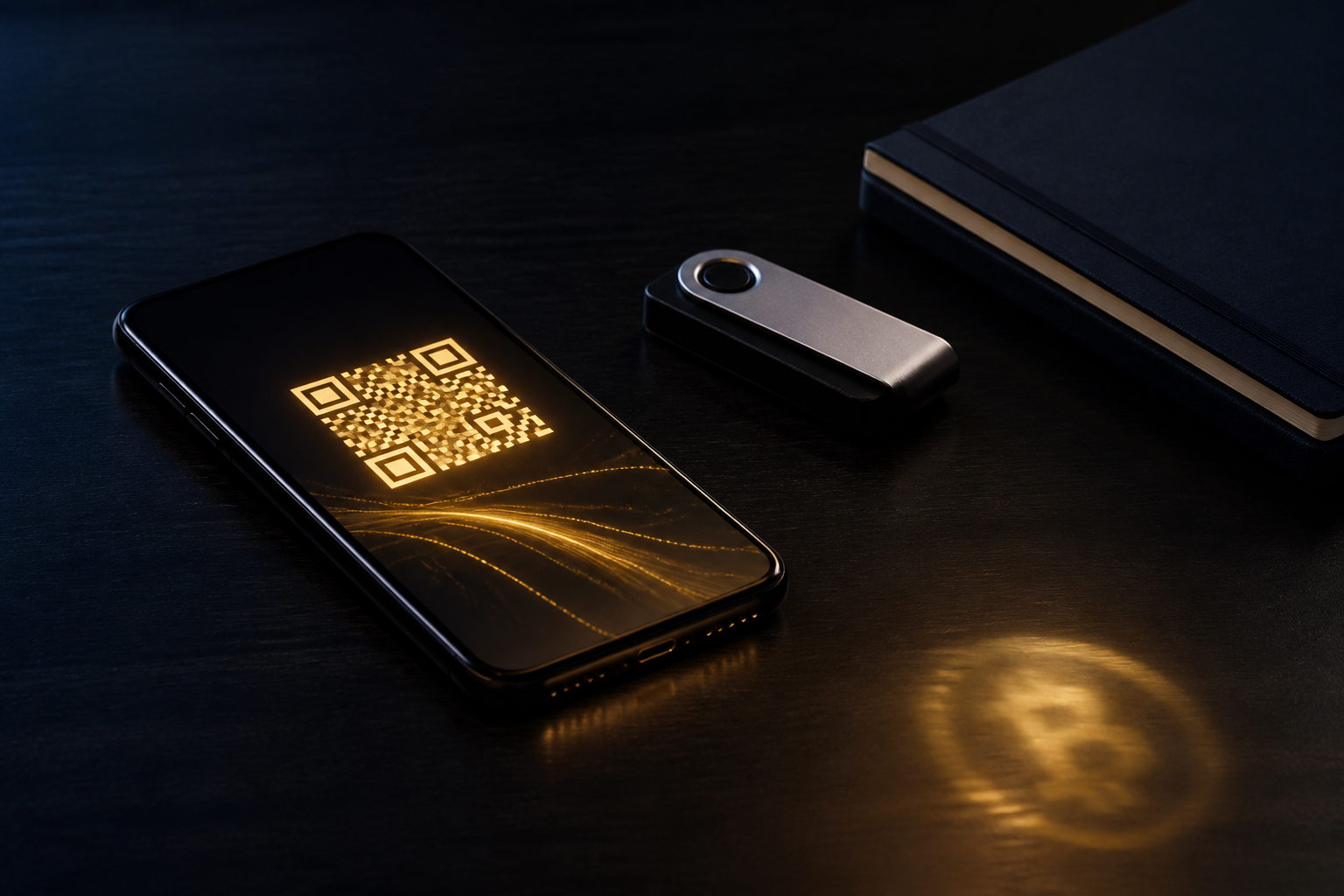
To receive bitcoin as payment, you need a wallet, a correct BTC receiving address or QR code, and a clear process for checking that the transaction reached your wallet. The part that deserves the most attention is not tapping the receive button. It is knowing who controls the private keys, how to verify the address, and why a sent transaction usually cannot be reversed.
What receiving bitcoin payment actually means
When someone pays you in bitcoin, the funds do not arrive in a bank account held under your name. The transfer is recorded on the Bitcoin network, and control over the received coins depends on the private keys tied to that wallet. Your wallet app or device is the tool that lets you view balances, generate receiving addresses, and later authorize outgoing transactions.
That distinction matters because there are two very different setups. With a custodial service, the provider holds the keys and gives you account access under its rules. With a self-custody wallet, you hold the keys yourself, so you have direct control, but you also carry the full burden of backups, device safety, and recovery planning.
Choose the right wallet before asking anyone to pay you
The best wallet for receiving bitcoin depends on what kind of payment flow you expect. Someone testing a one-time payment from a friend has very different needs from a freelancer, merchant, or creator who plans to accept BTC regularly.
- Custodial wallet or platform account: Usually easy to set up and simple for beginners. The tradeoff is that withdrawals, account reviews, login restrictions, or service policies may affect access to funds.
- Self-custody mobile or desktop wallet: Good for direct control and quick everyday use. It is convenient for showing a QR code in person or sending an address in chat, but the device itself becomes part of your security model.
- Hardware wallet: Often used for larger balances or longer-term storage. You can receive bitcoin to addresses generated by a hardware wallet, but setup and backup should be done carefully from the start.
If this is your first time, a small test transaction can save you from avoidable mistakes. It helps you confirm that you know where the receive screen is, how your wallet displays an incoming transaction, and how you would move the funds later if needed.
How to receive bitcoin as payment step by step
The receiving flow is short, but each step carries weight. A clean process reduces confusion for both you and the sender.
Open the receive screen in your wallet
Most wallets have a clear receive option. It will usually show a Bitcoin address and a matching QR code. The sender can scan the code or copy the address, depending on the situation.
Make sure the sender is paying in BTC on the Bitcoin network
This is one of the most common sources of trouble. You should state clearly that you want bitcoin, meaning BTC, and not a similarly named asset, wrapped version, or some other token. If the sender uses a service that supports many networks and coins, clarity at this stage prevents a mess later.
Avoid manual typing when sharing the address
Copy and paste or QR scanning is usually safer than reading out characters one by one. Manual entry creates room for missing characters, transposed characters, or old addresses copied from earlier conversations.
Verify the address before funds are sent
Bitcoin transactions are generally final once sent and confirmed. Check the first and last part of the address, and ask the sender to do the same. If you use a hardware wallet, rely on the address shown on the device screen when possible, since malware on a phone or computer can alter copied addresses in the clipboard.
Check your own wallet for the incoming transaction
A message from the sender saying “paid” is only a notice. Your decision to deliver goods, release files, or mark an invoice as paid should be based on what your wallet shows. Different wallets use different wording, but they all point back to the same underlying network activity.
Record the business details tied to the payment
If the bitcoin payment is for a product, freelance work, consulting, or any other service, keep a record of what the payment was for, who sent it, and what terms were agreed before payment. That information helps with bookkeeping, refunds, disputes, and tax preparation.
Where people make mistakes when they receive bitcoin
Most losses and disputes come from small operational failures, not from the Bitcoin protocol itself. The weak points are usually easy to identify in advance.
| Risk point | What can go wrong | Practical response |
|---|---|---|
| Wrong asset or wrong network | Funds may not arrive as expected, or recovery may be difficult | State clearly that you accept BTC and confirm details before payment |
| Clipboard malware or altered address | Funds get sent to an attacker-controlled address | Check the start and end of the address before the sender confirms |
| Relying on screenshots alone | You may treat an unpaid order as paid | Use your own wallet status as the source of truth |
| Poor seed phrase storage | Loss of access or theft of funds | Store backups offline and keep them away from cloud apps and chat tools |
| Shared team device with unclear roles | Address mix-ups and accounting problems | Define who can generate addresses and who can reconcile payments |
| Leaving funds on an exposed device | Phishing or malware can do more damage | Move important balances to a safer setup after receipt |
If you run a business, access control deserves extra attention. The question is not just how customers pay you. You also need to know which staff member can generate a receiving address, who can view transaction records, and who can move funds out of the wallet.
Private keys, seed phrases, and the responsibility that comes with them
If you use self-custody, receiving bitcoin is only half the job. Keeping control over it is the other half. A seed phrase is often the recovery path to the wallet, so anyone who gets access to it may be able to take the funds. If you lose it and your device fails, you may lose access yourself.
Many new users weaken their security through convenience. Taking a photo of the seed phrase, saving it in cloud notes, emailing it to yourself, or dropping it into a chat archive may feel practical in the moment. It also creates more places where the most sensitive information in your setup can leak.
Device hygiene matters too. Fake wallet download pages, malicious browser extensions, clipboard hijackers, and phishing prompts can all target the moment when you copy an address or enter recovery data. If your phone or computer is part of your wallet workflow, its security habits directly affect your funds.
There is also a longer-term issue that people skip: continuity. If bitcoin payments are part of your income, it makes sense to think about handover and inheritance. A wallet can remain technically intact while still becoming inaccessible in practice if no trusted person knows how the recovery plan works.
Receiving bitcoin as an individual versus as a business
Individuals often care most about simplicity. You may want a wallet that makes it easy to show a QR code, label incoming payments, and move funds later without confusion. If you do freelance work, agree in advance how the invoice will be settled: by a fixed BTC amount or by converting from a fiat invoice value at the time of payment. The key point is that the payment rule should be clear before the client sends anything.
Businesses need stronger process discipline. You may want separate receiving details for different orders, clients, or team workflows. Even if you do not build a complex payment system, you still need a consistent way to match each incoming bitcoin payment to the right order or service record.
Customer communication also matters more than many merchants expect. If your buyer is new to crypto, a short instruction set can prevent delays: what asset to send, where to send it, what information to send back to you after payment, and what status you treat as proof that payment has been made.
FAQ
Why does my wallet not show the payment yet?
First check that you shared the correct BTC receiving address and that the sender actually broadcast the transaction. Some wallets show an incoming payment in a pending state before it becomes more settled, so your own wallet view matters more than a screenshot from the sender.
Do I need to mine bitcoin to receive it?
No. Mining and receiving payment are different activities. To receive bitcoin, you only need a wallet that can generate a valid receiving address.
Can I reuse the same bitcoin address every time?
Many wallets allow address reuse, but a fresh address is often better for privacy and recordkeeping. It makes it easier to tell payments apart and reduces how much outsiders can link your transactions together.
Is a payment screenshot enough to treat an order as paid?
No. A screenshot only shows an image sent by the payer. You should rely on your own wallet and its transaction status before releasing goods, granting access, or marking an invoice complete.
Should I leave received bitcoin in the same wallet?
That depends on how you use it. A wallet for frequent day-to-day receipts can be fine for active operations, while more important balances are often better moved to a setup with stronger backup and storage practices.
Action checklist before you accept your first bitcoin payment
Pick the wallet model that fits your use case, then complete the backup process before you publish any receiving address. Make sure you know where the seed phrase is stored and that it is not sitting in cloud storage, chat apps, or an unprotected file. Run a small test so you understand the receive screen, incoming transaction display, and later spending flow. When you start accepting live payments, tell payers that you accept BTC only, ask them to use the exact address you provide, and treat your own wallet status as the payment checkpoint. After important receipts, update your records and move funds if a safer storage setup makes more sense.