
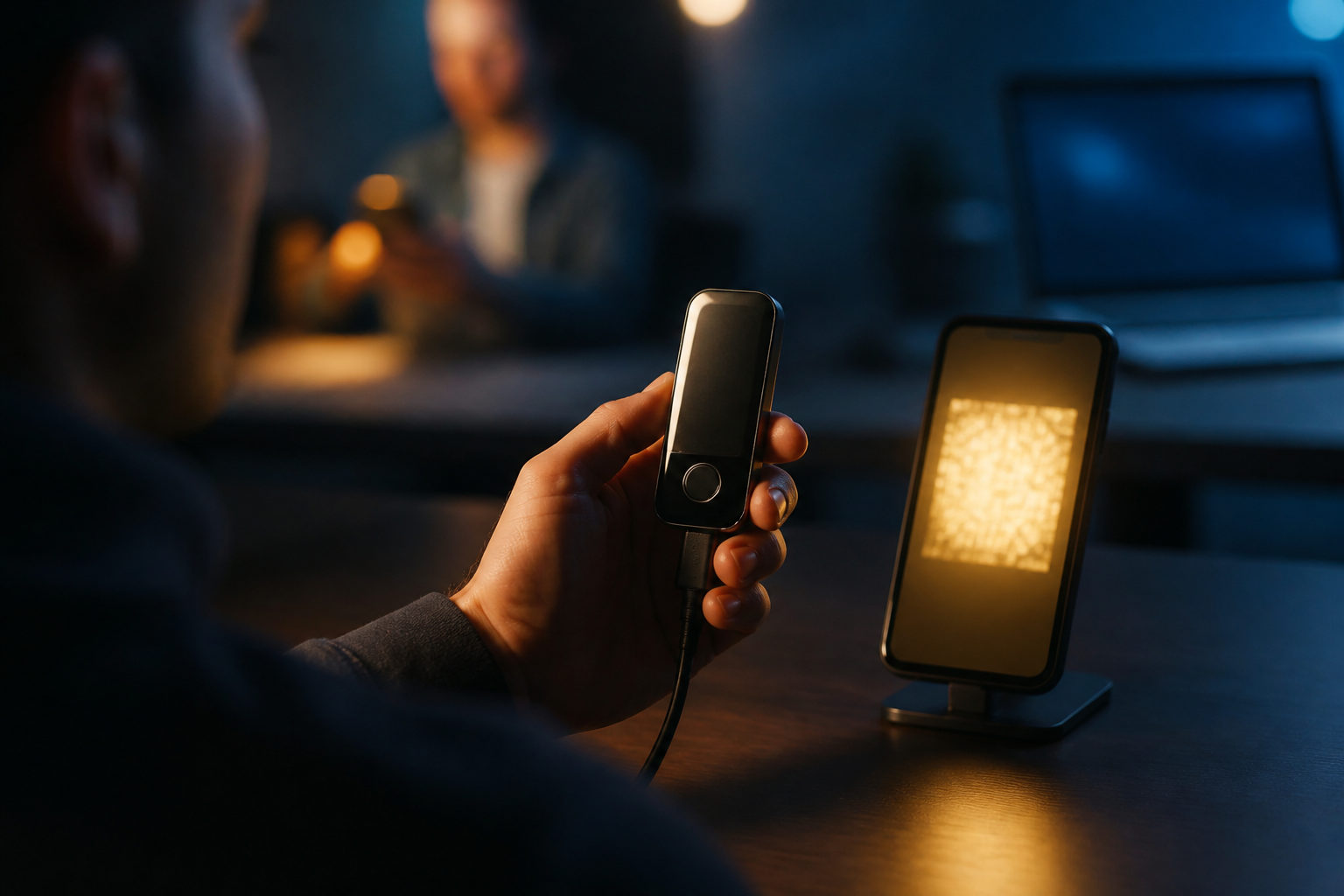
To receive bitcoin from someone, open a wallet that supports Bitcoin, copy your BTC receiving address or show its QR code, send that to the payer, and then confirm the incoming transaction in your own wallet. The real issue is not where to tap on the screen; it is understanding who controls the private keys, how to verify the address, and why a mistaken transfer usually cannot be reversed.
What receiving bitcoin actually means
When someone sends you bitcoin, the coins do not move into a chat app or get attached to a message. A transaction is broadcast to the Bitcoin network, and your wallet watches for activity tied to your receiving address. If the wallet detects a matching transaction, it shows that payment as incoming.
That sounds simple, but ownership depends on key control. If you receive bitcoin through a custodial platform, the service usually holds the private keys and shows you an account balance. If you receive it through a self-custody wallet, you control the keys and carry the full responsibility for backup and recovery.
| Method | Who controls the private keys | Best for | Main tradeoff |
|---|---|---|---|
| Exchange or custodial account | The platform | People who want convenience | Less direct control over the asset |
| Self-custody wallet | You | People who want direct ownership | You must secure backup and recovery |
Many beginners focus on the receiving address and ignore this difference. The screen may look similar in both cases, yet the risk is completely different. Before you accept any meaningful amount, decide whether convenience or direct control matters more to you.
The basic process step by step
Start by opening your wallet and finding the receive function. A proper Bitcoin wallet will generate a receiving address and usually display a QR code. Your first check is simple: make sure you are on the Bitcoin receive page, not on a page for another asset or another network.
Next, send that address to the person paying you, or let them scan the QR code from your device. Copy and paste is safer than typing the address by hand. If even a small part of the address is wrong, the payment may go elsewhere, and blockchain transfers generally do not come with a built-in undo button.
After the sender submits the transaction, your wallet may show an incoming payment quickly, or it may take time to appear. Timing depends on network conditions, the transaction fee chosen by the sender, and the way your wallet or platform displays pending activity. For in-person payments, do not rely on the sender showing you a screenshot that says the payment was sent. Check your own wallet.
| Step | What you do | Why it matters |
|---|---|---|
| Open the receive screen | Confirm that the asset is Bitcoin | Avoid giving out the wrong type of address |
| Share the address or QR code | Use copy and paste or scanning | Reduces manual entry mistakes |
| Ask the sender to verify | Have them compare key parts of the address before sending | Catches copy errors or altered clipboard data |
| Watch your own wallet | Look for the incoming transaction there | Your wallet view is more useful than a chat screenshot |
| Decide when to complete delivery | Use your own risk standard before handing over goods or services | Prevents treating an early status as final settlement |
If you are receiving payment for a product, freelance work, or an in-person sale, this last point matters a lot. Receiving a message from the payer is not the same as seeing the transaction in your wallet.
The mistakes that cause the most trouble
The most common problem is the wrong address. That can happen because someone opened the wrong wallet tab, pasted an old address from a previous conversation, or used a device infected with malware that swaps copied addresses in the clipboard. A quick visual check before sharing the address can prevent a very expensive error.
The next problem is false confidence. Some people accept a payment as complete because the sender shows a payment confirmation screen. That is weak evidence. What matters is whether your own wallet detects the transaction and whether your chosen wallet or service treats that status as usable for your situation.
Platform rules are another source of confusion. Some services assign deposit addresses in a specific way, rotate them, or show instructions that must be followed for the balance to be credited properly. Those rules are part of the service, not the Bitcoin protocol, but they still matter if you are receiving funds into that account.
With self-custody, the biggest issue is backup. If you have not written down and stored your recovery phrase safely, receiving bitcoin into that wallet may create a future problem. You could receive the funds successfully and still lose access later if your phone breaks, your computer fails, or you accidentally remove the app without a proper backup.
| Risk | What it looks like | Safer response |
|---|---|---|
| Wrong address | The address was copied from the wrong place or changed in the clipboard | Verify the address directly in your wallet before sharing it |
| Trusting screenshots | The sender says payment was sent and shows a screen capture | Check for the transaction in your own wallet |
| Ignoring platform instructions | Funds do not appear as expected in a custodial account | Follow the receive page guidance inside the platform |
| No recovery backup | You receive funds but may not recover the wallet later | Secure your recovery phrase before using the wallet for storage |
A practical safety checklist before and after receiving
If you only need to receive an occasional small payment, your setup can stay simple. If the amount matters to you, treat the whole process like asset handoff. Use a wallet from a trusted source, keep your device clean, and share the address directly from the wallet instead of retyping it in another app.
Do not give anyone your private key, recovery phrase, login code, or device access just because they claim they need it to send you bitcoin. A sender only needs your receiving address. Anyone asking for recovery details is asking for control, not helping with payment.
It also helps to agree in advance on what counts as proof of payment, especially for direct sales. In some situations, seeing the transaction appear in your wallet may be enough to continue. In others, you may prefer to wait until your wallet or service shows a stronger status before you release goods, complete delivery, or move the funds again.
| Stage | Check | Purpose |
|---|---|---|
| Before receiving | Choose your wallet type, secure backup, and locate the Bitcoin receive screen | Prepare control and recovery before funds arrive |
| When sharing details | Send the exact address or QR code without editing it | Lower the chance of a mismatch |
| After the sender acts | Look for the transaction inside your own wallet | Confirm that the payment actually entered the network |
| Before final handoff | Use your own risk standard for when to treat the payment as settled | Avoid acting too early |
FAQ
What do I send someone so they can pay me in bitcoin?
You usually send your Bitcoin receiving address or show the QR code from your wallet. Make sure it comes from the Bitcoin receive page and not from another asset inside the same app.
Someone says they sent bitcoin, but I do not see it yet. What should I check first?
Ask them to confirm that the transaction was actually submitted rather than left on a review screen. Then open your own wallet and check whether the incoming transaction appears there.
Do I need a self-custody wallet to receive bitcoin?
No. You can receive bitcoin into a custodial exchange account as well. The difference is that the platform controls the private keys, while a self-custody wallet puts that responsibility on you.
Can I reuse the same Bitcoin address?
Some wallets allow reuse and still receive funds correctly. Even so, many wallets prefer generating a fresh address for privacy and organization, so follow the wallet design and your own comfort level.
Can I forward the bitcoin right after I receive it?
That depends on the wallet or platform and on how cautious you want to be. If the payment is tied to a sale, service delivery, or a high-stakes transfer, check your wallet status carefully before you move on.
If this is your first time receiving bitcoin, the safest order is straightforward: pick the wallet type that fits your needs, secure the recovery backup, share the Bitcoin address directly from the official receive screen, and trust your own wallet view rather than chat messages or screenshots. Nobody needs your recovery phrase to send you a payment.