
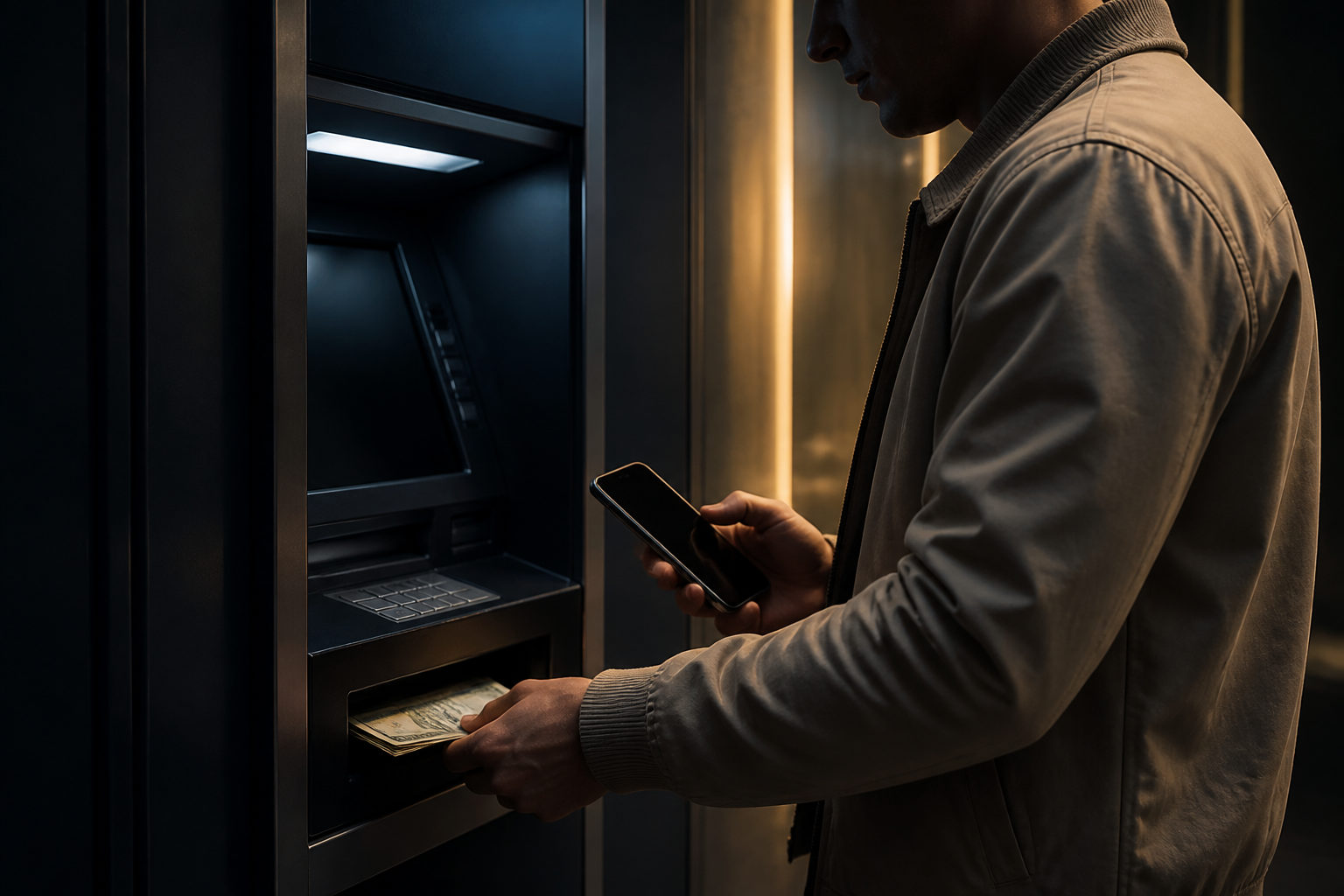
How to withdraw bitcoins anonymously has a short answer: full anonymity is rarely realistic once bitcoin touches the fiat world, but you can reduce identity exposure by separating wallets, devices, communications, and payout methods before you try to cash out.
Know what “anonymous withdrawal” actually means
People often use the phrase as if it means one thing. In practice, it covers at least two different goals: keeping on-chain activity harder to connect to your real identity, and avoiding unnecessary personal disclosure when you exchange bitcoin for fiat. Those are related, yet they create different risks.
Bitcoin transactions are recorded on a public ledger. The bigger privacy leaks often happen around that ledger: reusing the same address, discussing a trade through a personal social account, sending screenshots that reveal your usual phone number, or accepting a payout method that directly ties back to your legal identity. If you ignore those side channels, the chain itself is only part of the story.
Step 1: Decide what you are trying to do before moving any coins
Start with the endpoint. Are you trying to move bitcoin out of a custodial service into a wallet you control, or are you trying to exchange it for fiat right away? Those are not the same task, and mixing them together leads to sloppy decisions.
If your bitcoin still sits in a custodial app, trading account, or broker-like service, pause before you search for buyers. Check what that service already knows about you: account details, sign-in history, device fingerprints, withdrawal patterns, and any payment information you may have attached. Once those records exist, you should think in terms of limiting new exposure, not erasing old traces.
This is also where scammers find easy targets. Anyone promising “instant anonymous cashout,” “no questions asked,” or “private withdrawal with no checks” is appealing to urgency and secrecy at the same time. That combination should raise suspicion, not confidence.
Step 2: Move the bitcoin to a self-custody wallet first
If you have not withdrawn to a wallet you control, this is usually the cleanest next move. Self-custody matters because you control the keys, but also because you control address use, wallet separation, and what the original service can continue to observe.
When picking a wallet, focus on practical privacy features rather than marketing claims. You want control over the recovery phrase or private keys, support for generating a fresh receiving address, and clear visibility into network fees and confirmation status. A wallet that advertises “complete anonymity” should not get extra trust just for making that claim. Public ledgers do not stop being public because an app says otherwise.
Before sending a large balance, make a small test withdrawal. That confirms the address, the wallet setup, the backup procedure, and the app itself. This step protects you from several common mistakes at once: clipboard malware, fake wallet software, wrong-network confusion, and simple human error.
Step 3: Separate your trading environment from your daily identity
A lot of privacy loss comes from habits outside the wallet. If you use your normal email for bitcoin-related communication, store wallet screenshots in a cloud photo library tied to your real name, or handle a trade from the same device that stays signed in to work tools and personal accounts, you create links that other people can piece together.
A safer approach is to create distance between your routine identity and your bitcoin activity. Keep wallet backups out of chat apps. Avoid sharing screenshots that contain more than the receiving address or the exact item you need to discuss. Do not volunteer details such as your full name, home area, occupation, or usual phone number when they are not required for the transaction itself.
Address reuse deserves its own warning. If you receive funds at the same address again and again, observers have a much easier time grouping those transactions together. When your wallet supports fresh receiving addresses, use them. That will not erase public records, but it can reduce straightforward linkage.
Step 4: If you plan to cash out, treat the counterparty as the main risk
The most sensitive phase often begins when bitcoin is converted into fiat. At that point, privacy risk expands into payment risk, dispute risk, and sometimes physical safety risk. The person paying you can expose you, delay payment, reverse expectations about the process, or lure you into a setup where you lose both privacy and funds.
In a peer-to-peer trade, pay close attention to how the other side explains the flow. A serious counterparty should be able to state the payment method, the release condition, and what both sides will treat as completed settlement. If the person keeps changing the process, pushes you into disappearing-message chats, or insists you release bitcoin before your own payment channel shows final receipt, stop there.
For in-person cash deals, the issue is not the appearance of privacy. The issue is whether you can complete the exchange without exposing yourself to robbery, counterfeit cash, coercion, or being followed afterward. If you ever consider meeting someone, choose a public place with normal foot traffic and do not transfer control of the bitcoin until the payment side is truly settled according to your own verification method.
Some people prefer an escrow-style structure to reduce direct trust. If you go that route, read the dispute process before the trade begins. A common scam is to move the conversation outside the original record, then introduce new conditions once the protection of the initial setting is gone.
Step 5: Your payout method determines how much real-world identity you reveal
There is no withdrawal without some form of payout if your goal is fiat. Bank transfers typically map back to legal identity. Digital payment tools may expose a phone number, profile name, or social graph. Cash reduces some online traces, but it shifts the problem into the physical world. Privacy, convenience, and safety often pull in different directions.
If privacy is your top concern, accept the trade-offs before you start. You may have fewer counterparties to choose from, slower completion, stricter verification on your side, and less room to rush. Many bad outcomes happen because the seller gets impatient and stops checking details at the exact moment when checking matters most.
Watch for third-party payments, split payments, or payment names that do not match the person you have been speaking with. Those are not minor quirks. They can create fraud exposure, frozen funds, or later disputes that become your problem after the bitcoin is already gone.
Step 6: Keep the evidence you need, without handing over your whole life
Privacy does not mean leaving yourself defenseless. If a dispute happens, you need a basic record of what was agreed, when payment was confirmed, and when the bitcoin was released. Useful records include the time of the agreement, the key messages that define the terms, the transaction identifier, and the payout confirmation that you personally observed.
The important balance is selectivity. Save the pieces that prove the transaction. Do not overshare identity documents, home information, unrelated photo albums, or long-term personal profiles just because the other side asks for “extra assurance.” Scammers often collect far more information than the deal actually requires.
Step 7: Recognize the most common “anonymous withdrawal” scams
The first pattern is the fake off-market buyer. The person sounds experienced, claims to buy bitcoin all the time, and dangles better terms than everyone else. The process stays vague until the last moment, when they ask for an upfront deposit, a membership fee, an account verification payment, or early coin release. Once money or bitcoin moves first in their favor, they vanish or invent a new obstacle.
The second pattern is the fake support agent or fake wallet app. This usually appears after you search for private cashout methods. The scammer may say your address is abnormal, your wallet must be synchronized, or your account needs manual recovery. Then comes the real trap: they ask for your seed phrase, your private keys, or access to your device. Those requests are disqualifying on their own.
The third pattern is fake proof of payment. Screenshots of a bank transfer page, message alerts, payment receipts, or claims from a supposed finance department should never be your basis for releasing bitcoin. Your standard should stay simple: trust only the payment result you can verify through the channel you control.
The fourth pattern sells fantasy instead of a service. Any operator promising a guaranteed way to make bitcoin “fully untraceable” is selling certainty they cannot honestly provide. That kind of promise often ends with extra fees, vague instructions, and a bigger mess than the one you started with.
Practical mistakes that create avoidable exposure
One frequent mistake is trying to solve privacy with too many rushed transfers. Sending bitcoin through several addresses without a clear reason can create more records while adding confusion to your own bookkeeping. If you later need to prove what happened, the extra complexity works against you.
Another mistake is treating every privacy tool as trustworthy by default. A privacy-focused label is not proof of good security practice, honest operators, or fair dispute handling. Review what a tool asks from you. If it wants unusual permissions, broad identity access, or sensitive wallet secrets, walk away.
A quieter mistake is overtalking. People disclose too much because silence feels awkward in a trade. You do not need to explain where you live, why you want privacy, how much bitcoin you hold elsewhere, or what other wallets you use. Extra detail may feel polite, but it gives the other side material for manipulation.
FAQ
Does moving bitcoin through several addresses make the withdrawal anonymous?
Not by itself. More transfers can still leave a visible trail, and the link often reappears once the funds meet a payment method, a known account, or a device connected to your identity.
Is a face-to-face cash deal safer for privacy?
It can reduce some online exposure, but it introduces physical risks that online users sometimes underestimate. Counterfeit cash, intimidation, and being followed are all real concerns in an in-person handoff.
Why do people run into trouble after cashing out to fiat?
The weak point is often the payment side, not the bitcoin transfer itself. Third-party payments, mismatched names, unclear release conditions, and poor records can turn a completed trade into a long dispute.
Should I delete all chat logs and screenshots after the trade?
No. Keep the specific records that prove the agreement and the payment result, and avoid storing unrelated personal material. You want enough evidence to defend yourself, not a pile of extra exposure.
Can any service guarantee fully anonymous bitcoin withdrawal?
No honest service can promise that outcome in every situation. Once bitcoin is exchanged for fiat or tied to identifiable payment channels, privacy depends on your process, the counterparty, and what information is revealed along the way.
Before you move any bitcoin, write down your own non-negotiables: what payment methods you will accept, what information you will never share, and what warning signs mean the trade ends immediately. Clear limits set in advance are one of the best defenses against pressure and fraud.