
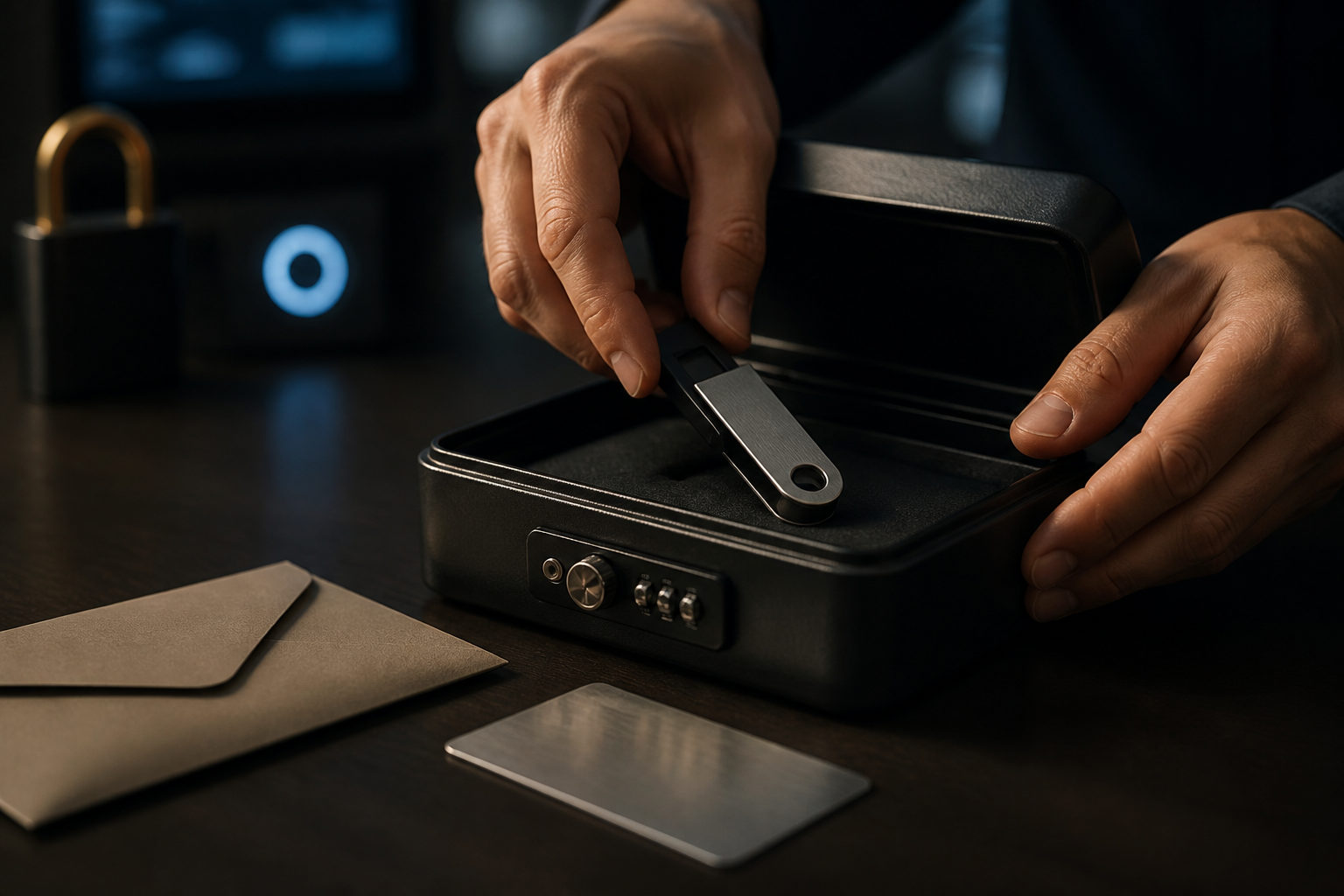
If you are searching for “how to hack bitcoin wallet,” the practical answer is not how to break into someone else’s funds. It is how Bitcoin wallets are actually compromised, what private key responsibility means, and what you should do right now to reduce the chance of losing control.
The key rule is simple: whoever controls the private key controls the bitcoin. If your seed phrase is exposed, entered on a fake screen, or stored carelessly, funds can be moved away, and those transfers are usually irreversible.
Why a Bitcoin wallet is not something people casually crack
A Bitcoin wallet is not a vault that stores coins inside an app. The bitcoin exists on the blockchain. The wallet manages the keys that let you authorize transactions.
That distinction matters. In many real incidents, attackers do not “break Bitcoin” at all. They trick users into handing over a seed phrase, install malware on a device, replace a copied address, or get access through a fake wallet interface.
Four terms people often mix up
- Private key: the secret that gives spending authority.
- Seed phrase: the human-readable backup that can restore wallet access.
- Wallet password: local app or device protection, not the same as blockchain ownership.
- Address: a public destination for receiving bitcoin, not a secret credential.
This is why searches such as “how to hack a bitcoin wallet” often lead to confusing or dangerous material. Some pages mix up legitimate recovery of your own wallet with attempts to access someone else’s funds. Those are not the same thing.
How wallets are usually compromised in the real world
The common attack paths are boring, direct, and effective. Most losses come from human error, fake software, and social engineering rather than some dramatic code-breaking event.
- Phishing pages: fake wallet updates, support forms, or reward claims that ask for your seed phrase.
- Malware: keyloggers, clipboard hijackers, and remote access tools can watch what you type and where you send funds.
- Fake apps or browser extensions: they look close enough to the real thing and ask you to import recovery words.
- Cloud exposure: screenshots in email, chat apps, or online storage expand the number of places an attacker can find your backup.
- “Helpful” strangers: people offering setup or recovery assistance may be trying to take control.
Keep this short rule in mind: no legitimate support agent needs your seed phrase.
Another mistake is assuming a strong wallet password solves everything. It helps with local access, but it does not protect you if the seed phrase has already been exposed somewhere else.
What to do if you think your wallet may be at risk
If you suspect your device is infected, your recovery words were seen by someone else, or you entered them on a suspicious page, act first and debate later. Treat it as a live security incident.
Immediate action checklist
- Stop entering passwords, seed phrases, or codes on the original device.
- Review installed wallet apps, browser extensions, and remote access tools on that device.
- Check recent transaction history for any transfer you did not authorize.
- If the wallet is still under your control, create a new wallet environment and move funds to fresh addresses you control.
- Back up the new seed phrase offline only. Do not photograph it, upload it, or send it through a messaging app.
- Verify destination addresses carefully before every transfer.
The irreversible nature of Bitcoin matters here. Before moving funds, confirm that the new wallet setup is genuine, review the receiving address more than once, and consider a small test transfer before continuing.
Hardware wallets can reduce exposure because the private key is kept away from a general-purpose internet-connected device. Even so, they are not magic. A tampered device, a fake setup guide, or careless seed phrase storage can still end badly.
How to reduce the chance of wallet compromise over time
You do not need a complicated security lab to protect bitcoin well. A small set of habits prevents a large share of common failures.
- Keep backups offline: do not leave seed phrases inside connected devices.
- Be strict about software sources: confirm the official source before installing anything.
- Separate use cases: do not keep long-term holdings in the same environment you use for routine spending.
- Review addresses carefully: do not rely only on the first and last characters.
- Limit public exposure: talking openly about your holdings can attract targeted scams.
- Understand recovery before an emergency: know the process in advance so you do not make rushed mistakes.
One more point is often missed: there is no universal Bitcoin help desk that can reverse a transfer because you changed your mind or clicked the wrong screen. Private key responsibility is part of the design. Control and risk sit together.
FAQ
Can I recover bitcoin if I forgot my wallet password?
Sometimes, yes, but it depends on what you still have. If you still control the device, wallet file, or seed phrase, recovery options may exist for your own wallet.
Can someone steal my bitcoin just from knowing my address?
Usually no. A Bitcoin address is meant to be shared for receiving funds. The sensitive items are the private key, the seed phrase, and the environment used to sign transactions.
Is remote wallet recovery help from strangers safe?
It should be treated as high risk. If anyone asks for screen sharing, unknown software installation, codes, or your recovery words, stop immediately.
Are hardware wallets completely safe from hacking?
No. They can lower exposure, but they do not protect against every failure mode. Fake devices, fake support, and bad backup practices still create serious risk.
Will searching “how to hack someones bitcoin wallet” teach real methods?
What you are more likely to find is scams, malware, or illegal material dressed up as a guide. For ordinary users, the useful lesson is how attacks happen and how to prevent your own wallet from becoming the easy target.
Do three things today: check whether your seed phrase has ever touched the internet, confirm the source of your wallet software or device, and prepare an offline backup plan you can actually follow. Those steps do more for wallet safety than chasing any “hack” ever will.