
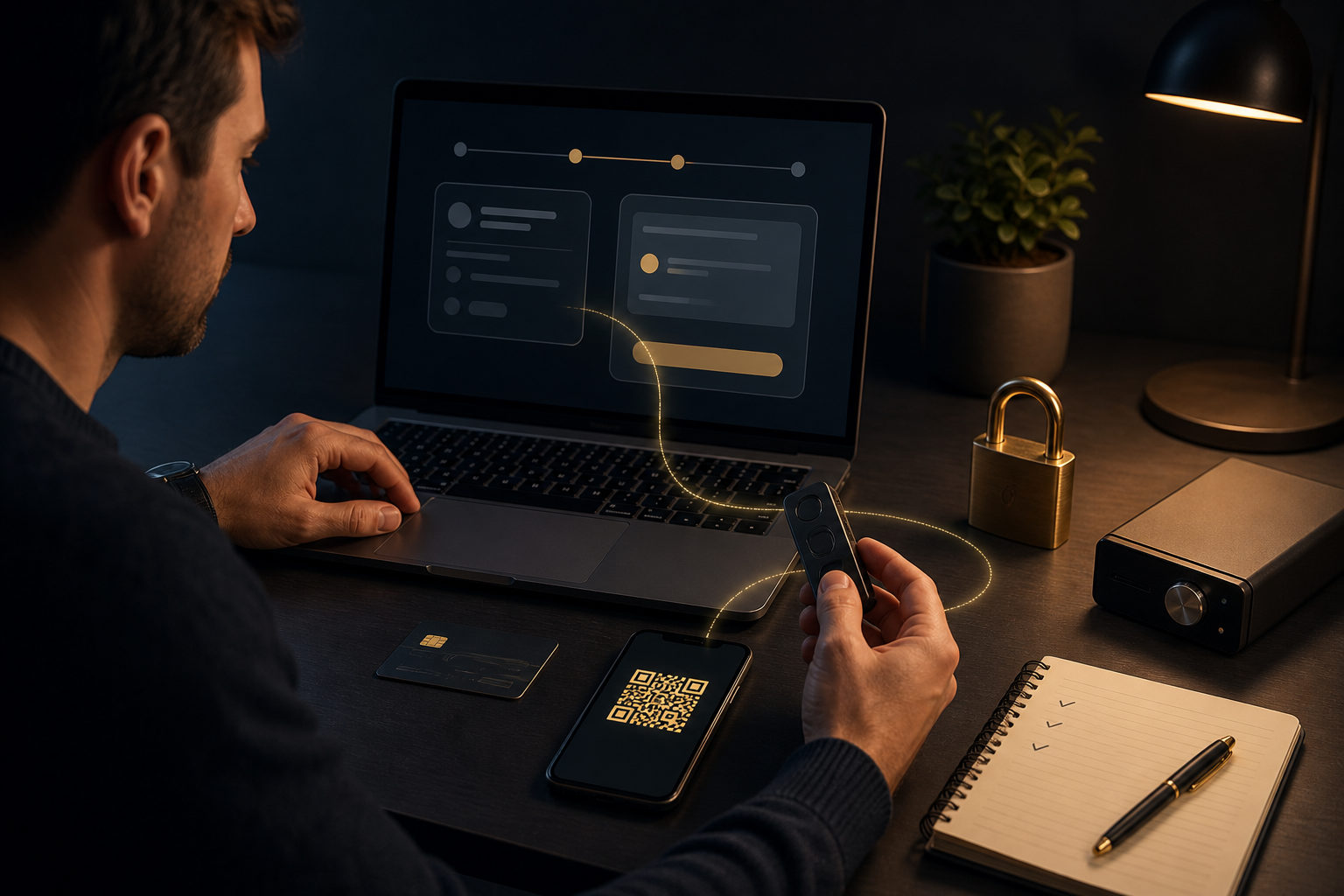
The safest way to buy Bitcoin is to secure your account first, choose a legitimate buying channel, make a small test purchase, and verify where your Bitcoin will be stored before you scale up.
Start with the real answer: safety comes from process, not hype
When people ask what is the safest way to buy bitcoin, they often expect the name of a platform. That is understandable, but it misses the bigger risk. A safe purchase is not just about where you click “buy.” It is about how you verify the site, protect your account, confirm the payment route, and take control of the coins after the purchase is complete.
Most losses do not happen because someone picked the “wrong brand” on day one. They happen because a buyer used a fake app, trusted a private message, sent money to a personal account, skipped two-factor authentication, or copied the wrong withdrawal address. If you fix the process, you remove many of the most common failure points.
For a first-time buyer, it helps to think in three layers. First, make sure you are using a real and legitimate service. Second, make sure your payment and withdrawal steps cannot be tampered with easily. Third, decide whether the Bitcoin will stay with a custodian for a short period or move to a wallet you control. That order matters.
Step 1: Choose a legitimate route and avoid private-message buying
The safest approach is to use a regulated or compliance-focused service with clear identity checks, transparent account rules, and standard security features. A much riskier path is buying through chat groups, direct messages, social media comments, “deal finders,” or people who claim they can buy on your behalf.
The reason is simple. Fraud usually starts by moving a buyer out of a visible process and into a private one. Once that happens, the normal protections are gone. You may have no reliable record of what was promised, who received the money, or what asset was actually delivered.
Before you use any service, check the basics:
- Access the service directly: type the address yourself or use a verified app store listing. Do not rely on links sent by strangers or forwarded through chat apps.
- Watch for requests to pay an individual: if someone asks you to transfer funds to a personal bank account, treat that as a major warning sign.
- Be cautious with pressure tactics: fake agents often create urgency so you skip verification. A legitimate buying flow should give you time to review what you are doing.
- Read the rules before funding the account: identity verification, deposit handling, purchase steps, withdrawals, account restrictions, and support channels should be stated clearly.
Some new buyers think face-to-face trades are safer because they can see the other person. In practice, visibility is not the same as safety. If you cannot independently verify the payment path, the asset delivery, and the identity of the other party, an in-person transaction can still go badly.
Step 2: Secure your account before you deposit any money
A common mistake is to sign up quickly, fund the account right away, and plan to improve security later. The safer order is the opposite. Lock down the account first, then move money.
At a minimum, do the following:
- Use a unique password: do not reuse a password from email, social media, or shopping sites. If one account is exposed elsewhere, reused credentials can put your Bitcoin account at risk.
- Turn on two-factor authentication: an authenticator app is usually a better choice than relying only on text messages. The goal is to add a second barrier to account access.
- Secure your email account too: many account takeovers start with the email inbox, not the trading account itself. If someone controls your email, password resets become much easier.
- Review login alerts and withdrawal protections: device management, sign-in notifications, and withdrawal confirmations can give you early warning if something is wrong.
- Use a clean device: avoid shared computers, public networks, and devices loaded with random browser extensions or unknown software.
This step matters because many losses happen after the purchase, not during it. An attacker does not need to intercept your buy order if they can get into your email later, reset your credentials, and attempt to move funds out.
There are also a few habits worth building from the start. Do not store backup codes or wallet recovery phrases in cloud notes, chat apps, or photo galleries connected to the internet. Do not let anyone “help” by taking remote control of your computer or phone. Do not install a plugin, patch, or helper app just because someone in support chat told you to do it.
Step 3: Decide where the Bitcoin will go before you buy it
Many beginners focus only on the purchase. A safer buyer thinks about storage before the first order is placed. After you buy Bitcoin, you generally have two broad choices: leave it with a custodian for convenience, or move it to a wallet you control for stronger ownership.
For people who care most about safety, a practical approach is often to separate short-term activity from long-term storage. Bitcoin you may trade soon can stay on the service temporarily. Bitcoin you intend to hold longer deserves a closer look at self-custody. The main issue is not just whether you bought Bitcoin. It is whether you still control access to it afterward.
That does not mean self-custody is automatically right for everyone. It gives you control, but it also gives you responsibility. If you use your own wallet, you need to protect the recovery phrase or other backup information properly. If you leave coins with a custodian, you are depending on that service’s security controls and operating rules.
If you plan to use your own wallet, prepare before the purchase:
- Create the wallet in advance: do not wait until you are about to withdraw funds and then try to learn everything at once.
- Back up recovery information offline: write it down and store it carefully. Do not paste it into email drafts, cloud drives, or messaging apps.
- Confirm you are receiving Bitcoin: read the withdrawal page carefully and make sure the destination is intended for Bitcoin, not another asset.
- Test first: make a small withdrawal before moving a larger amount. This confirms that your setup works and that you understand the process.
This preparation reduces a very common kind of mistake: a buyer assumes they know what to do, but the first withdrawal reveals confusion about the address, the wallet, or the asset type. A small test keeps those mistakes manageable.
Step 4: Buy in small, verified steps instead of rushing in
If you want the safest way to buy bitcoin, the answer is rarely “move everything at once.” A safer execution method is slow enough for you to verify each stage. That means clear funding, a small first purchase, a careful review of the order details, and a deliberate withdrawal plan.
A useful order of operations looks like this:
- Finish identity checks and payment setup: use payment details that match your account information and follow the service’s stated process.
- Make a small first purchase: the purpose is to test the full chain, from funding to account display to later withdrawal, not to optimize for speed.
- Read the order details yourself: verify that you are buying Bitcoin, not another asset with a similar ticker or name. Review all prompts on screen.
- Pause after the purchase: confirm that the Bitcoin appears where it should before you do anything else.
- Check the withdrawal destination carefully: if you are moving the coins, verify the address in full and test with a small amount first.
Small test purchases are useful because first-time errors are common. You may discover that you misunderstood a screen, skipped a prompt, or do not yet feel comfortable reading the withdrawal page. A small transaction gives you a chance to learn without turning a minor mistake into a major one.
There is another reason to avoid rushing. Scams often lean on convenience. Someone offers to buy for you, complete verification for you, or “save time” by using their account. That may sound easier, but it hands control to another person at the exact moment when control matters most.
Step 5: Post-purchase checks matter as much as the purchase itself
Many buyers stop paying attention as soon as the order is filled. That is a mistake. The safest process continues after the purchase with a few deliberate checks.
First, confirm where the Bitcoin is. If it remains on a custodial service for a short period, review your account protections again. Make sure two-factor authentication is still active, check recent login history if that feature is available, and confirm that withdrawal safeguards are in place. If you moved the Bitcoin to your own wallet, verify that the receipt is visible and that your backup information is stored safely.
Second, keep basic records. Save the information you may need later to review deposits, purchases, and withdrawals. The point is not to collect unnecessary data. The point is to have a clear trail if you ever need to review account activity, deal with an account issue, or organize your financial records.
Third, clean up access. Remove old devices you no longer use, revoke permissions that are not needed, and avoid staying logged in on shared or casual browsing environments. Security is not a one-time switch. It is a habit of checking your setup after every important action.
If your plan is long-term holding, a sensible practice is to separate your buying environment from your storage environment. One setup can be used for transactions. Another, more controlled setup can be used for holding. That way, a problem in one place does not automatically expose everything.
FAQ
What is the biggest mistake first-time Bitcoin buyers make?
The most common mistake is not choosing the wrong market timing. It is skipping basic security steps, such as using a fake link, sending money to an individual, or leaving the account and email poorly protected. Going slowly is usually safer than trying to finish everything fast.
Is it safe to leave Bitcoin on an exchange?
That depends on your purpose and your risk tolerance. Keeping a trading balance with a service for convenience is different from leaving long-term holdings there without a plan. If you do not expect to trade often, you should think carefully about whether self-custody makes more sense for part or all of the balance.
How can I reduce the risk of getting scammed when buying Bitcoin?
Stay inside official flows. Do not follow private-message instructions, do not transfer funds to personal accounts, and do not let anyone remotely operate your device. Claims of guaranteed profits or “special access” are not part of a safe purchase process.
How do I check that my withdrawal address is correct?
Generate the receiving address from your own wallet, paste it into the official withdrawal page, and verify it carefully before sending anything. For a first withdrawal, send a small test amount and confirm receipt before moving more.
If I only want to buy a small amount, do I still need all these checks?
Yes. Scams and account takeovers do not disappear just because the amount is small. A small purchase is actually the best time to build safe habits and test your full process.
The practical move is straightforward: protect your account first, prepare your storage plan before funding, use a legitimate service, and make a small test purchase before doing anything bigger. If anyone pushes you into private transfers, remote access, or rushed payment, stop there.
Disclaimer: This article is for informational and educational purposes only and is not investment, financial, or legal advice. Crypto assets are highly volatile and you could lose your entire investment. Do your own research and decide carefully.