Learn Crypto with Bit.Fan Academy
From beginner to advanced — master exchanges, wallets and blockchain essentials

consensus

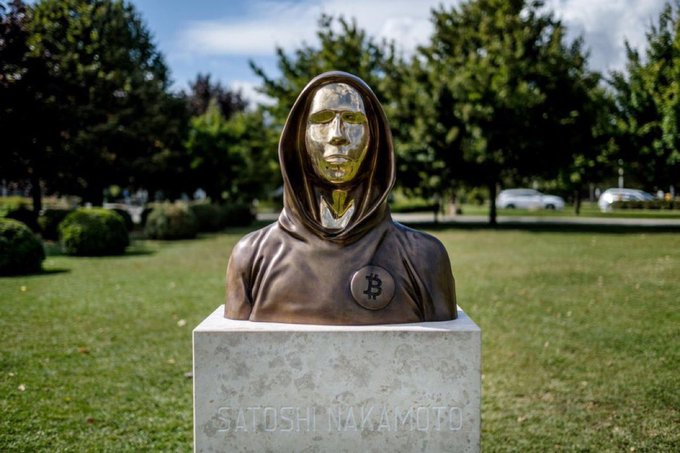
Who Invented Bitcoin and Why It Was Created
Bitcoin was introduced by the pseudonymous Satoshi Nakamoto to build a peer-to-peer electronic cash system that does not rely on a central authority.
What Is Bitcoin? Everything You Need to Know in 2026
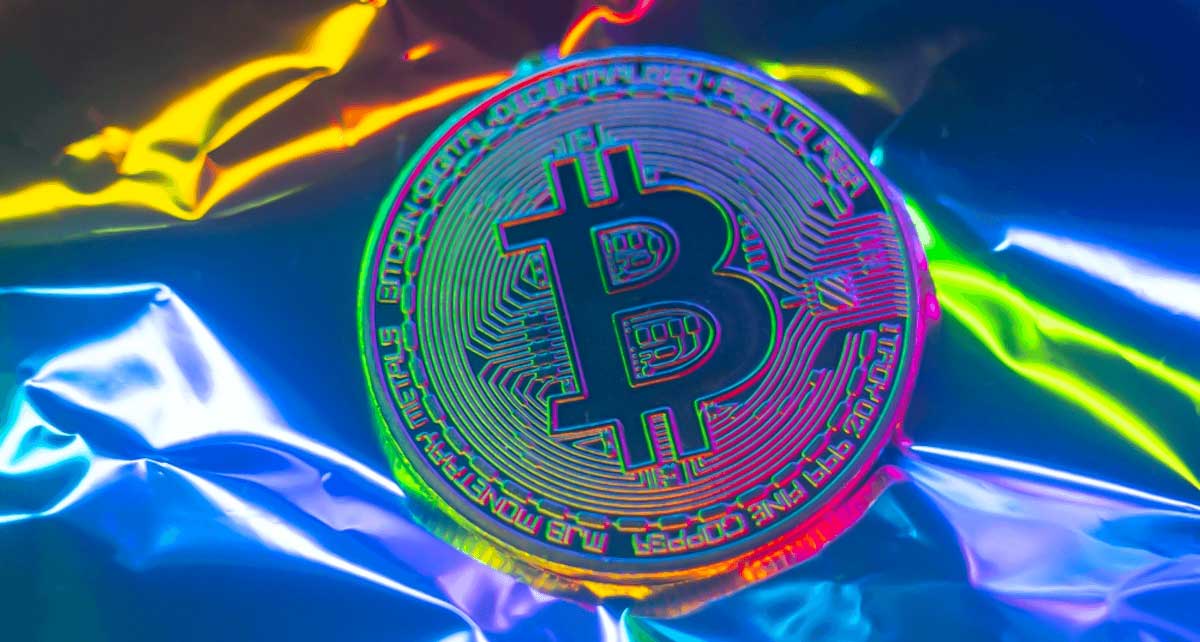
Key Takeaways Bitcoin’s supply is limited to 21 million bitcoins. By comparison, fiat currencies like the USD grow in supply, decreasing their value. The Bitcoin blockchain serves as an immutable record of transactions. By contrast, traditional finance requires banks and financial institutions to track transactions accurately. Bitcoin’s value comes in part from its security. The Bitcoin network uses proof of work as both an incentive to keep the blockchain going and a disincentive for bad actors due to the cost involved with proof of work.
Cryptocurrency vs Cash: What is The Difference?
Summary: The Difference Between Crypto and Cash Cryptocurrencies, or digital currencies, can offer a hedge against inflation, although this isn’t always the case in the short term. Which cryptocurrency you choose can make a huge difference. Cryptocurrencies like Bitcoin or Ethereum, which have a maximum or limited supply, often provide the best store of value paired with broader acceptance. Cash has the advantage of nearly universal acceptance when transacting in the local currency. However, all traditional fiat currencies lose value, and sometimes quickly. As a benefit, cash offers the most privacy when using paper bills. Your activity can’t be tracked on the blockchain and is largely shielded from data aggregation.

What is Cryptocurrency?
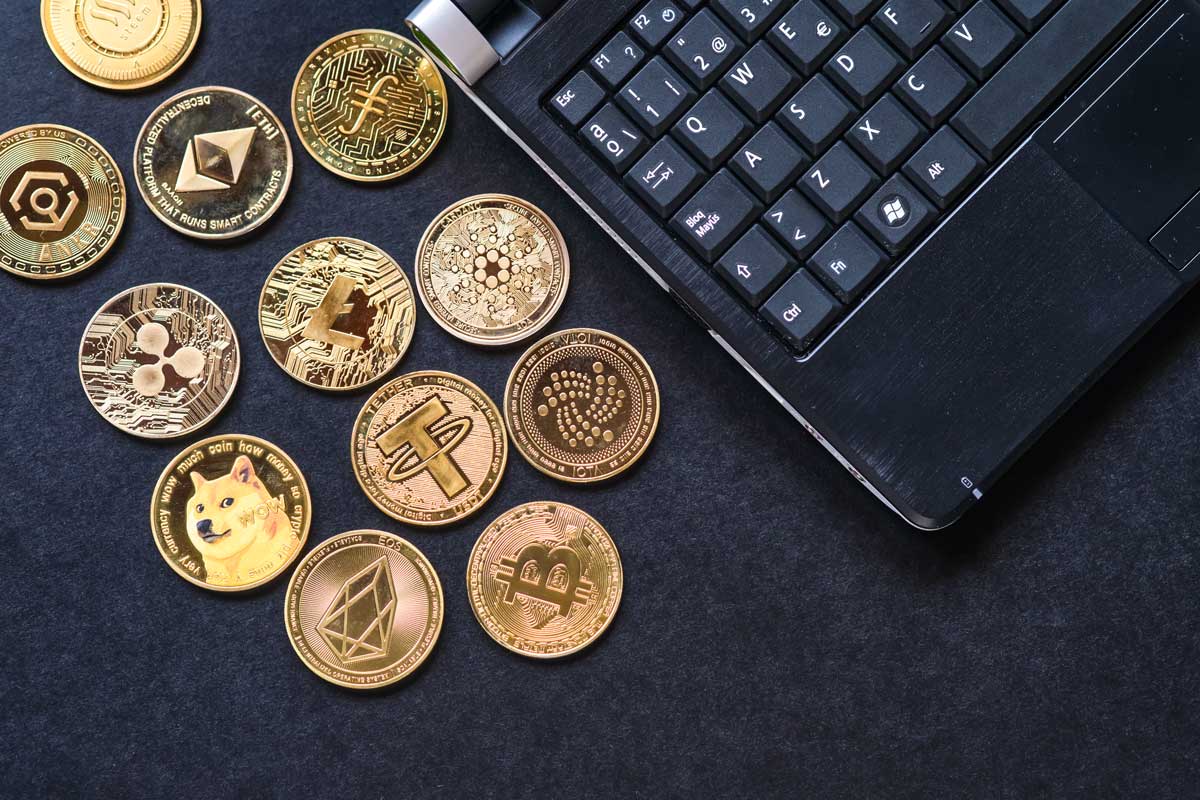
Disclosure: Crypto is a high-risk asset class. This article is provided for informational purposes and does not constitute investment advice. By using this website, you agree to our terms and conditions. We may utilise affiliate links within our content, and receive commission. You can read more about our editorial policy here. Cryptocurrency is a digital asset that functions as money, represents value, or performs a utility function on a blockchain. In this guide, we’ll explore the question, “What is cryptocurrency?” We’ll also discuss blockchains, how cryptocurrencies work, cryptocurrency exchanges, and how to use cryptocurrency. Let’s get started with some background first.
What Is a 51% Attack? Meaning, Cost, and Examples
A 51% attack happens when a single person or group controls over half of a blockchain network’s computing power. With this level of control, they can block transactions, reverse them, and even double-spend coins. It represents a big threat to the security and trust of decentralized systems. While larger networks like Bitcoin and Ethereum are better protected due to widespread mining power, smaller blockchains with fewer participants face a greater risk. Key Takeaways Both Proof-of-Work (PoW) and Proof-of-Stake (PoS) blockchains can be vulnerable to 51% attacks, but the attack method differs for each system. Successful 51% attacks enable attackers to reverse transactions and double-spend coins, which can damage trust in the network. The cost of a 51% attack varies widely; it’s generally too expensive on large networks but feasible on smaller or newer blockchains. Preventing 51% attacks often involves enhancing network decentralization, security protocols, and community participation. Real-world examples like the Bitcoin Gold and Ethereum Classic attacks illustrate the potential consequences for crypto prices and security.

What Is Wrapped Bitcoin (WBTC)?
Wrapped Bitcoin (WBTC) is a token tied to Bitcoin’s value so BTC can be used on other blockchains, but it is not native Bitcoin.

What Is Trump’s Bitcoin? The Term Usually Means This
“Trump’s bitcoin” usually is not a real coin name. It often refers to Bitcoin tied to Trump in discussion, holdings, or a Trump-themed token mislabeled as

Is Bitcoin a Token? Not in the Usual Sense
Bitcoin is usually not considered a token. It is the native asset of the Bitcoin network, while tokens are often issued on other blockchains.