From beginner to advanced — master exchanges, wallets and blockchain essentials
Bitcoin mining does not stop all at once. New coin issuance slows over time, and miners can keep producing blocks through transaction fees.
Bitcoin is a new type of electronic money because it enables direct value transfer on an open network with fixed supply rules.
Miners earn bitcoin by winning block creation and collecting block rewards plus transaction fees, but equipment and power costs shape the real outcome.
Bitcoin prevents double spending through network validation, block inclusion, proof of work, and confirmations that lock in one valid history.
Bitcoin is not doomed by default. Its future depends on security, user demand, policy pressure, and whether trust in the network rules holds up.
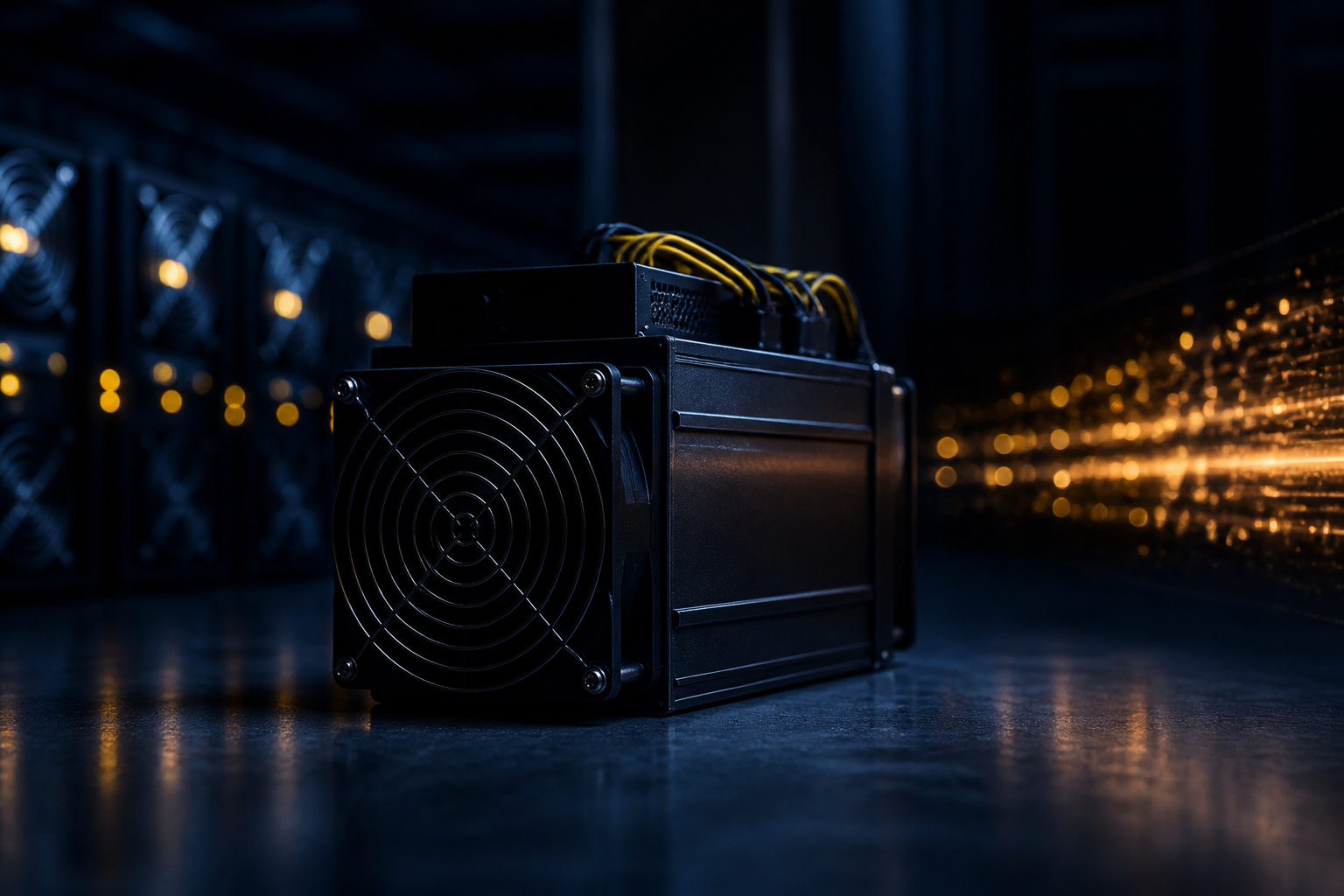
Bitcoin mining is a public race for block-writing rights. It runs on hardware, electricity, and probability, with real costs many people ignore.
Systemic divergence in bitcoin trading means price and other market systems stop moving in sync, which can signal trend stress and higher risk.
This full dissection of Bitcoin explains what Bitcoin is, how it works, why it has value, and where its limits actually are.