From beginner to advanced — master exchanges, wallets and blockchain essentials
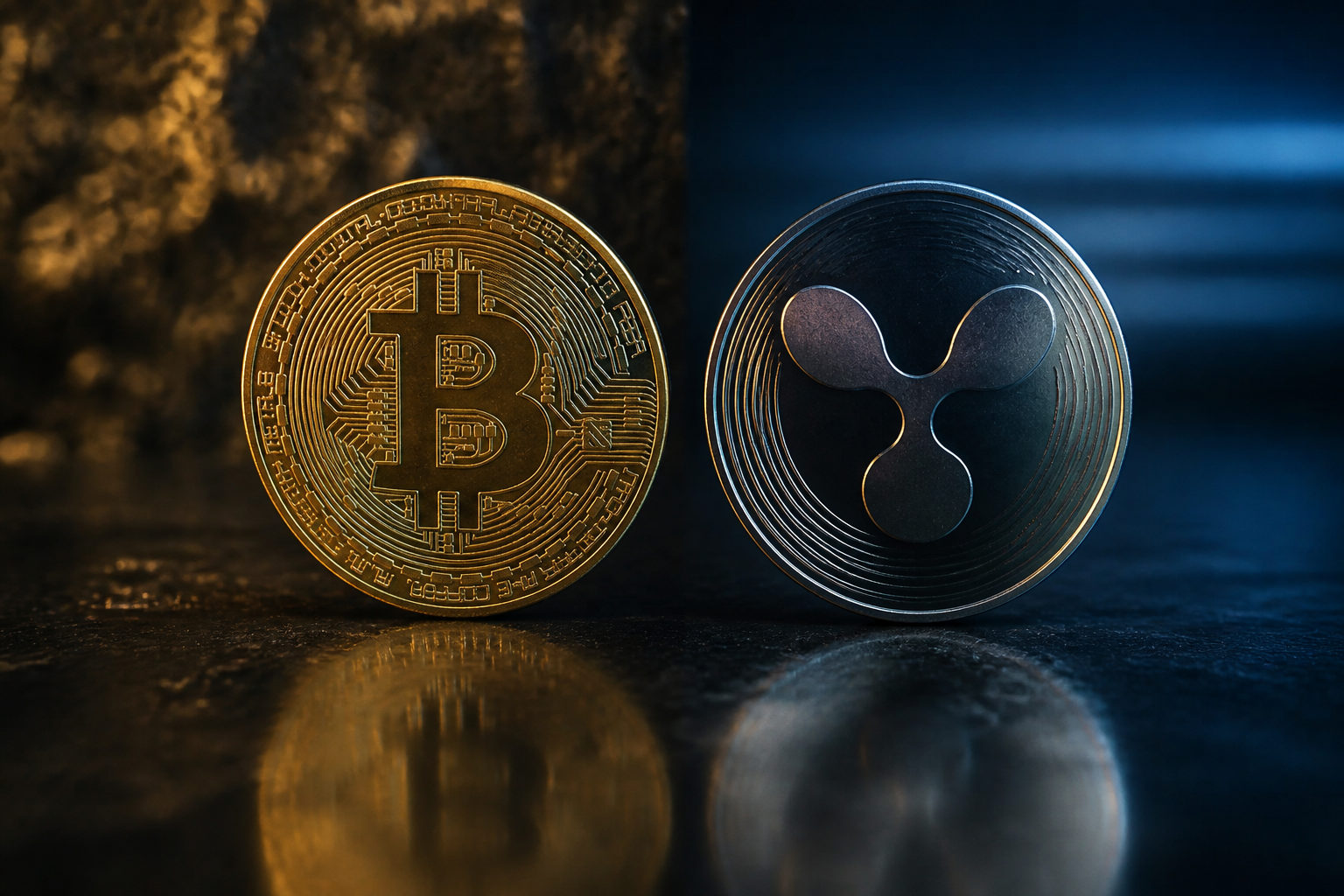
XRP and Bitcoin are often compared, but they serve different roles. Here is how they differ in purpose, design, decentralization, and risk.
Bitcoin’s competitor is not one coin. It can be any crypto asset that competes with Bitcoin for store-of-value demand, payments, or investor attention.
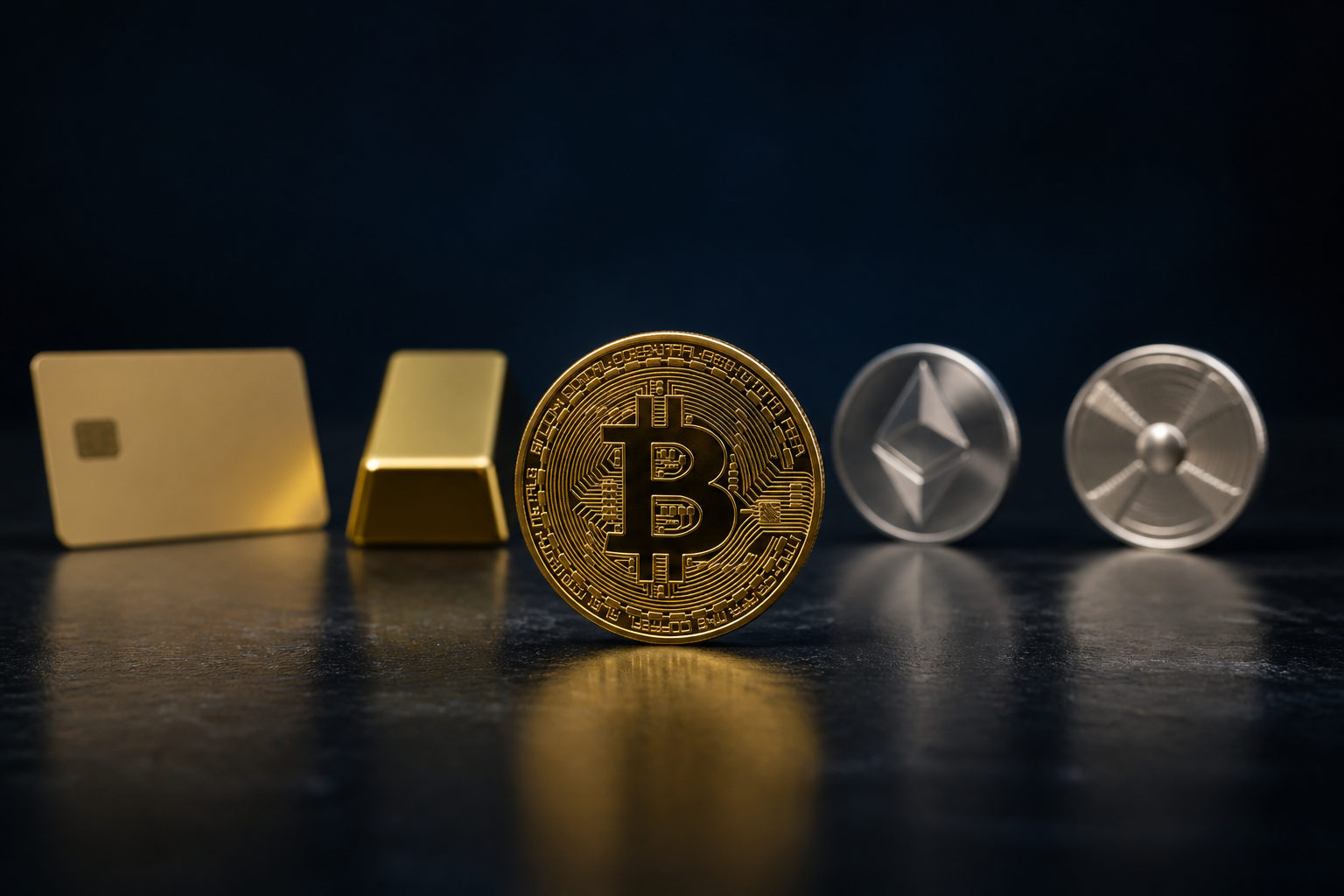
Bitcoin’s competition includes more than other coins. It competes with payment networks, stablecoins, gold, cash, and other blockchains by use case.
Bitcoin is often treated as a commodity because it does not represent company equity or debt, and its price is shaped mainly by market supply and demand.
Is bitcoin a currency or commodity? It has traits of both: a payment network on one side, a traded scarce asset on the other.
Bitcoin is not a traditional commodity in the classic sense. It trades like one in some markets, but it functions more like a scarce digital asset.
Bitcoin is often treated as a commodity-like asset, but the answer depends on the legal context, product structure, and use case.
Bitcoin is commonly treated as a tradable digital commodity, though its legal and practical classification can change by context.