Bit.Fan Crypto Academy

Learn Crypto with Bit.Fan Academy

From beginner to advanced — master exchanges, wallets and blockchain essentials

private keys

Is Bitcoin Often Used for Cross-Border Payments?

Bitcoin is used for cross-border payments in some cases, but frequency depends on acceptance, compliance, fees, and fraud risk. Test with a small transfer

Is Bitcoin Often Used for Cross-Border Payments?

Why Buying Bitcoin Feels Like a Pain
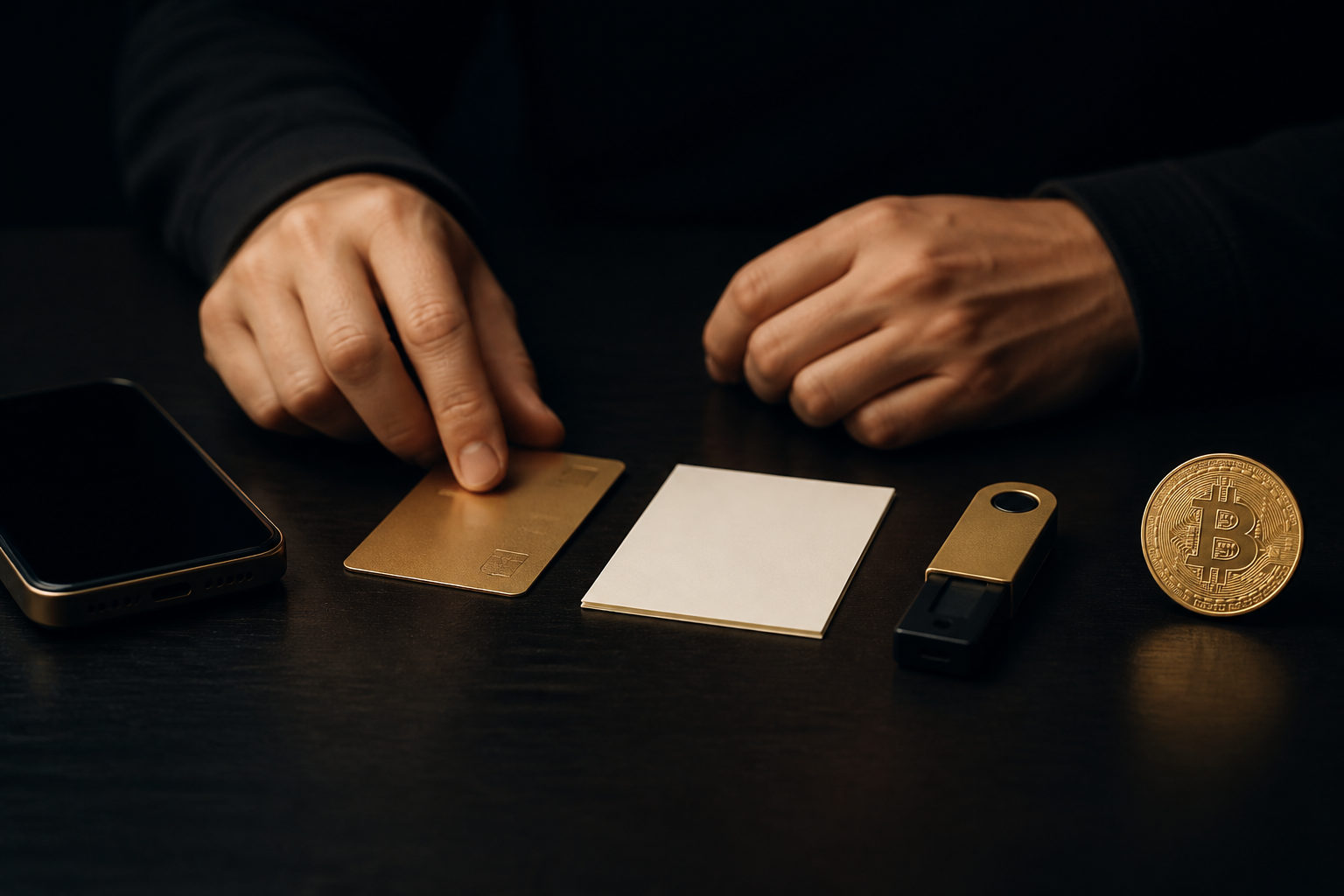
Buying bitcoin feels like a pain when each step affects security and control. This guide breaks the process into safer, clearer actions.

Why Buying Bitcoin Feels Like a Pain

Does a Bitcoin ETF Count as a Digital Asset?
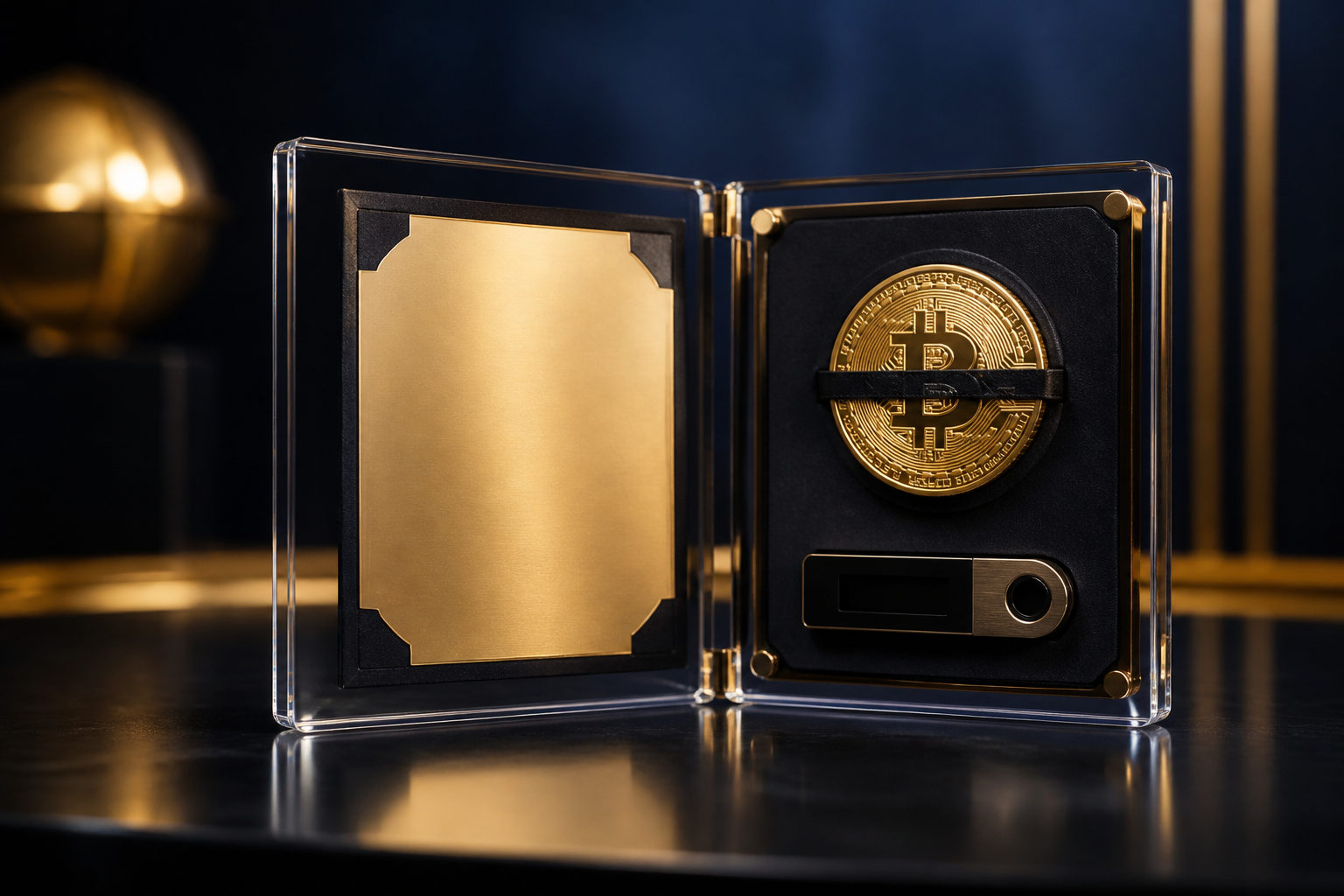
A Bitcoin ETF usually does not mean you directly own a digital asset. The key question is whether you hold fund shares or Bitcoin you can control.

Does a Bitcoin ETF Count as a Digital Asset?

Is iShares Bitcoin Trust ETF a Digital Asset?

iShares Bitcoin Trust ETF is usually not the digital asset itself. Investors buy ETF shares, not bitcoin they can move, store, or control on-chain.

Is iShares Bitcoin Trust ETF a Digital Asset?

Is Bitcoin a Hard Asset? What Actually Matters

Bitcoin can be treated as a hard asset if you focus on scarcity and resistance to dilution, but volatility and custody change the picture.

Is Bitcoin a Hard Asset? What Actually Matters

How Bitcoin ETF Issuers Custody Their Underlying Assets
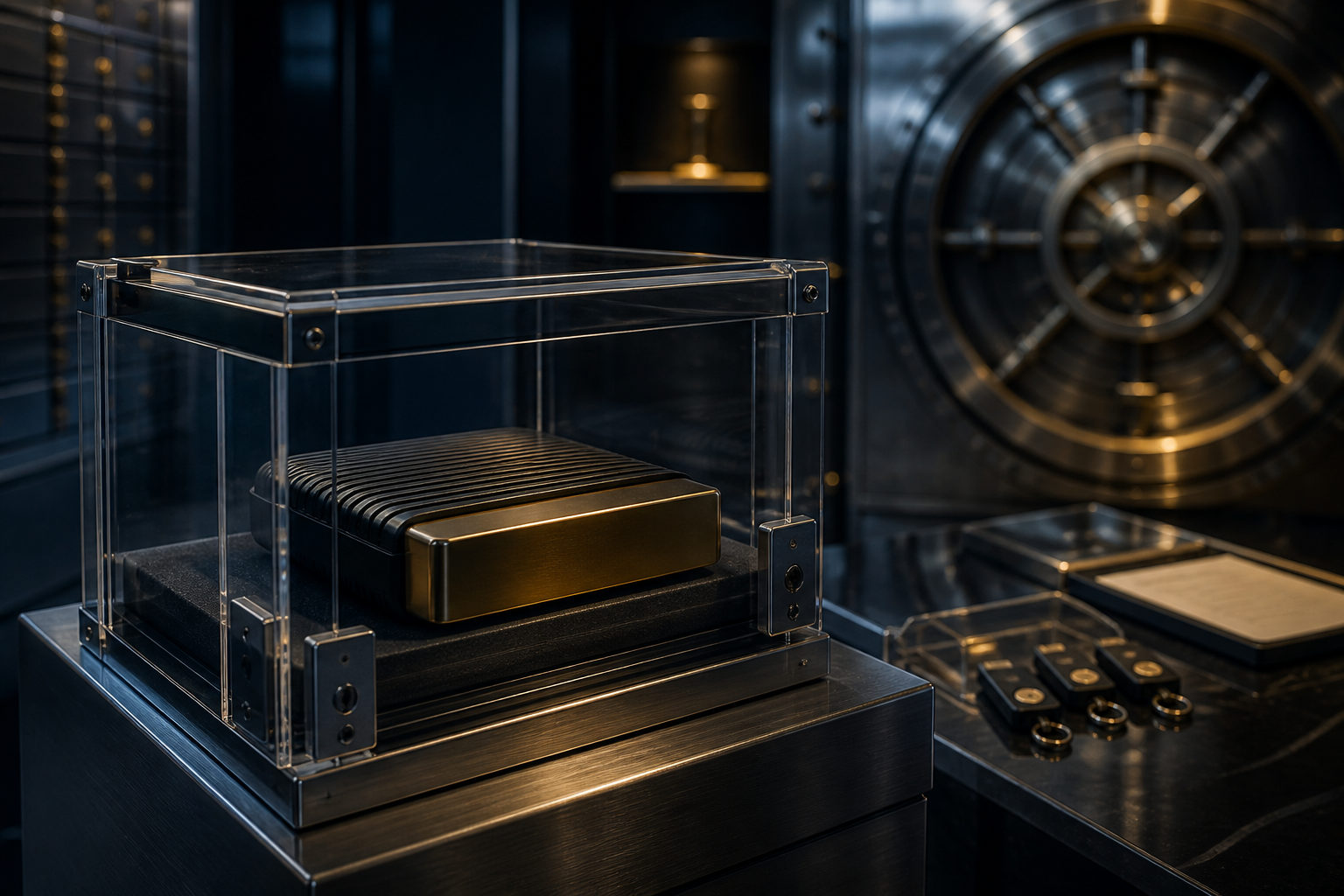
Bitcoin ETF issuers usually custody underlying bitcoin through independent custodians, cold storage, multi-approval transfers, and strict reconciliation.

How Bitcoin ETF Issuers Custody Their Underlying Assets

What Asset Class Is Bitcoin?

What asset class is bitcoin? It is most often treated as an alternative asset, with traits of a commodity and some monetary functions.

What Asset Class Is Bitcoin?

Is a Bitcoin ETF a Digital Asset? What You Actually Own
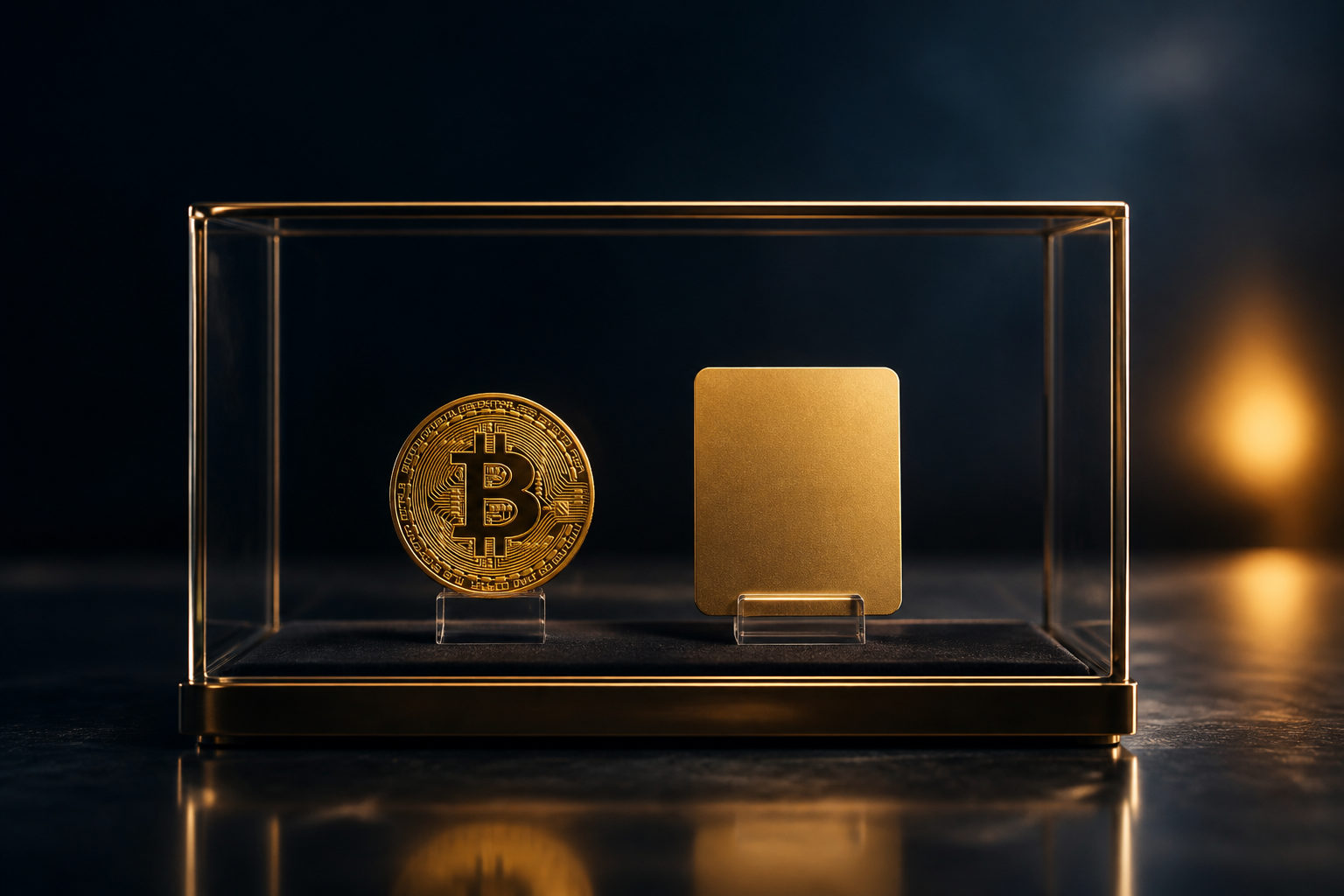
A Bitcoin ETF usually is not the same as directly holding Bitcoin. The key test is simple: are you buying fund shares or chain-based BTC you control?

Is a Bitcoin ETF a Digital Asset? What You Actually Own