From beginner to advanced — master exchanges, wallets and blockchain essentials
Key Takeaways Bitcoin’s supply is limited to 21 million bitcoins. By comparison, fiat currencies like the USD grow in supply, decreasing their value. The Bitcoin blockchain serves as an immutable record of transactions. By contrast, traditional finance requires banks and financial institutions to track transactions accurately. Bitcoin’s value comes in part from its security. The Bitcoin network uses proof of work as both an incentive to keep the blockchain going and a disincentive for bad actors due to the cost involved with proof of work.
Disclosure: Crypto is a high-risk asset class. This article is provided for informational purposes and does not constitute investment advice. By using this website, you agree to our terms and conditions. We may utilise affiliate links within our content, and receive commission. You can read more about our editorial policy here. Cryptocurrency is a digital asset that functions as money, represents value, or performs a utility function on a blockchain. In this guide, we’ll explore the question, “What is cryptocurrency?” We’ll also discuss blockchains, how cryptocurrencies work, cryptocurrency exchanges, and how to use cryptocurrency. Let’s get started with some background first.
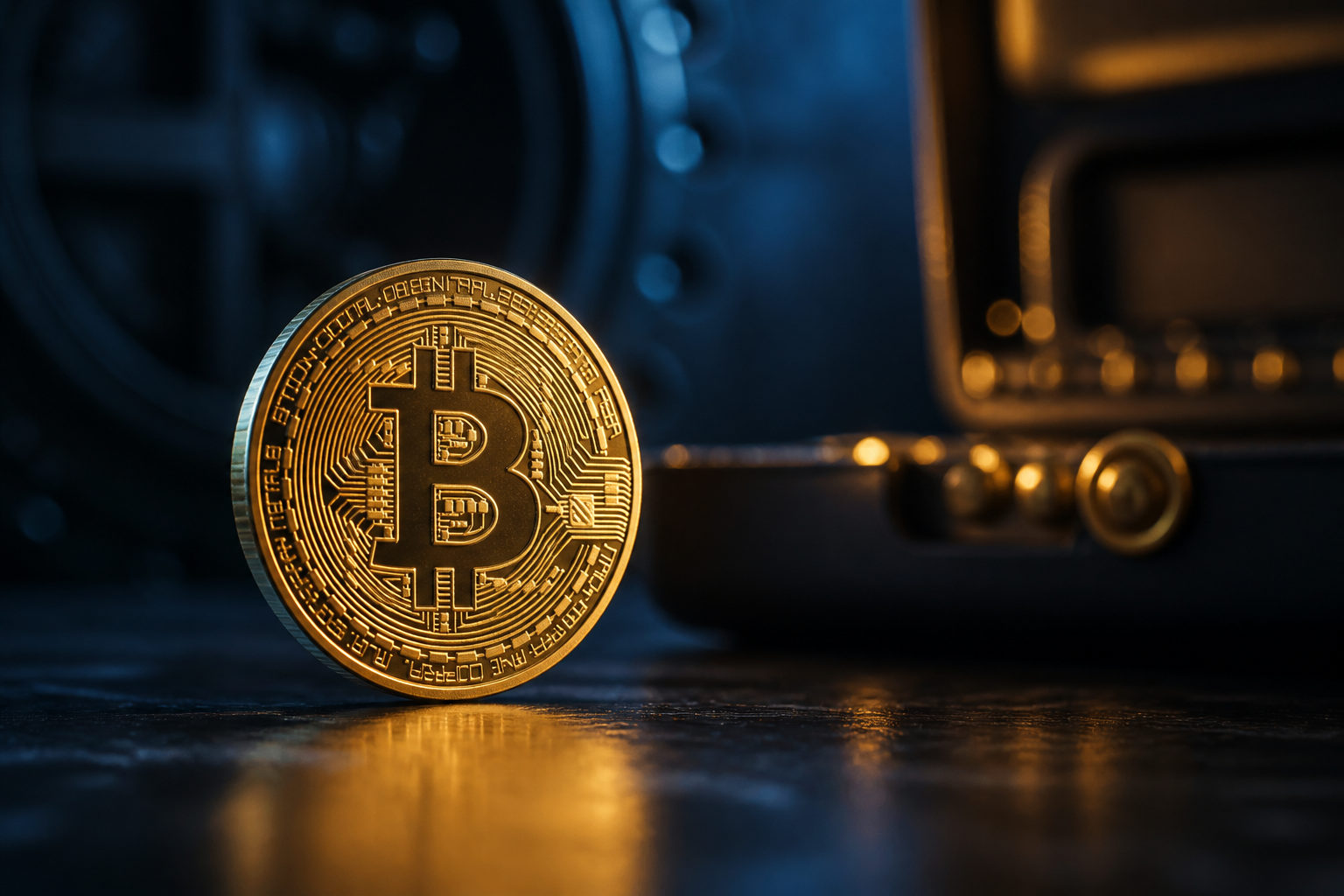
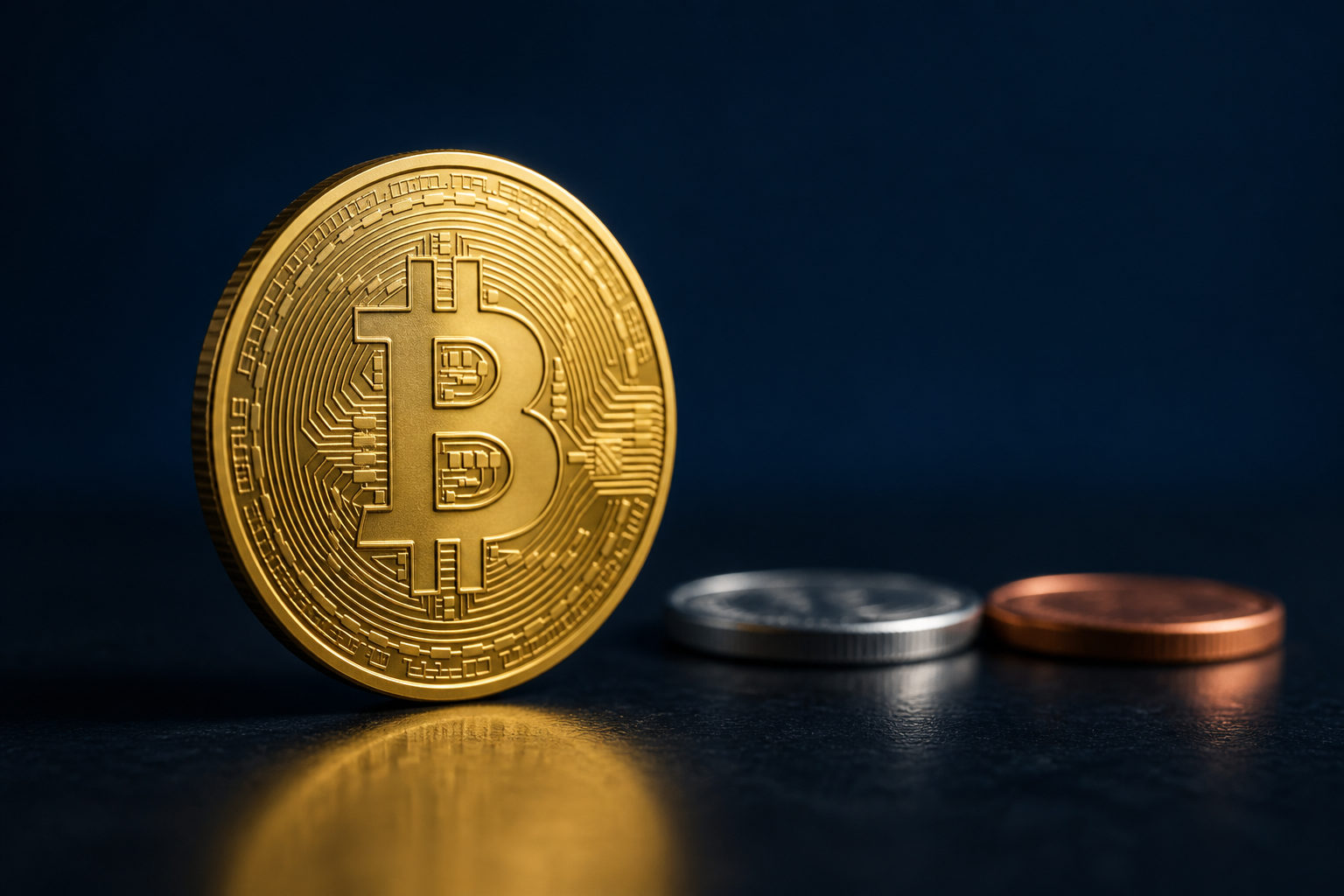
Are physical bitcoins valuable? Sometimes, yes—but their worth usually comes from bitcoin control rights, rarity, and collectibility, not the metal itself.
To buy silver with bitcoin, verify the seller, delivery terms, pricing rules, and refund policy first, then use a small test payment to cut fraud risk.
How much is a gold bitcoin worth? As of August 1, 2026, Bitcoin is $62944, but gold, silver, or copper bitcoin coins may be collectibles only.