


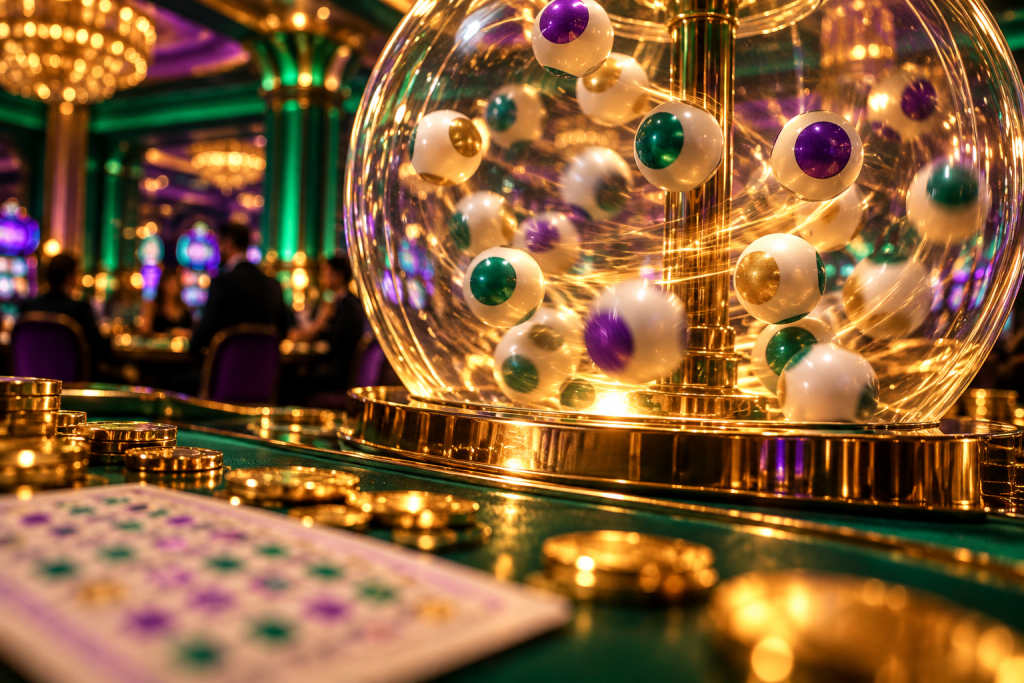
Club keno numbers are drawn by a fixed, documented physical or electronic process that selects a set of winning numbers from a known range, and the exact mechanism varies by jurisdiction and by the operator running the game. This article can explain the general draw mechanism and the variables that shape it, but it cannot give you one universal draw method, because no single set of facts covers every club keno game.
What matters most for a player is that the draw process is fixed before the game begins, and the outcome is a random selection from the full number range. The house edge is built into the paytable, not into the draw itself. This article describes how the draw is structured and where the authoritative current rules live.
The Core Draw Mechanism
Club keno is a numbers game in which a player marks a set of numbers on a ticket, and the game then draws a larger set of winning numbers from the same range. The player is paid based on how many of their marked numbers match the drawn numbers. The draw itself is the moment when the winning numbers are selected, and that selection is governed by a documented procedure.
Two broad draw methods exist. In a physical draw, numbered balls are mixed in a chamber and a fixed number of balls are selected by a mechanical blower or similar device. In an electronic draw, a certified random number generator produces the winning numbers. Both methods are designed to give every number in the range the same chance of being selected on each draw, but the specific method is not universal.
The number range and the number of balls drawn are fixed by the game rules. A common structure is a range of 1 to 80 with 20 numbers drawn, but club keno games can use different ranges and different draw counts. The paytable is built around the number of matches a player achieves, and the paytable differs by operator and by how many numbers the player marked.
What Changes Between Venues and Jurisdictions
Club keno is not one game with one rulebook. Each jurisdiction that permits the game sets its own technical standards, and each operator implements the draw within those standards. The variables that change include the number range, the number of balls drawn, whether the draw is physical or electronic, the frequency of draws, and the paytable that maps matches to prizes.
The following table compares the two draw methods at a structural level. This is not a comparison of specific venues, because no venue-specific draw facts are available for this article.
| Draw method | How selection happens | What stays fixed | What varies by operator |
|---|---|---|---|
| Physical ball draw | Numbered balls are mixed and selected by a mechanical device | Number range and draw count are printed in the game rules | Ball set, chamber design, draw frequency, paytable |
| Electronic draw | A certified random number generator selects winning numbers | Number range and draw count are printed in the game rules | RNG software, certification body, draw frequency, paytable |
The draw method does not change the underlying mathematics. Whether the numbers come from balls or from a random number generator, every number in the range has the same chance of being selected on each draw, and the house edge is carried by the paytable rather than by any bias in the draw.
Why the Draw Process Is Fixed Before You Play
In any properly run club keno game, the draw procedure is documented and fixed before tickets are sold. The player is betting on the outcome of a future draw, and the rules of that draw must be knowable in advance. This is the structural reason that draw rules are published: the player needs to know the number range, the draw count, and how matches are paid before risking money.
The draw itself is independent of how many people play or which numbers they mark. A physical draw does not know which numbers are popular, and an electronic draw does not adjust to the tickets sold. The selection is random within the fixed range, and the operator's revenue comes from the difference between the total stakes and the total prizes paid, which is set by the paytable.
One common misreading is that a number is more likely to be drawn because it has not appeared recently. In a fixed, random draw, each number has the same chance on every draw regardless of its history. Past draws do not change the probability of future draws.
How to Find the Current Draw Rules for a Specific Club Keno Game
Because the draw method, number range, draw count, and paytable all vary by operator and jurisdiction, the only reliable way to know how a specific club keno game draws its numbers is to read the official rules for that game. Those rules are published by the operator running the game and, in many jurisdictions, by the gaming authority that oversees it.
The operator's published game rules typically state the number range, the number of balls drawn, the draw method, the draw frequency, and the full paytable. The rules also state what happens if a draw is interrupted or if a technical fault occurs. The gaming authority's published technical standards describe the certification requirements for the draw equipment or the random number generator.
Before you play, confirm the following from the official rules for the specific game you are considering:
- The number range and how many numbers are drawn
- Whether the draw is physical or electronic
- The draw frequency and when results are posted
- The paytable and how matches are paid
- What happens if a draw is delayed or interrupted
What to Confirm Before You Go
Club keno rules are not universal, and they can change when an operator updates its game offering or when a jurisdiction revises its technical standards. The draw method, number range, draw count, draw frequency, and paytable are all changeable items. The authoritative current answer lives in the operator's published game rules and in the gaming authority's published standards for the jurisdiction where the game is offered.
Confirm the draw method and the paytable before you risk money. A physical draw and an electronic draw are structurally equivalent in randomness, but the paytable is where the house edge sits, and paytables differ between operators and between different numbers of marked spots. The number of spots you mark changes the probability of each match count, and the paytable reflects that.
FAQ
Are club keno numbers drawn the same way everywhere?
No. The draw method, number range, draw count, and paytable all vary by jurisdiction and by operator. Some games use a physical ball draw, others use a certified electronic random number generator. The only reliable source for a specific game is the operator's published game rules and the gaming authority's technical standards for that jurisdiction.
Does the draw method change my chance of winning?
No. Whether numbers are selected by balls or by a random number generator, every number in the range has the same chance of being selected on each draw. The house edge is built into the paytable, not into the draw mechanism. The draw method affects how the selection is performed, not the probability of any number appearing.
Where can I find the exact draw rules for a club keno game near me?
Read the official game rules published by the operator running the game, and check the gaming authority's published technical standards for the jurisdiction. The rules state the number range, draw count, draw method, draw frequency, and paytable. Do not rely on third-party summaries, because paytables and draw procedures change and vary between operators.
Play responsibly
Gambling should be treated as paid entertainment, never as a way to earn income or recover losses. 1-800-MY-RESET (1-800-697-3738)
18+ or 21+ depending on where you are; follow the minimum age that applies to you.
This article is general information about how these mechanics work. It is not legal advice and not a recommendation to gamble or to use any particular operator. Availability and legality differ by jurisdiction — check the rules that apply where you are.