


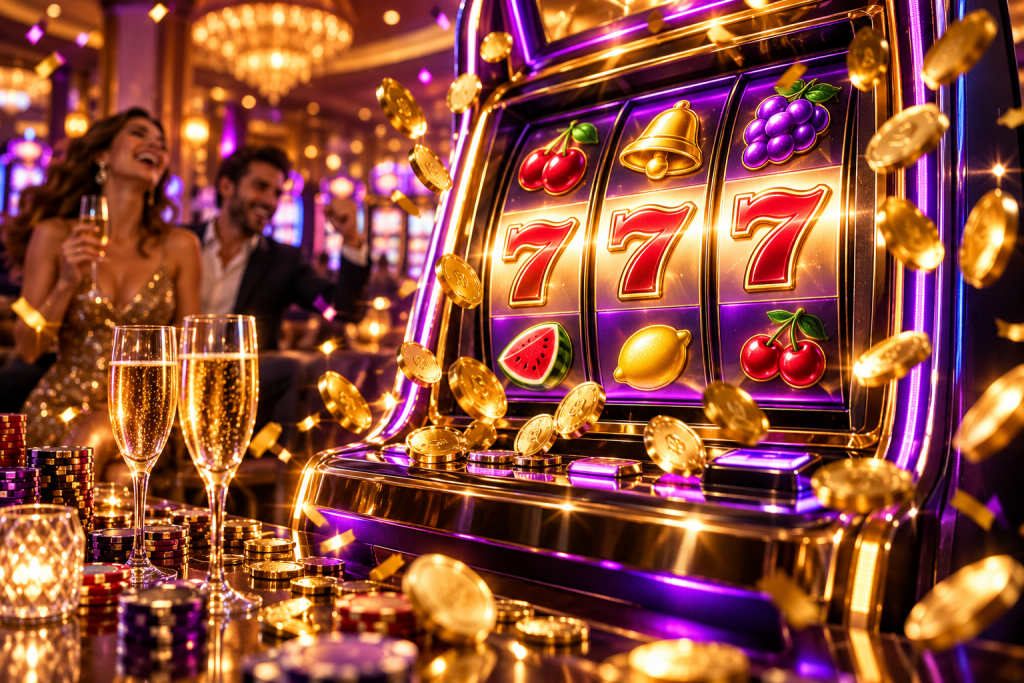
A player sits down at a machine that looks and sounds like a traditional slot cabinet, presses the spin button, and watches reels stop on a combination of symbols. The outcome on an HHR machine is not generated by a random number generator deciding where the reels land. The result is pulled from a previously run horse race, and the symbols on the screen are a presentation layer over that race result.
Understanding that distinction answers most of the practical questions about how these machines work. The rest of the article explains the mechanism, why the machines are built this way, and where the authoritative rules for any specific machine live.
The core mechanism: a past race, not a live spin
HHR stands for historical horse racing. The machine is connected to a library of recorded horse races that have already been run. When a player initiates a play, the system selects one of those past races, strips away identifying information such as the track name, race date, and horse names, and converts the finishing order into a slot-style display.
The player sees reels, symbols, and a win or loss. What the player does not see is the underlying pari-mutuel pool data from the selected race. The machine's software maps the race outcome onto the reel positions, so the displayed combination is a visual translation of the race result rather than an independent random event.
The key point is that the race happened before the player ever sat down. The machine is not simulating a live race, and it is not running a conventional slot random number generator. It is retrieving a historical result and presenting it through a slot interface.
How the race becomes a reel outcome
The conversion process is the technical heart of an HHR machine. The system holds a database of past races, each with a recorded finishing order and pari-mutuel payout data. When the player presses spin, the software selects a race from that database according to rules set by the machine's configuration and the jurisdiction where it operates.
The finishing order of the selected race is then mapped to a set of reel symbols. A race where the favorite wins might map to one set of symbols, while a longshot winner maps to another. The mapping is designed so that the distribution of displayed outcomes matches the distribution of race results in the underlying database.
Because the underlying event is a pari-mutuel race, the payout structure is built on the same pool-based mathematics that govern horse racing wagering. The displayed symbols are a convenience layer, not the source of the outcome.
How this differs from a conventional slot machine
Both machines look similar on the outside, but the comparison table below shows where the mechanisms diverge. The differences matter for anyone trying to understand what they are playing.
| Feature | HHR machine | Conventional slot machine |
|---|---|---|
| Outcome source | Previously run horse race from a stored database | Random number generator producing a result at the moment of play |
| Payout structure | Derived from pari-mutuel pool data of the selected race | Paytable and return percentage configured in the machine software |
| Player sees | Reels and symbols representing a race result | Reels and symbols representing a random draw |
| Timing of the underlying event | Already occurred before the player began | Generated at the moment the spin is initiated |
| Regulatory framework | Tied to horse racing wagering rules and pari-mutuel systems | Tied to gaming device rules and technical standards |
The table describes the structural difference, not a verdict about which type of machine is better or worse. Each operates under its own set of technical standards, and the player's experience on the screen may be nearly identical.
Why the machines are built on past races
The design exists because historical horse racing machines are typically offered in places where pari-mutuel wagering on horse races is an established activity, while conventional casino-style slot machines are not offered under the same framework. The machine uses the race database as the underlying wagering event.
That architectural choice is what makes the machine a pari-mutuel product rather than a casino slot product. The player is wagering on the outcome of a horse race, even though the presentation hides the race and shows reels instead.
This distinction is the reason the machines are sometimes called instant racing machines. The race has already been run, so the result can be delivered instantly to the player without waiting for a live race to finish.
What the player can and cannot see
The display on an HHR machine is deliberately simplified. The player sees reels, symbols, and a win or loss amount. The player does not see the race date, the track, the horses, the odds, or the pari-mutuel pool that produced the result.
Some machines offer a preview screen or a help menu that explains the underlying race selection process. Whether a specific machine offers that information depends on the machine model and the rules where it operates. The player should check the machine's on-screen help pages or ask the venue staff what information is available.
The lack of visible race information is part of the design. The machine is meant to feel like a slot machine, not like a horse racing terminal. That presentation choice is what makes the machines appealing to players who would not otherwise wager on horse races.
Who sets the rules for these machines
The rules that govern an HHR machine are set by the jurisdiction where the machine operates. That typically includes the state racing commission or gaming authority that oversees pari-mutuel wagering, and the technical standards that the machine must meet before it can be offered to players.
The machine itself is certified under technical standards that cover how the race database is stored, how races are selected, how outcomes are mapped to symbols, and how payouts are calculated. Those standards are enforced by the regulatory body that has authority over the venue.
This article does not state that any specific venue or machine is licensed, approved, or legal to operate. That status is determined by the jurisdiction where the machine sits, and the reader should check with the relevant state racing commission or gaming authority for their location.
What to confirm before you go
Several details about HHR machines vary by jurisdiction and by machine model. Before travelling to play, confirm the following items through the venue's own published materials or the state racing or gaming authority's website.
- Whether HHR machines are offered at the specific venue you plan to visit, and under what wagering framework they operate.
- What the machine's on-screen help menu says about how races are selected and how outcomes are displayed.
- What the payout structure is for the specific machine model, and whether the machine displays the underlying pari-mutuel information.
- What the venue's dispute resolution process is if a player believes a machine malfunctioned.
- Whether the state racing commission or gaming authority publishes a list of approved HHR machine models and certified venues.
The authoritative current answer for any of these items lives with the state racing commission or gaming authority that oversees the venue, and with the venue's own guest services desk. No number, price, or schedule is published in this article because those details change constantly and are specific to each location.
FAQ
Is an HHR machine the same as a slot machine?
No. An HHR machine uses a previously run horse race as the underlying wagering event, while a conventional slot machine uses a random number generator to produce a result at the moment of play. The player sees reels and symbols on both, but the mechanism that decides the outcome is different. The payout structure on an HHR machine is tied to pari-mutuel race data rather than a slot paytable.
Can I see which race my HHR spin is based on?
Typically no. The machine is designed to hide the race information and show only reels and symbols. Some machines may offer a help screen or preview mode that explains the underlying race selection, but that depends on the machine model and the rules where it operates. Check the on-screen help menu or ask venue staff what information is available on that specific machine.
Where do I find the rules for HHR machines in my state?
The state racing commission or gaming authority that oversees pari-mutuel wagering in your state publishes the rules and technical standards for HHR machines. The venue's own guest services desk can also direct you to the relevant information. This article does not state that any specific venue or machine is licensed or approved; that status is determined by the jurisdiction where the machine operates.
Play responsibly
Gambling should be treated as paid entertainment, never as a way to earn income or recover losses. 1-800-MY-RESET (1-800-697-3738)
18+ or 21+ depending on where you are; follow the minimum age that applies to you.
This article is general information about how these mechanics work. It is not legal advice and not a recommendation to gamble or to use any particular operator. Availability and legality differ by jurisdiction — check the rules that apply where you are.