When Slot Play Stops Being Entertainment
Slot machines are built for fast, repeated play, and that design has real consequences for time and money. This article explains the mechanics behind the risk and the tools that put limits back in your hands.
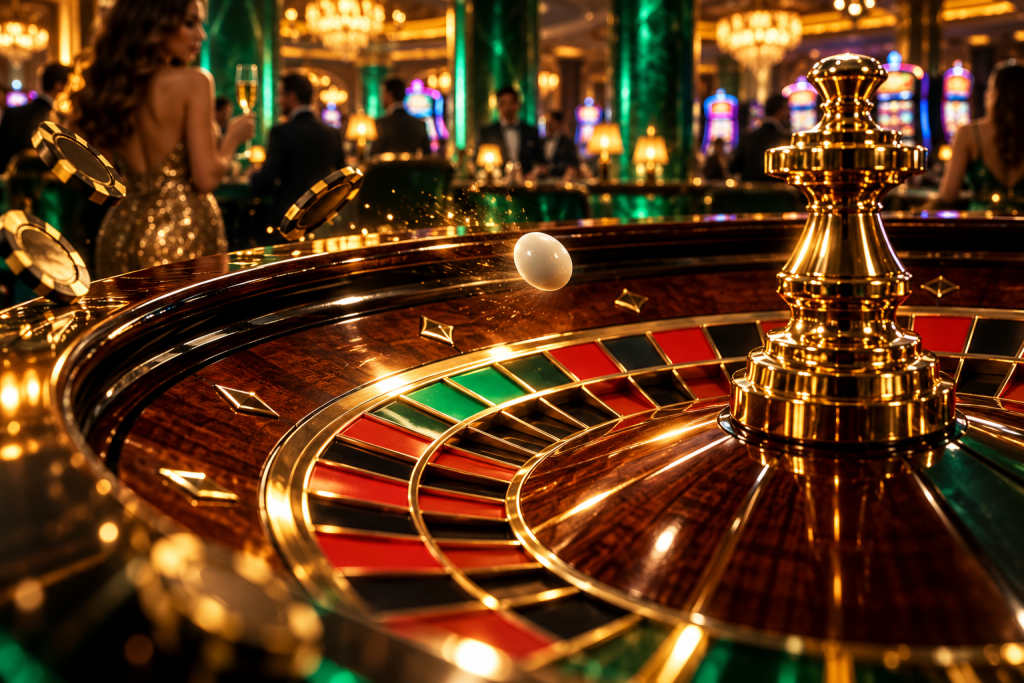
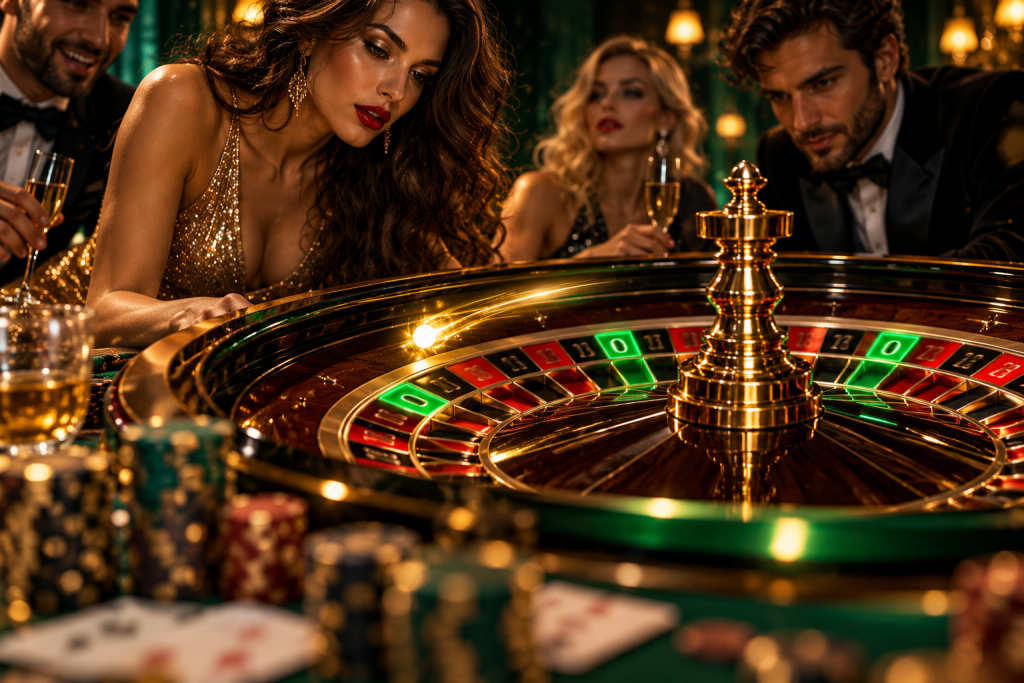
Triple zero roulette adds a third green pocket to the wheel, which changes the odds on every bet you place. Here is how that extra pocket works and why it matters for your money.
Roulette odds come from the wheel's structure, not the bet you choose. The edge is built into the payout table, and short sessions rarely resemble the long-run average.
Triple zero roulette adds an extra pocket to the wheel, which changes the odds on every bet. Here is how that extra pocket works and why it matters for your bankroll.
Learn how a modern video slot decides outcomes, what the Good and Bad modes change, and how to read the paytable and information panel before you stake real money.
The speed at which you press the spin button does not change a slot machine's programmed return. What fast play does change is how many decisions you make per hour, which affects the pace of your session and the size of your expected loss over time.
Splitting a pair of tens turns one of the strongest hands in blackjack into two weaker ones. The reason is mathematical: you are trading a hand that already wins most of the time for two hands that each start from a worse position.
A slot machine resolves every spin through a random number generator mapped to reel positions, not through timing or patterns. The paytable and information panel show the return, volatility and jackpot structure that shape how a session plays out.