
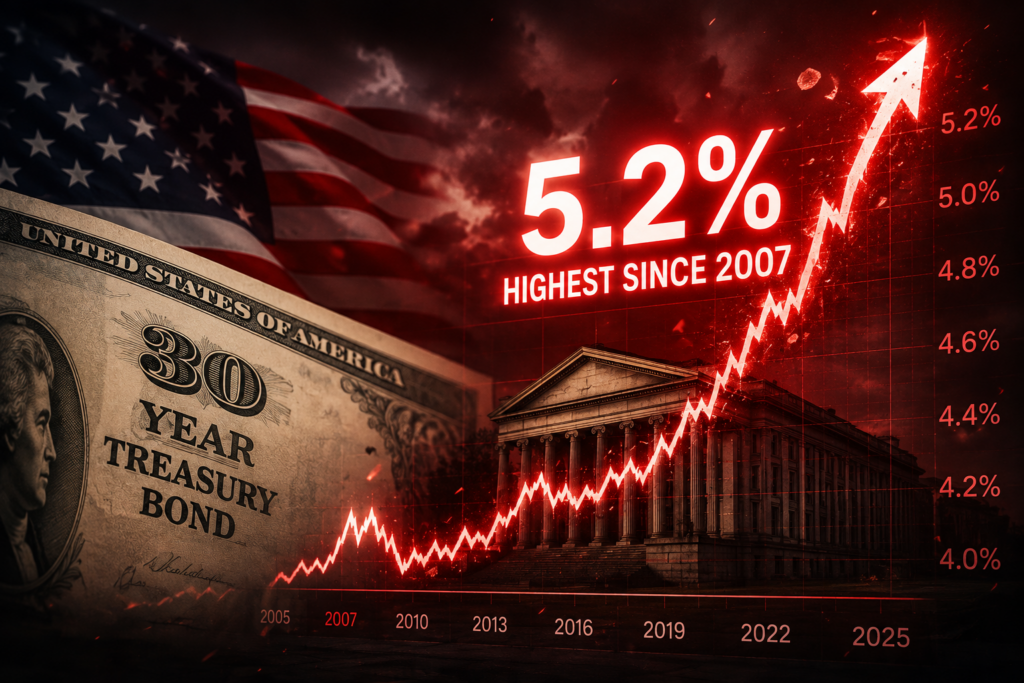
On July 29, the yield on the 30-year U.S. Treasury rose above 5.2%, its highest level since July 2007 and a fresh high for nearly 19 years. The 10-year yield also climbed above 4.5%, reaching its highest level since June 2025. On the same day, the Federal Reserve left rates unchanged, but an unusual three-way dissent in favor of a hike added to pressure across markets, and Bitcoin fell below $80,000.
Fed holds steady, but three officials back a rate hike
The Federal Reserve kept its policy rate unchanged at 3.5% to 3.75% this week. Even so, the meeting produced three dissenting votes in the same direction. Cleveland Fed President Beth Hammack, Minneapolis Fed President Neel Kashkari, and Dallas Fed President Lorie Logan all argued that rates should be raised, saying inflation remains above target and the Fed should not keep waiting.
According to the report, this was the first time since September 2016 that three policymakers dissented in the same direction.
BlockTempo said the stance taken by the three officials showed that patience on inflation is wearing thinner inside the Fed. Tariff policies under the Trump administration, together with higher oil prices linked to rising tensions involving Iran in the Middle East, have kept inflation running above the target range. Long-dated Treasury yields were described as the market's most direct response to that pressure. Higher yields suggest investors want more compensation to hold long-term U.S. debt, while also signaling that worries over future inflation and fiscal deficits have not faded.
Higher yields add pressure to risk assets
Rising yields are rarely good news for risk markets. The report noted that once the risk-free rate moves above 4.5%, the opportunity cost of holding assets that do not generate cash flow rises sharply. A stronger dollar and tighter financial conditions have also historically squeezed valuations for risk assets.
During the move, Bitcoin dropped below the $80,000 level.
Still, the market is not uniform in its reading of the move. Some traders said the rise in yields reflects structural inflation and fiscal-deficit issues more than a clear signal that the Fed is about to turn tighter again. If the central bank stays on hold and does not actually deliver another hike, liquidity conditions cannot automatically be described as worsening, the report said.
A return to 5.2% brings back comparisons with 2007
The last time the 30-year Treasury yield was near 5.2% was in July 2007, more than a year before the collapse of Lehman Brothers and the full eruption of the subprime crisis. At that time, yields were also grinding higher on inflation and debt concerns, while markets broadly underestimated risk until the financial system began to unravel in the following year.
With yields now approaching that same level again, the market has started drawing comparisons to a period that preceded a much larger dislocation.
The report also stressed that the drivers are not identical. In 2007, the main pressure came from deteriorating mortgage credit quality. This time, the forces cited were tariffs, geopolitics, and fiscal deficits acting together. What is similar is the signal being sent by a sharp rise in long-term yields: investor risk appetite is being tested again. Whether the Fed eventually shifts toward rate hikes under pressure from its more hawkish officials remains a key indicator for what comes next.