'47 Ronin' Director Gets 30 Months for Gambling Netflix Funds on Dogecoin and Stocks

'47 Ronin' Director Gets 30 Months for Gambling Netflix Funds on Dogecoin and Stocks

N
News Editor
2026-07-01 03:47:30
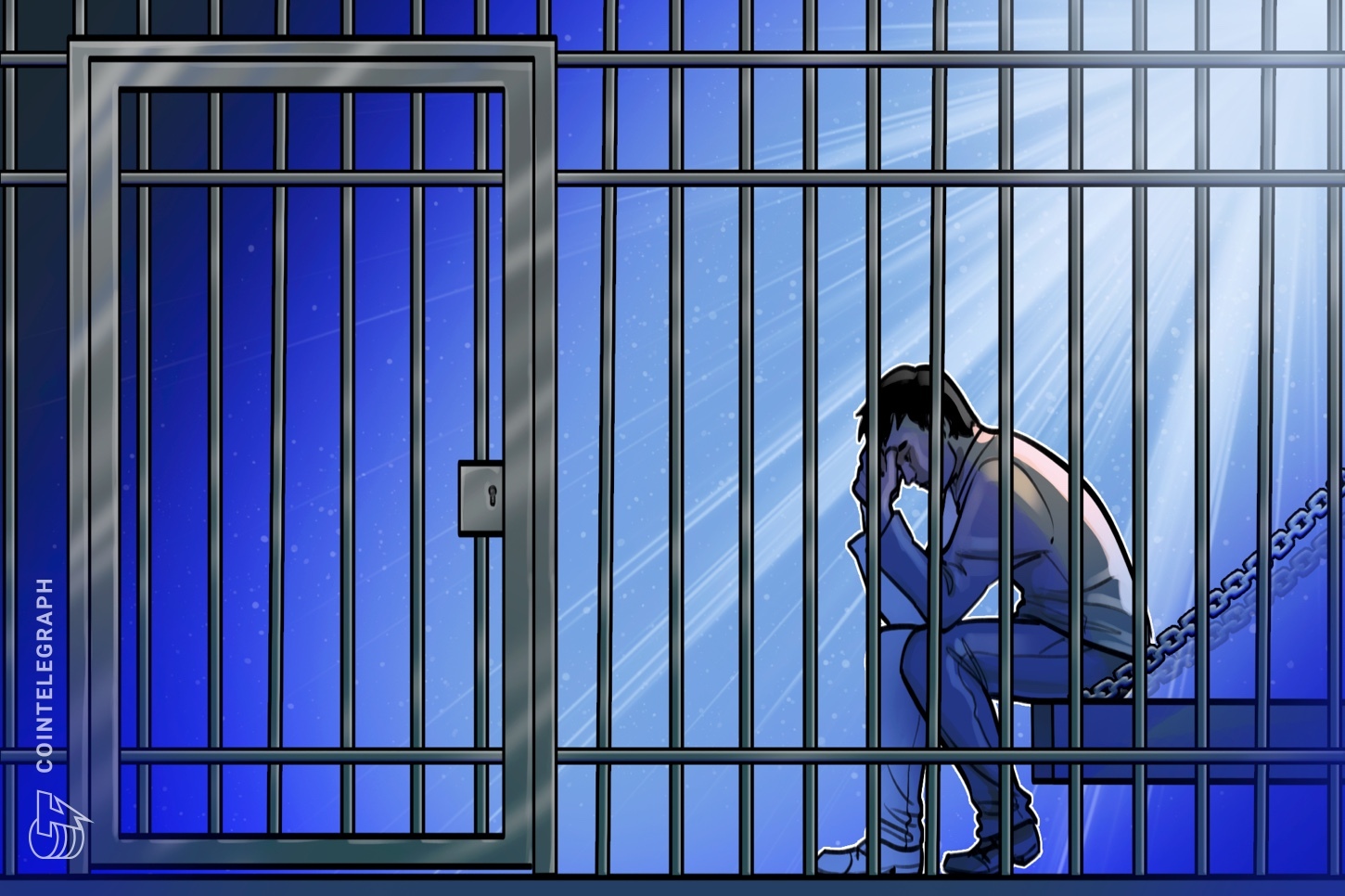
Carl Rinsch, director of '47 Ronin,' has been sentenced to 30 months in prison for misappropriating Netflix production funds to trade Dogecoin, stocks, and purchase luxury goods. The case highlights the risks of crypto speculation within the entertainment industry and the legal consequences of misusing investor capital.

Case Summary

Carl Rinsch, the director of the 2013 film '47 Ronin,' was sentenced to 30 months in federal prison for diverting Netflix production funds into personal investments, including Dogecoin, stocks, and luxury items. The case, tried in the U.S. District Court for the Central District of California, revealed that Rinsch transferred approximately $11 million from Netflix to his personal accounts between 2018 and 2020.

'47 Ronin' Director Gets 30 Months for Gambling Netflix Funds on Dogecoin and Stocks 2

According to court documents, Rinsch used a significant portion of the funds to purchase Dogecoin, a meme-based cryptocurrency, as well as shares in volatile stocks. Additionally, he spent money on high-end automobiles, luxury watches, and furniture. The director pleaded guilty to wire fraud and money laundering charges. Prosecutors argued that his actions constituted a clear breach of trust, as the funds were intended for the production of a Netflix series. The sentencing serves as a warning to others in the entertainment industry who may be tempted to misappropriate funds for speculative crypto trading.

This article was originally published by Bit.Fan. For more cryptocurrency news and market insights, visit www.bit.fan.
400

Disclaimer:

The market information, project data, and third-party content displayed on this platform are for industry information sharing only and do not constitute any form of investment advice or return commitment.

Cryptocurrency trading carries high risks. Users should fully assess their risk tolerance and make independent decisions. All profits, losses, and legal responsibilities are borne by the users themselves.