
ADI Chain is pursuing a path that differs sharply from the standard expansion model used by many newer blockchain networks. Rather than building around a single consumer app, or relying primarily on crypto-native traders and developers, it is positioning itself as infrastructure for governments, banks, financial institutions, and enterprise use cases. The focus is on stablecoin settlement, real-world asset tokenization, payment rails, and institutional asset infrastructure.
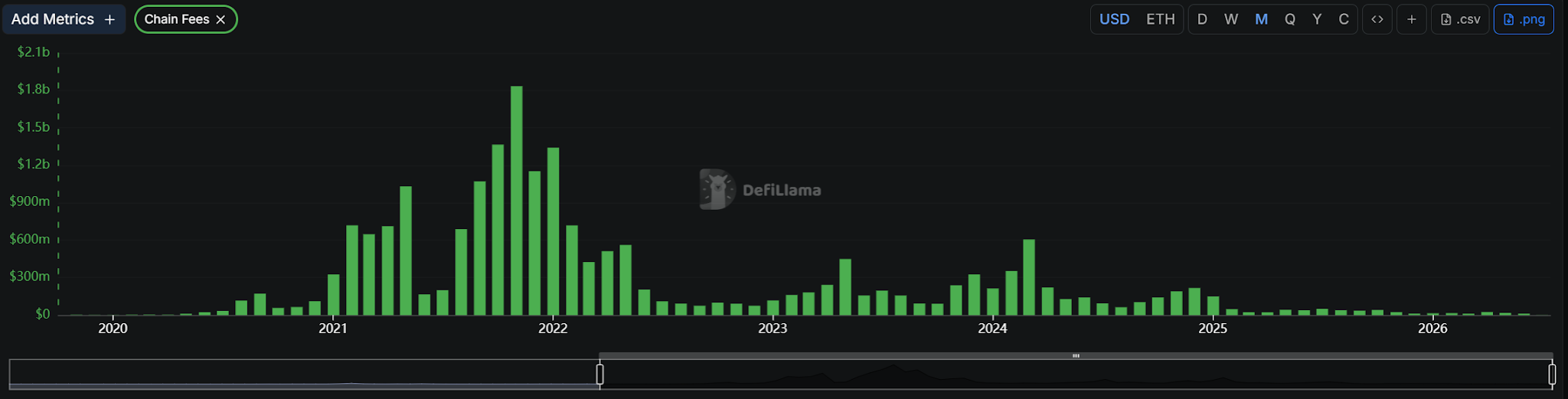
That approach stands in contrast to the playbook that has defined many public chains over the past several years. In that model, networks typically begin inside crypto: they attract developers, incentivize DeFi and NFT activity, and try to create momentum through memecoins, airdrops, points systems, TVL, and trading volume. But that strategy has become harder to sustain. Chain activity is often closely tied to the strength of on-chain asset cycles, and few ecosystems can continuously generate new assets, new narratives, and new reasons to trade. Once speculative interest fades, volume and user engagement usually fall with it.
ADI Chain’s thesis runs in the opposite direction. Instead of trying to manufacture a fresh wave of crypto-native demand on-chain and then waiting for institutions to follow, it aims to bring already existing financial flows onto the network first. That includes stablecoin issuance and settlement, tokenized real-world assets, institutional custody and transfers, and payment-related capital movement that already exists in traditional finance.
Stablecoins as the first institutional bridge
This strategy is most visible in the project’s stablecoin narrative. Rather than emphasizing globally dominant trading stablecoins such as USDT or USDC, the article points to regionally and institutionally oriented products, especially $DDSC. The dirham-pegged stablecoin is described as being connected to FAB, IHC, ADQ, and a UAE central bank authorization framework. Its role is not framed around general-purpose on-chain trading liquidity, but around local financial system functions in the UAE, including payments, settlement, and institutional fund transfers.
A publicly disclosed large transaction gives that claim more weight. According to a filing by IHC on the Abu Dhabi Securities Exchange, the company completed a transaction worth 110 million dirhams, or roughly $30 million, on ADI Chain using $DDSC in May. The filing described it as one of the largest single stablecoin transactions in the region. That matters because it suggests ADI Chain’s stablecoin narrative is tied to actual settlement activity, not just token issuance or ecosystem branding.
The same institutional framing appears in $PUSD, a stablecoin issued by Palm Azgar Finance. Its headline distinction is not exchange liquidity but Shariah compliance. According to the article, $PUSD is aimed at corporate treasury departments, exchanges, and payment processors, has circulation of about $2.3 billion, and is targeting the more than $3 trillion Islamic finance market. For ADI Chain, the point is not simply whether a stablecoin exists on-chain, but whether money from a regional financial system can enter blockchain infrastructure in a form institutions can accept.
That, in turn, becomes the prerequisite for payment network integrations. Whether the reference is a Mastercard partnership focused on Middle East cross-border payments or M-Pesa’s presence across eight African markets with more than 60 million monthly active users, the article argues that what these systems need is not another crypto asset. They need a settlement-capable base layer that can actually support regulated fund flows. In this framing, bringing the money on-chain comes first; broader payment utility can only follow afterward.
From custody to issuance, building the asset side
ADI Chain’s ambitions extend beyond regional settlement. The article also outlines a second track centered on how institutional assets can enter the network. Names mentioned include BlackRock, Franklin Templeton, BNY, and SettleMint. Together, they represent different but necessary layers of the asset pipeline: custody, issuance infrastructure, tokenization tooling, and traditional asset management.
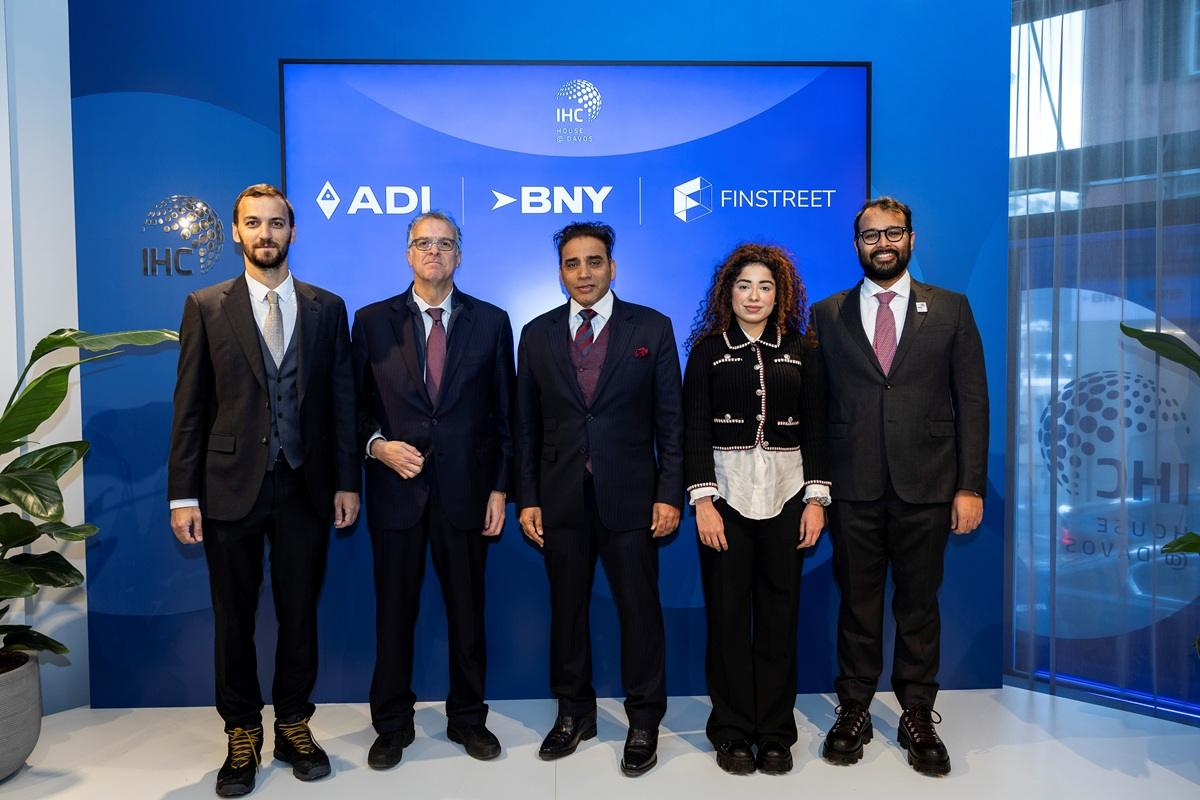
The first unavoidable step is custody. In May, BNY, Finstreet, and the ADI Foundation announced a partnership to provide institutional-grade digital asset custody within ADGM, with plans to extend that capability to ADI Chain. For institutional participants, custody is not a secondary feature or convenience layer. It is the access point. If assets cannot be held under a compliant custody framework, then issuance, trading, and settlement processes are unlikely to proceed at scale.
Only after custody comes issuance. That is where the cooperation between the ADI Foundation and SettleMint fits in. SettleMint is described as an institutional tokenization infrastructure provider, and the collaboration is taking place under the ADGM framework. The implication is important: ADI Chain is not merely trying to host a superficially packaged RWA product. It is trying to connect to digital securities processes that operate inside a regulated environment.
The presence of BlackRock and Franklin Templeton extends the argument further. Their role in the article is not simply to add recognizable names to a partnership list. The broader point is that RWA expansion cannot rely indefinitely on crypto protocols wrapping assets by themselves. If tokenized assets are going to scale meaningfully, they need real asset managers, real custodians, real issuance tools, and real settlement rails. Those are the actors that can bring underlying assets into a blockchain-based financial system in a sustained way.
Why the ADI token depends on integration, not headlines alone
When the regional stablecoin layer, institutional custody, digital securities infrastructure, and asset management relationships are viewed together, ADI Chain’s larger thesis becomes clearer. The network is attempting to assemble a set of financial entry points that can feed into one another over time. The core question is not whether each partnership sounds impressive in isolation, but whether those pieces can actually operate on the same chain as part of a repeatable financial workflow.
That is where $ADI fits in. The token is not presented as a utility asset for one isolated application, nor as an accessory to any single product category. Its long-term relevance depends on whether ADI Chain can turn these various relationships into a live ecosystem in which assets are held, issued, transferred, settled, and reused on the network. If the partnerships remain disconnected milestones, then $ADI may gain narrative exposure but little structural demand. If they converge into recurring on-chain activity, then the token could serve as the base-layer fuel for that ecosystem.
This is the main way ADI Chain differentiates itself from many other chains. It is not trying to spark asset excitement first and hope external capital follows later. Instead, it is attempting to onboard existing capital, assets, and transaction processes from traditional finance before expanding token utility around them. In that model, the ultimate determinant of $ADI’s value is not a single announcement, but whether those visible entry points continue sending funds, assets, and transaction volume back onto ADI Chain over time.