
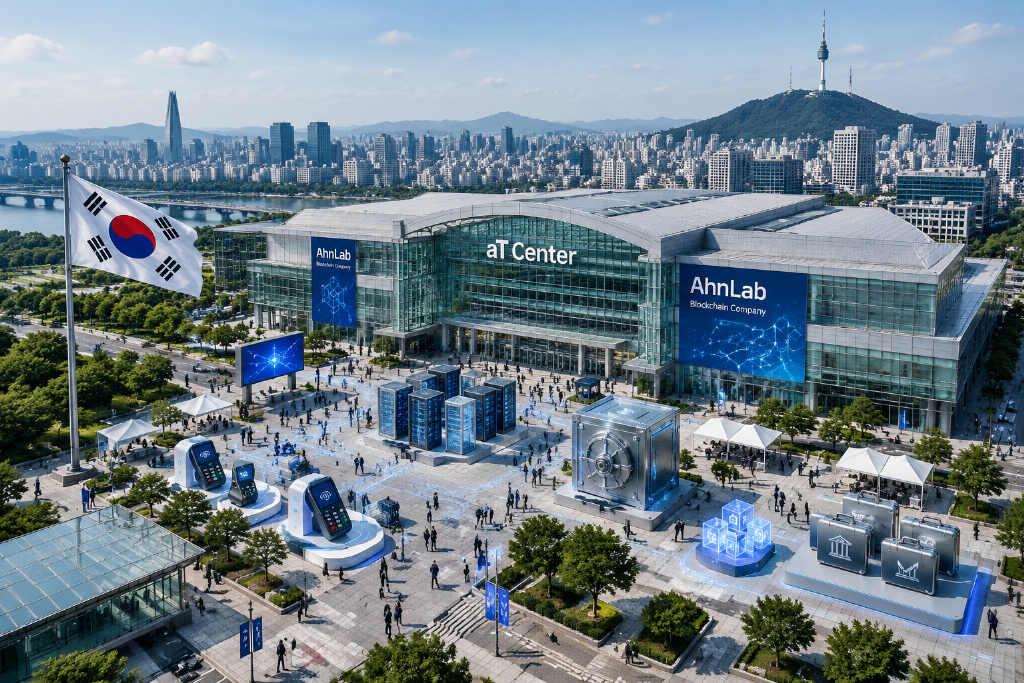
GWDC 2026 Korea is being held on Sept. 29-30, 2026, at the aT Center in Seoul, South Korea. The event is hosted by Web3Labs and co-organized by Techub News, HypaiLabs, and TokenPost.
During a roundtable session, Lim Ju-young, a director at AhnLab Blockchain Company, said the fastest changes from the combination of AI and blockchain are likely to emerge in payments. Data trading, she said, would be the next area to watch. According to Lim, blockchain can be used to verify data, measure its value, and distribute corresponding rewards.
Legacy systems remain the main barrier for finance
Lim said the biggest obstacle to blockchain adoption in traditional finance is the speed gap between old and new systems. She added that the financial sector places strong emphasis on accountability and control, which makes it difficult to operate with the same level of openness seen in Web3. She also noted that both AI and blockchain are still evolving.
STO, RWA and tokenized data in focus
She said she expects security token offerings, or STOs, and real-world assets, or RWAs, to develop quickly. Lim also said the value of data, which she described as overlooked, is set to rise sharply. In her view, data could become a form of energy and be traded in tokenized form, with that stage potentially arriving in two years.
Three suggestions for projects entering South Korea
For teams looking to enter the South Korean market, Lim offered three suggestions:
- build a clear feature that can attract retail investors;
- treat security and trust as core priorities, because recovery is difficult once they are lost;
- manage reputation carefully.
Permissions and accountability
Lim said the key words for the future are permissions and accountability. In Web3, both largely sit with individuals. As the sector becomes more institutionalized, she said, they move back toward financial institutions. With AI now entering the picture, clearer standards will be needed to define who holds control and who bears responsibility.