Na Se-bin, a 24-year-old software developer in Seoul, has completely lost her sense of spending. Since January, she has sunk her life savings of about $47,000 into the stock market, riding the wave of the global AI frenzy. In volatile swings, she has gained or lost a month's salary in a single second. Despite the risk, the thrill is irresistible—especially after seeing her holdings double. Over the past 18 months, South Korea's stock market has been among the best-performing in the world. Na and her colleagues joke about selling underwear to buy more shares. "Even friends who never traded before are jumping in," she says. "Everyone is speculating on something."

The Chip-Driven Wealth Effect
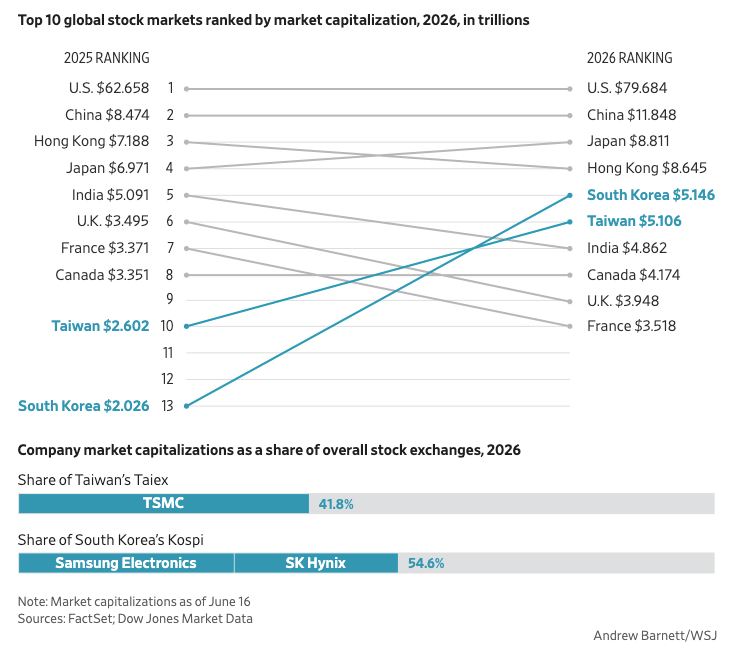
Trillions of dollars are flowing into global AI infrastructure, relying on a handful of Asian exporters providing semiconductors and chipmaking technology. Despite recent pullbacks, Taiwan's stock market has doubled over the past year, South Korea's has tripled, and Japan's Nikkei has surged more than 80%—three times the S&P 500's gain. According to Allianz Trade, global exports of AI-related products reached nearly $4 trillion last year, with Asia accounting for two-thirds. Gartner forecasts direct AI spending to hit $2.6 trillion in 2025, up 47% year-over-year.
In Taipei, taxi drivers trade stocks while on the road. "I work at TSMC" has become the ultimate pickup line in Taiwan's job market. Samsung's memory chip division employees expect average bonuses of about $400,000 this year; the company projects profits exceeding all global firms except Nvidia by 2026. Ye Lunhao, a 37-year-old insurance agent, invests over half his $2,100 monthly salary into local AI and chip stocks. His gains have quadrupled, and he recently bought a four-bedroom apartment in Taichung for about $440,000. "Without semiconductors, none of this would have happened," Ye says. "Investing has let me escape the grind and enjoy the world's beauty."
TSMC: From Workplace to Merchandise Mania
TSMC alone accounts for more than 41% of Taiwan's total market capitalization. Its engineers earn triple the salary of peers at other firms. A noodle shop owner in Zhubei once supplied Napa Valley whiskey to TSMC founder Morris Chang; today his shop is too small to meet TSMC's needs. "We look up to them with awe and respect," he says. TSMC-branded merchandise trades at a premium: a rice cooker with the company logo sells for about $312 on e-commerce platforms—four times the employee purchase price. Even holiday red envelopes used by TSMC employees sell for nearly $15 each online. In South Korea, Samsung and SK Hynix dominate the KOSPI, together accounting for over half of the index's market cap. Choi Sung-ho, a 35-year-old elementary school teacher, saw his Korean stock portfolio grow nearly fivefold over the past year, exceeding $300,000. "Even the kids at school talk about their parents being happy with stock profits," he says.

Jensen Huang's Tour and Market Volatility
Nvidia CEO Jensen Huang completed an 18-day tour of Taiwan and South Korea, announcing plans to invest $150 billion annually in Taiwan, which he called the center of the AI revolution. In Seoul, he signed cooperation deals in robotics, memory chips, and AI. During his visit, the KOSPI plunged more than 8% on June 8, triggering a trading halt. Huang, unfazed, said: "Everyone should be very happy with the current stock price because it's cheaper to buy now." Convenience stores in Taipei sell lottery tickets that can win up to 500 Nvidia shares. Youth account openings surged: Toss Securities opened over 180,000 trading accounts for children aged 18 and under in the first quarter of 2026, offering $14 in trial funds to new high school accounts.
From Luxury Goods to Japan's AI Play
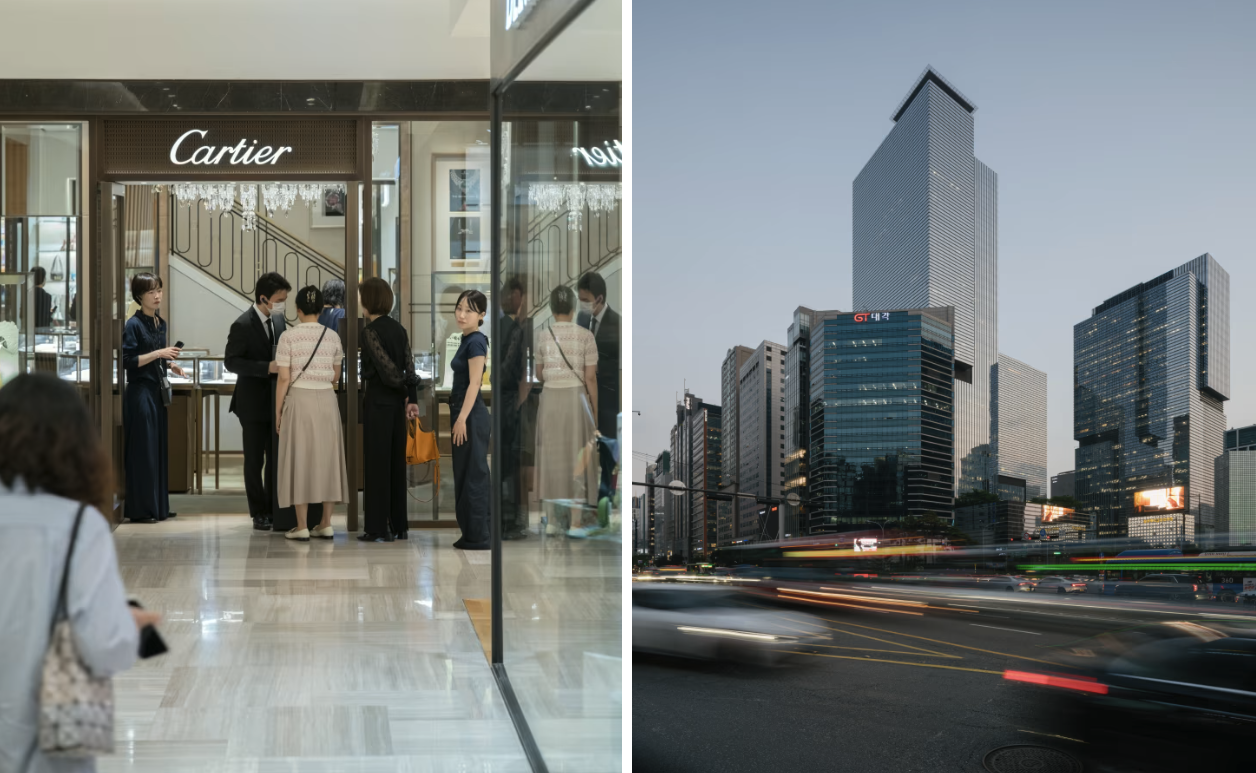
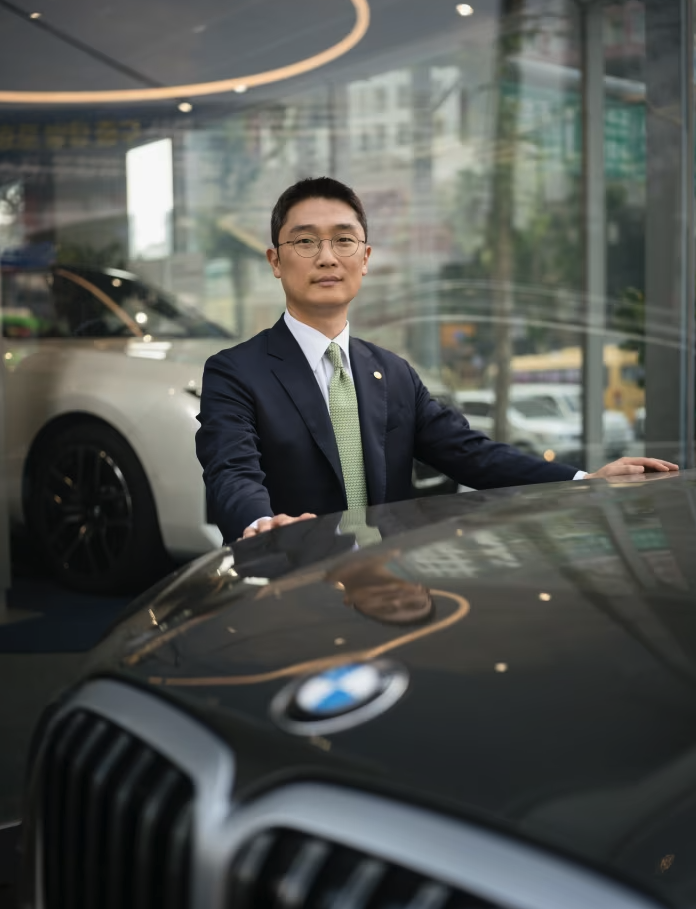
The stock rally has boosted luxury spending. Cartier boutiques in Seoul are so crowded that some jewelry is available only online. A BMW dealer sales director says customers often cite stock gains as the reason for their purchases. In Japan, SoftBank briefly overtook Toyota as the most valuable company, only to be replaced by memory-chip maker Kioxia, whose shares soared from about $14 to $600 in a year. Toilet manufacturer TOTO uses its high-tech ceramics to secure silicon wafers; its stock has more than doubled. Ajinomoto, the seasoning giant, makes insulation film for AI chips from byproducts of its umami seasoning; its shares are up 50%. One young investor says, "I plan to wait until I earn a considerable income before investing." But the market frenzy may not wait for him.
Na Se-bin continues to trade. A colleague used stock profits to buy a wedding ring worth tens of thousands of dollars. Na herself has become "spendthrift" on concert tickets, designer clothes, and treating her parents. She planned to buy a gold ring for her mother's 30th wedding anniversary but was refused: "She told me to just give her cash—so she can buy more stocks."