

Two AI-driven systems produced sharply different outcomes in the cases highlighted by the article: one exposed a Linux kernel flaw that had gone unnoticed for 15 years, while another helped turn a data-entry mistake into a police stop involving an innocent reporter.
Nebula Security said its AI-assisted vulnerability research tool, VEGA, discovered GhostLock, a Linux kernel bug tracked as CVE-2026-43499. In a technical report published on July 7, 2026, the company said the flaw had been present since 2011 and affected nearly all major Linux distributions.
GhostLock gave attackers a path from user access to root
According to Nebula Security, attackers do not need special privileges or unusual configurations to exploit GhostLock. The company said ordinary thread operations were enough to build an escalation path, and that the same bug could also enable container escape. Nebula reported a 97% reliable exploit chain and said it could move from a normal user account to root in about five seconds on a test machine. Google’s KernelCTF awarded the team $92,337 for the finding.
The bug sits in the Linux kernel’s lock management logic. The article explains it through a cleanup function called remove_waiter(), which was designed around a simple assumption: the thread that entered the wait queue would also be the one clearing its own record.
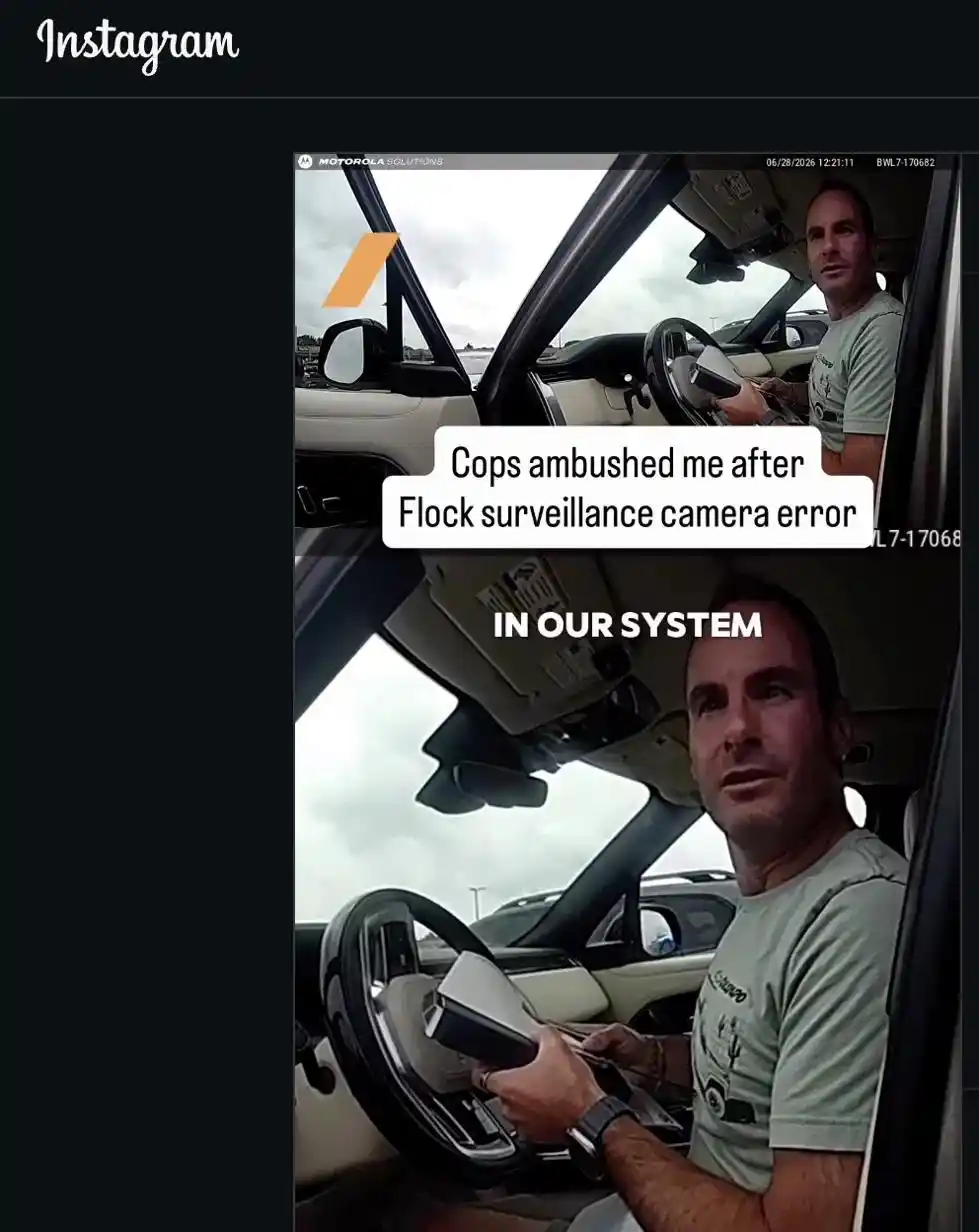
That assumption held until the kernel introduced a different behavior, allowing one thread to queue on behalf of another sleeping thread. At that point, the cleanup logic could remove the stand-in thread’s record while leaving the actual waiting thread behind.
The result was a dangling pointer to stack memory that had already been released after the sleeping thread returned from the system call. Nebula said this created the basis for a use-after-free condition. Once attackers gained control of that stale pointer, they could fill the freed memory with forged data, trick the kernel into reading it as a valid structure, obtain controlled writes, and then hijack kernel function tables to gain root access.
The company also said the kernel’s own lockdep safety checks did not catch the flaw because they verify whether a lock is held, not whether it belongs to the thread that should be cleaning it up. In the article’s framing, the lock was correct, but the thread identity was not.

The piece adds that several Linux privilege-escalation bugs disclosed in 2026 were found by automated tools, often in old and widely used areas of the kernel that had not been closely reexamined for years.
A typo and a camera network put Joel Feder in police crosshairs
The second case involved auto journalist Joel Feder. On a Sunday afternoon, he was returning a $155,000 Range Rover when four police vehicles converged on him just after he began backing out of a parking space. He and his wife were surrounded, and officers approached with their hands near their holsters.
Police body camera footage cited in the article recorded the stop at 12:21 p.m. on June 28, 2026. Feder said he complied and stepped out with his hands raised.
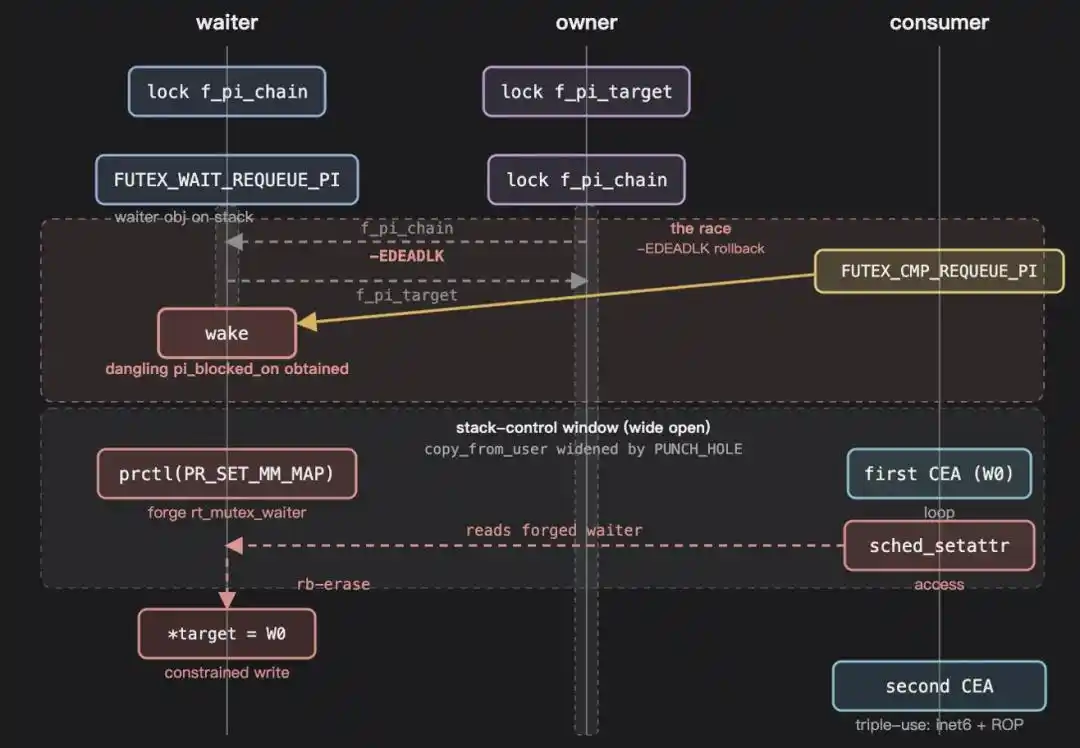
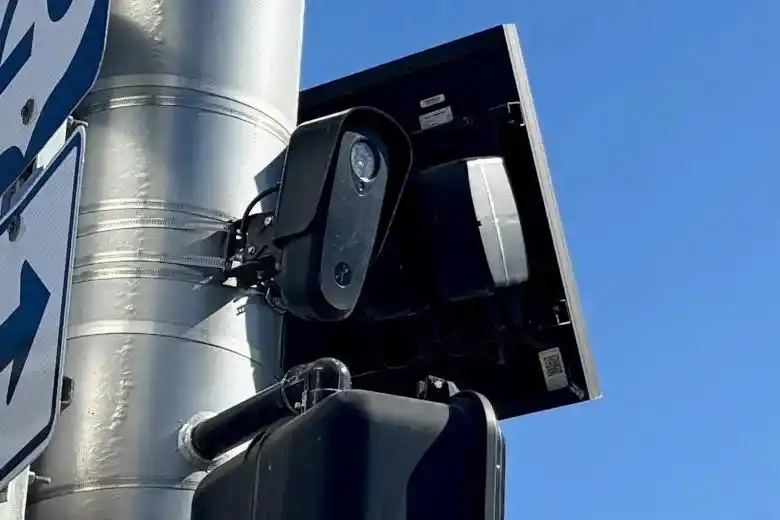
He later learned that the actual stolen plate was 34 03 DTM, but when it was entered into the National Crime Information Center, the small middle digits “03” were omitted and the plate became 34 DTM. Feder’s test vehicle carried plate 34 10 DTM. Because New Jersey dealer plates use very small digits in the middle, Flock’s AI camera system reportedly failed to read the “10” and only captured “34 DTM,” triggering alerts to police departments along the route.
The article says Flock cameras scan about 20 billion license plates each month. What began as an entry mistake in Los Angeles was amplified through a nationwide automated recognition network and eventually reached Minnesota, where it led to a one-hour confrontation involving four police vehicles and a drone. Officers kept their hands on their holsters during the stop but did not draw their weapons.
Police also told Feder that four other vehicles with the same dealer plate format had been tracked in Minnesota that week, and that he was the first driver officers had managed to stop. One officer told him, “You’re lucky this happened in Plymouth. If this were Minneapolis, they absolutely would have come in with guns drawn.”

Feder later said, “People make mistakes. That’s normal, but it was amplified by a nationwide surveillance system.”
Same process, different result
The article puts the two incidents side by side to make a narrower point. In both cases, the system identified patterns, made an automated judgment, and triggered action. The difference was the input.
In the GhostLock case, the AI system analyzed real kernel code and exposed a real flaw. In the Flock case, the underlying input was wrong from the start, and the system carried that error forward faster and at a much larger scale than a human officer could.
The article does not present the Flock incident as a simple story of “AI made a mistake.” Instead, it says the bad source data was entered by people, and the human review that should have stopped the problem was missing.
Human review remains a control point
The article argues that AI is moving into high-risk decision chains including security, law enforcement, and finance. It can surface vulnerabilities human reviewers missed, but it can also scale human errors into system-wide consequences.
GhostLock points to the growing reach of automated vulnerability research. Flock points in the opposite direction: critical systems still need a human checkpoint that can stop bad decisions before they spread.