
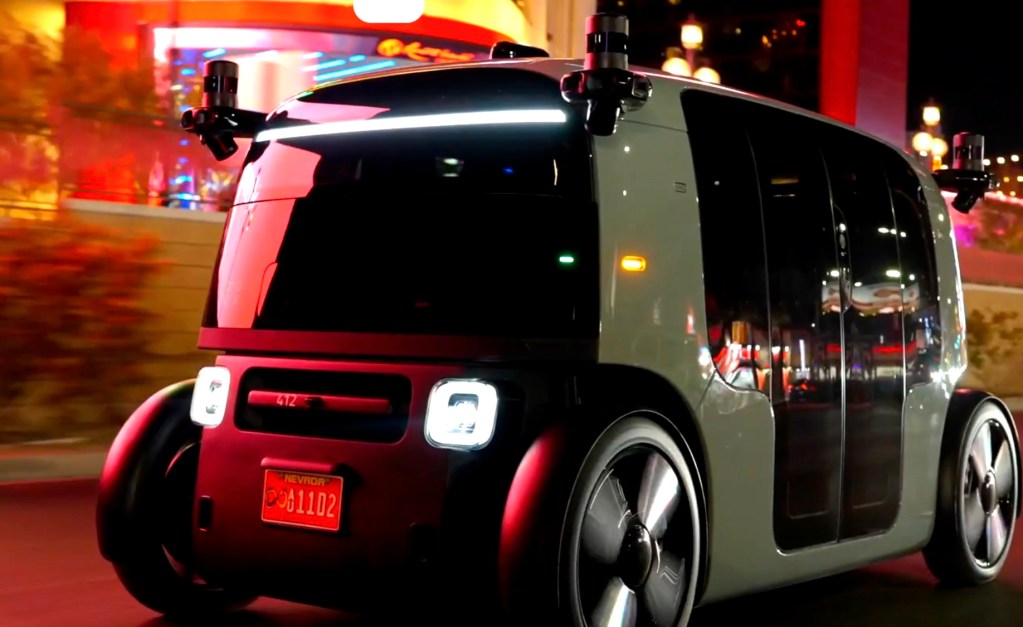
Zoox, the autonomous taxi company owned by Amazon (Nasdaq: AMZN), has entered commercial operations with Las Vegas as its first launch market. The company plans to expand later to San Francisco, Miami, Austin, Atlanta, and Los Angeles, and has already received regulatory approval to deploy as many as 5,000 driverless taxis on public roads over the next two years.

Upfront quote stays unchanged through the ride
In a recent interview with Bloomberg, Zoox CEO Aicha Evans outlined the company’s pricing model, which it markets as “Comfort Pricing.” Fares are calculated using a base fee, trip distance, and estimated arrival time, with the app showing riders a quote before the trip begins.
Zoox also uses what it calls “Guaranteed Pricing,” meaning the final fare matches the original quote exactly. If traffic congestion or a detour adds time or distance during the ride, the rider is not charged extra. The company is framing the model as a way to build consumer trust and remove concern over being overcharged because of route changes.
Up to 5,000 vehicles approved for deployment in two years
Zoox is owned by Amazon, and its vehicles are manufactured in California’s Bay Area. According to the report, regulators have approved the company to deploy up to 5,000 vehicles on public roads within the next two years.
Evans said Amazon provides Zoox with long-term and stable financial support, allowing the company to avoid short-term capital pressure. She also said safety is treated as a baseline requirement, with Zoox relying on vertically integrated production and strict validation procedures to set its operating standards.
Zoox says its vehicle design can lift utilization
Vehicle utilization is a key measure in robotaxi economics because it directly affects whether the business can reach break-even. The report said average utilization across the robotaxi sector is currently about 54%, and Zoox has expressed confidence that it can do better.
The company points to its purpose-built vehicle as one reason. The Zoox car uses a bidirectional design, allowing it to drive in both directions and cut down on deadhead miles, which can improve fleet efficiency. Inside, the vehicle uses an opposing-seat layout that the company says helps make every seat a good seat for passengers.
For high-demand cities such as Las Vegas, Zoox also plans to use AI-driven real-time traffic monitoring and supply adjustment to better match rider demand while increasing revenue per vehicle.
Commercial launch follows 12 years of development
After 12 years of technical development, Zoox has now moved into commercial service, supported by industrial-scale manufacturing, a transparent pricing model, and resources from its parent company.