Ansem Shouts Out ZCAT Meme Coin on Solana, Market Cap Hits $69M Before Cooling to $50M

Ansem Shouts Out ZCAT Meme Coin on Solana, Market Cap Hits $69M Before Cooling to $50M

N
News Editor
2026-09-06 00:49:35
Crypto trader Ansem promoted Solana meme coin ZCAT (Anonymous Cat) on September 6, causing its market cap to briefly exceed $69 million, a new all-time high, before settling at $50 million. The token, inspired by Zcash's privacy concept, features a 3% transaction tax that buys and distributes bridged ZEC to holders. BlockBeats warns of high volatility.

On September 6, crypto trader Ansem jumped onto social media to shill a Solana meme token called ZCAT (Anonymous Cat). The post lit a fire under it. ZCAT’s market capitalization ripped past $69 million and hit a fresh all-time high. Since then, it has cooled off to $50 million, based on GMGN market data. Its 24-hour trading volume is $2.2 million, and the price rose 3.6 times over that stretch.

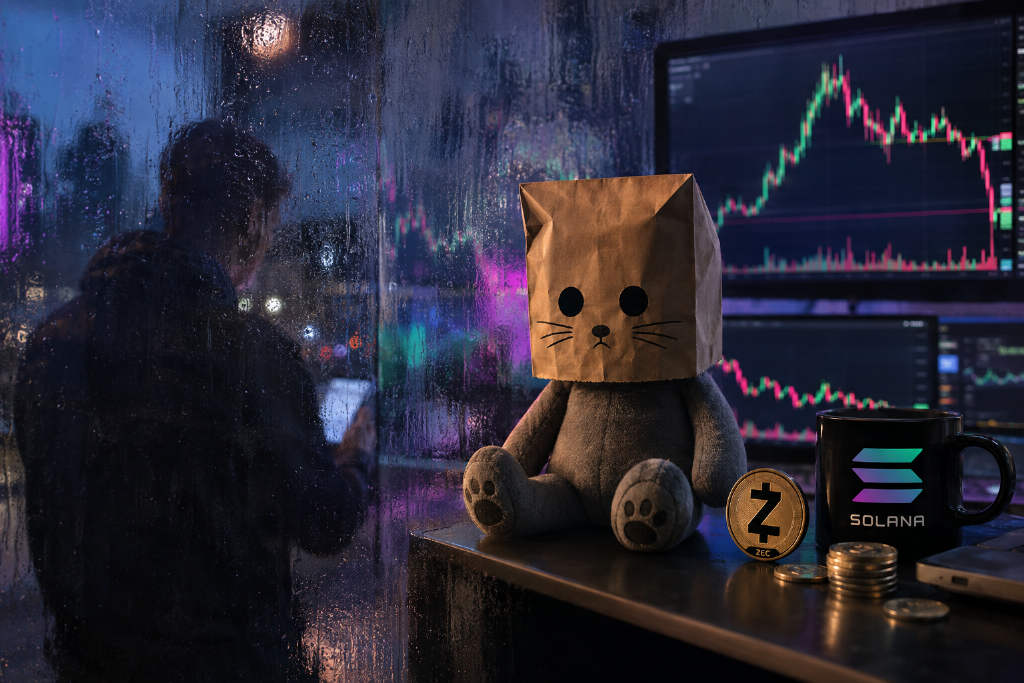
ZCAT is a cat-themed meme coin on Solana, built around inspiration from Zcash’s (ZEC) privacy features. The mascot? An anonymous cat wearing a brown paper bag over its head. Odd look. The token charges a transaction or transfer tax of about 3%, and that money is used to buy bridged ZEC on Solana and airdrop it to ZCAT holders. So yes, it functions like a dividend mechanism.

BlockBeats, the outlet that reported this, warned that meme coins often have no real-world utility and can swing wildly in price. Its message to investors was simple: be careful.

This article was originally published by Bit.Fan. For more cryptocurrency news and market insights, visit www.bit.fan.
200

Disclaimer:

The market information, project data, and third-party content displayed on this platform are for industry information sharing only and do not constitute any form of investment advice or return commitment.

Cryptocurrency trading carries high risks. Users should fully assess their risk tolerance and make independent decisions. All profits, losses, and legal responsibilities are borne by the users themselves.