
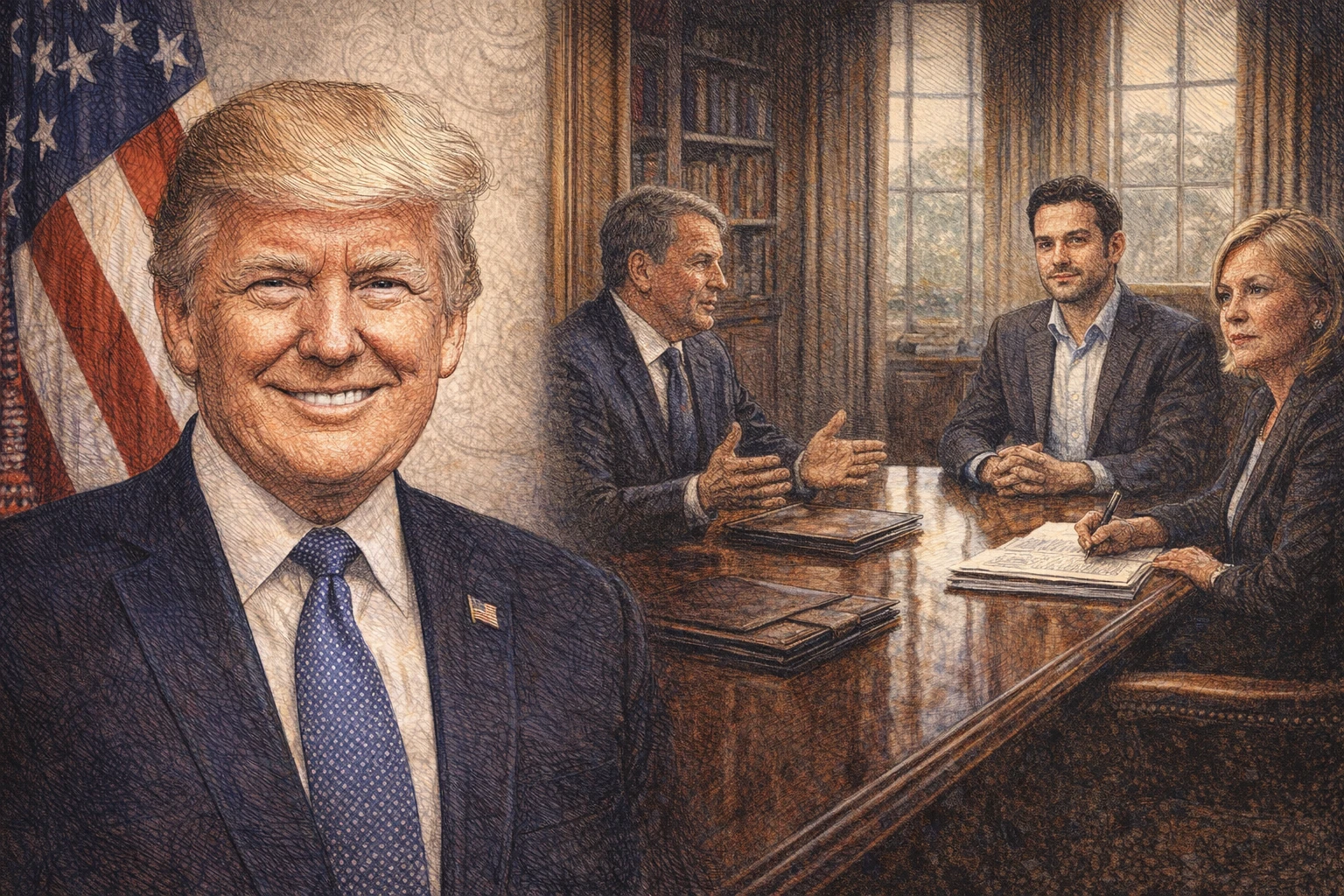
U.S. Treasury Secretary Scott Bessent and White House Chief of Staff Susie Wiles met with Anthropic CEO Dario Amodei at the White House on the 17th. The White House described the meeting as a "preliminary talk" that was "constructive and productive."
Root of the rift: weapons red line and Pentagon retaliation
Anthropic's relationship with the Trump administration had soured after the collapse of a military contract negotiation. The company insisted on explicit use restrictions, refusing to allow its technology to be deployed in autonomous weapons systems or mass domestic surveillance. The Pentagon balked, and after the breakdown, it designated Anthropic as a supply chain risk, effectively flagging the company in the federal procurement system. Anthropic filed a lawsuit and is now challenging that administrative decision in court.
Icebreaker: Mythos model and the Treasury's financial bridge
A possible thaw point comes from the financial regulatory sphere. Sources say Treasury Secretary Bessent and Federal Reserve Chair Powell are actively encouraging major banks to test Anthropic's newly launched Mythos model. If federal financial regulators endorse Anthropic's enterprise clients, it could remove key compliance barriers for Wall Street deployment. Unlike the deadlock at the Pentagon, the Treasury route is becoming a side door for Anthropic into the federal ecosystem. Co-founder Jack Clark has also been appearing at government events more frequently, signaling a multi-track push.
Broad demand: Nearly every agency except the Pentagon wants Claude
Deep divisions exist within Washington. According to sources close to the negotiations, "almost every department" of the federal government—except the Defense Department—is interested in adopting Anthropic's Claude technology. Agencies like Treasury, Justice, and Energy need Claude's enterprise version, but the Pentagon's supply chain risk label creates legal headaches for procurement officials. This institutional split reflects internal tension in the Trump administration's AI policy: security hawks push against AI companies unwilling to fully comply with military demands, while pragmatic needs in other agencies quietly steer policy in another direction.