

Developer reports massive invoices on a free Anthropic account
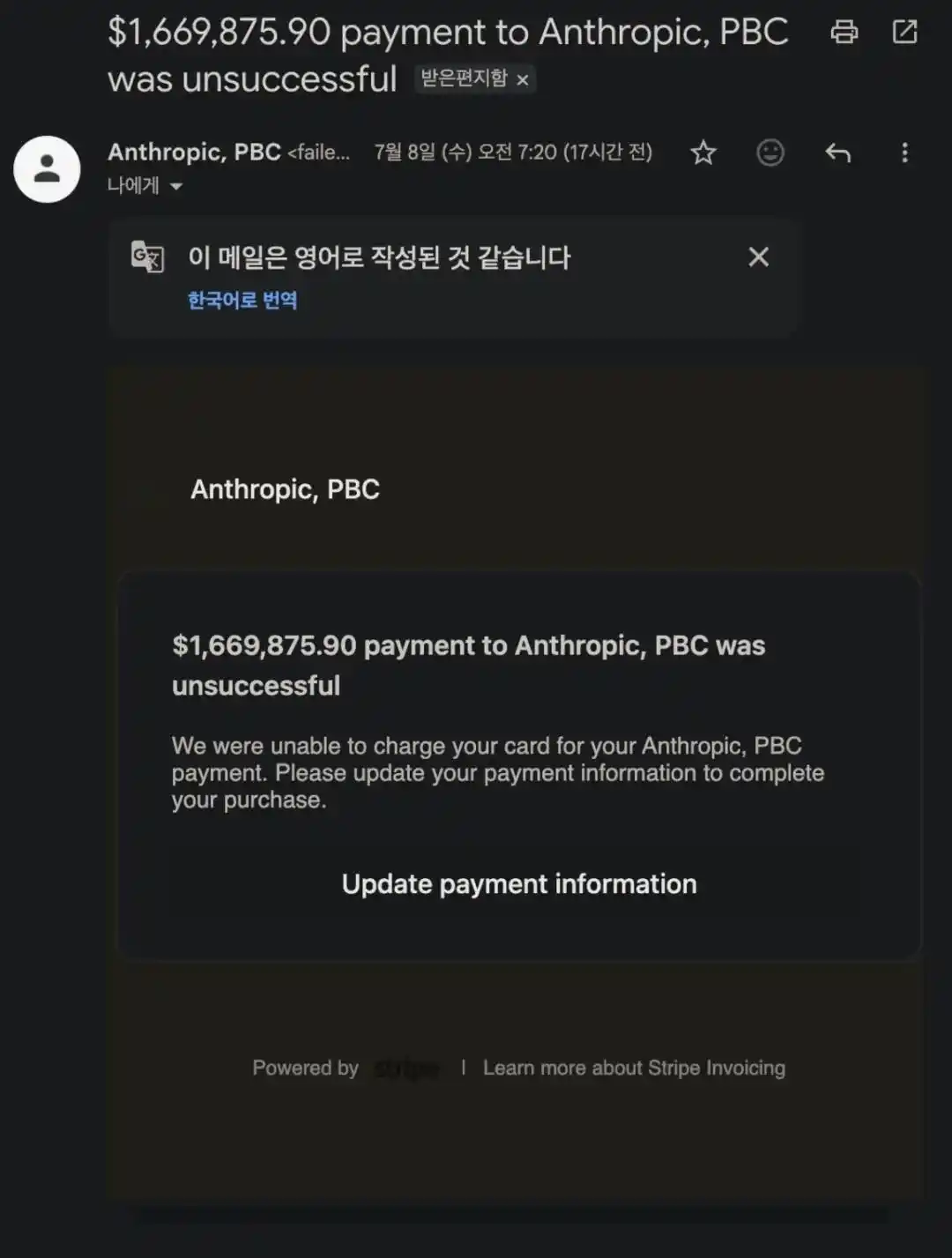
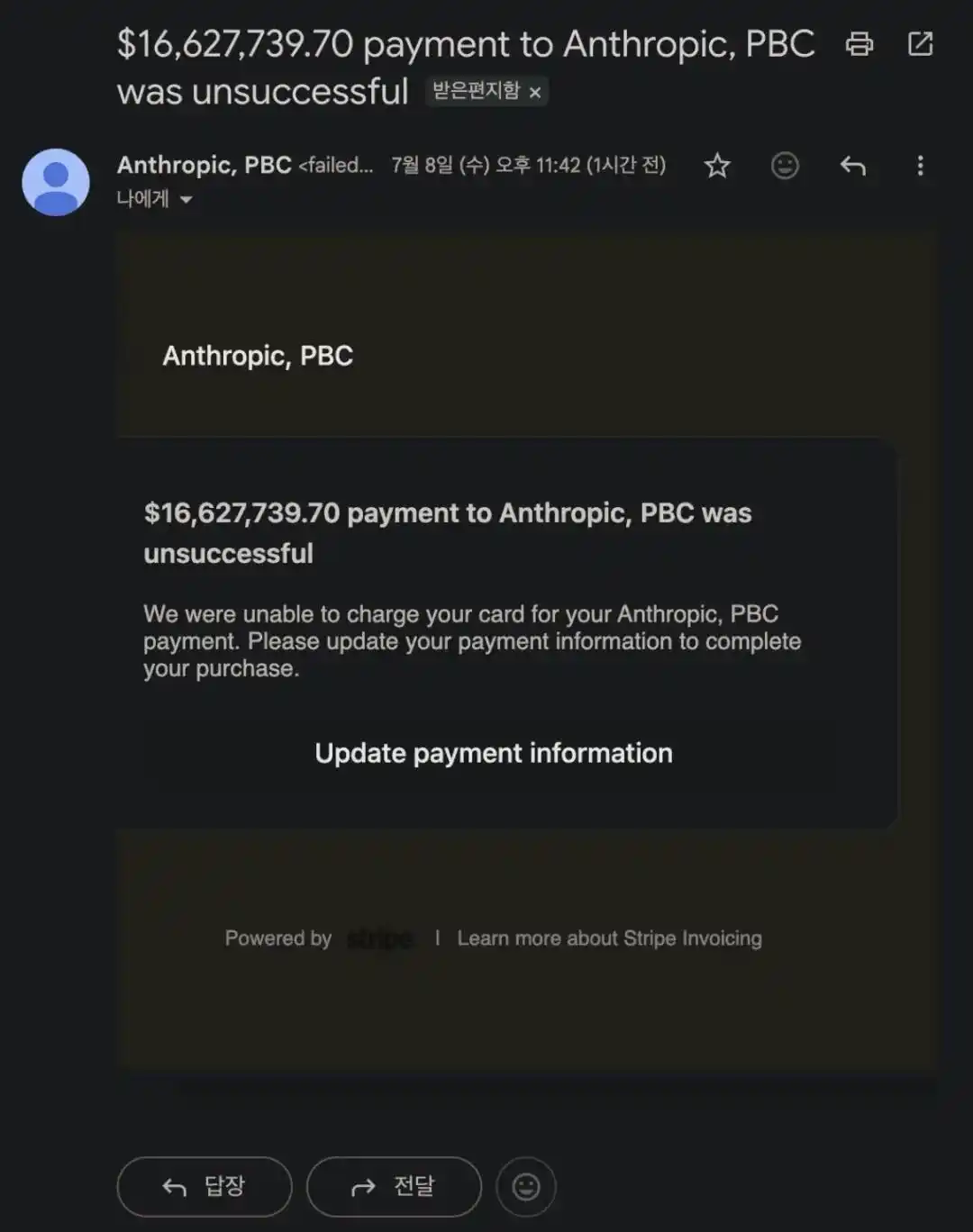
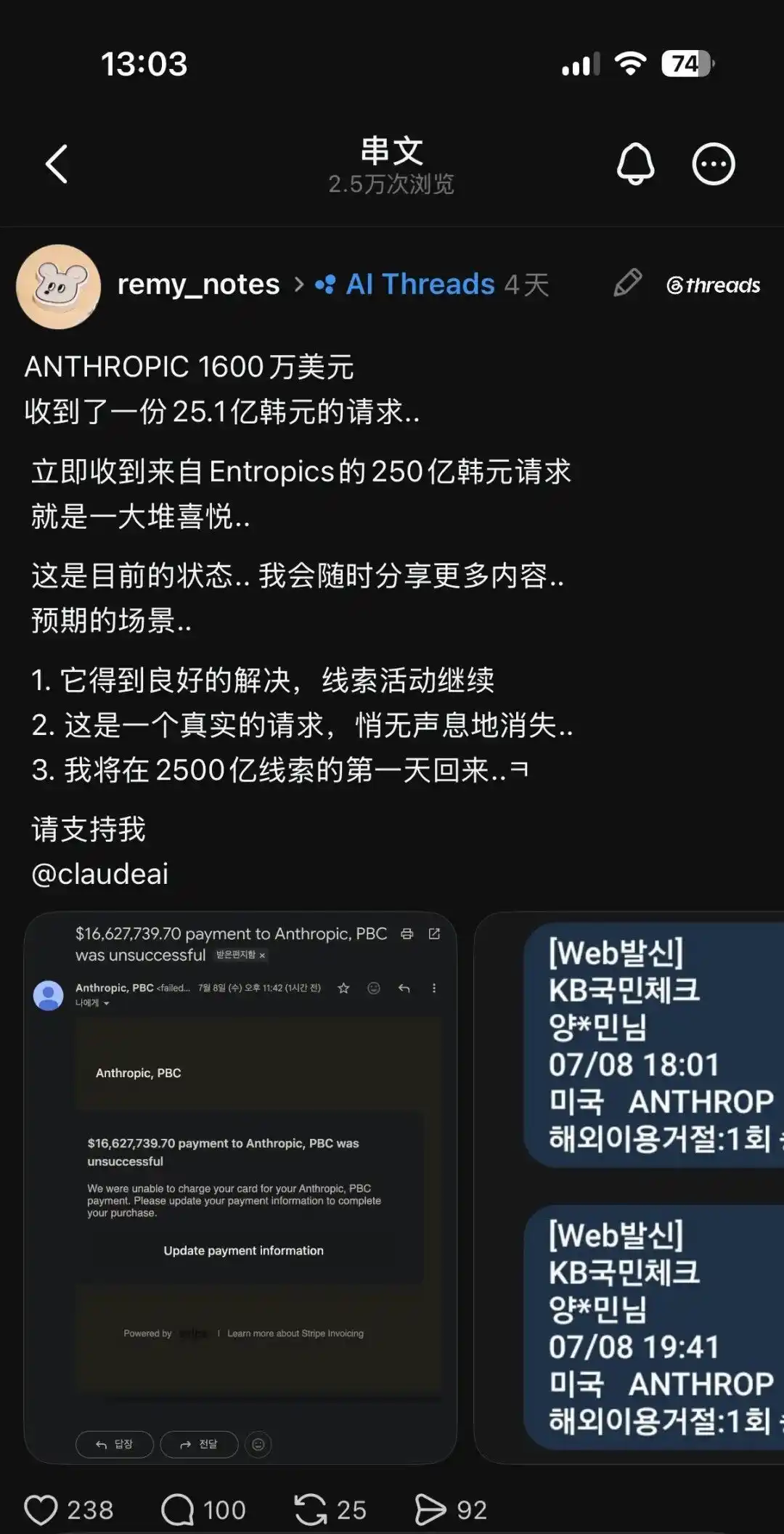
Anthropic is under renewed billing scrutiny after South Korean developer remy_notes posted two invoice screenshots on Threads on July 8. One showed a charge for $1.669 million, roughly RMB 11.3 million. The other showed $16.62 million, roughly RMB 110 million. The two invoices were issued less than 24 hours apart, with the amount jumping by nearly 10 times.
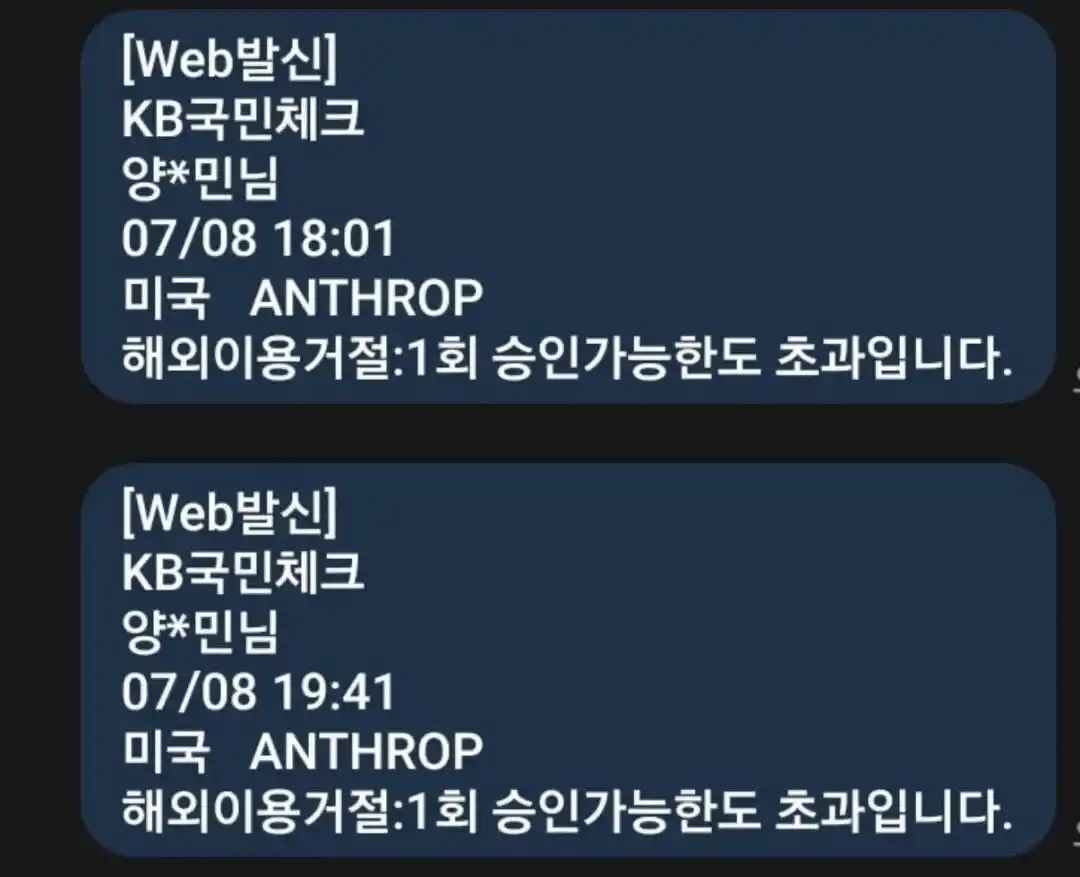
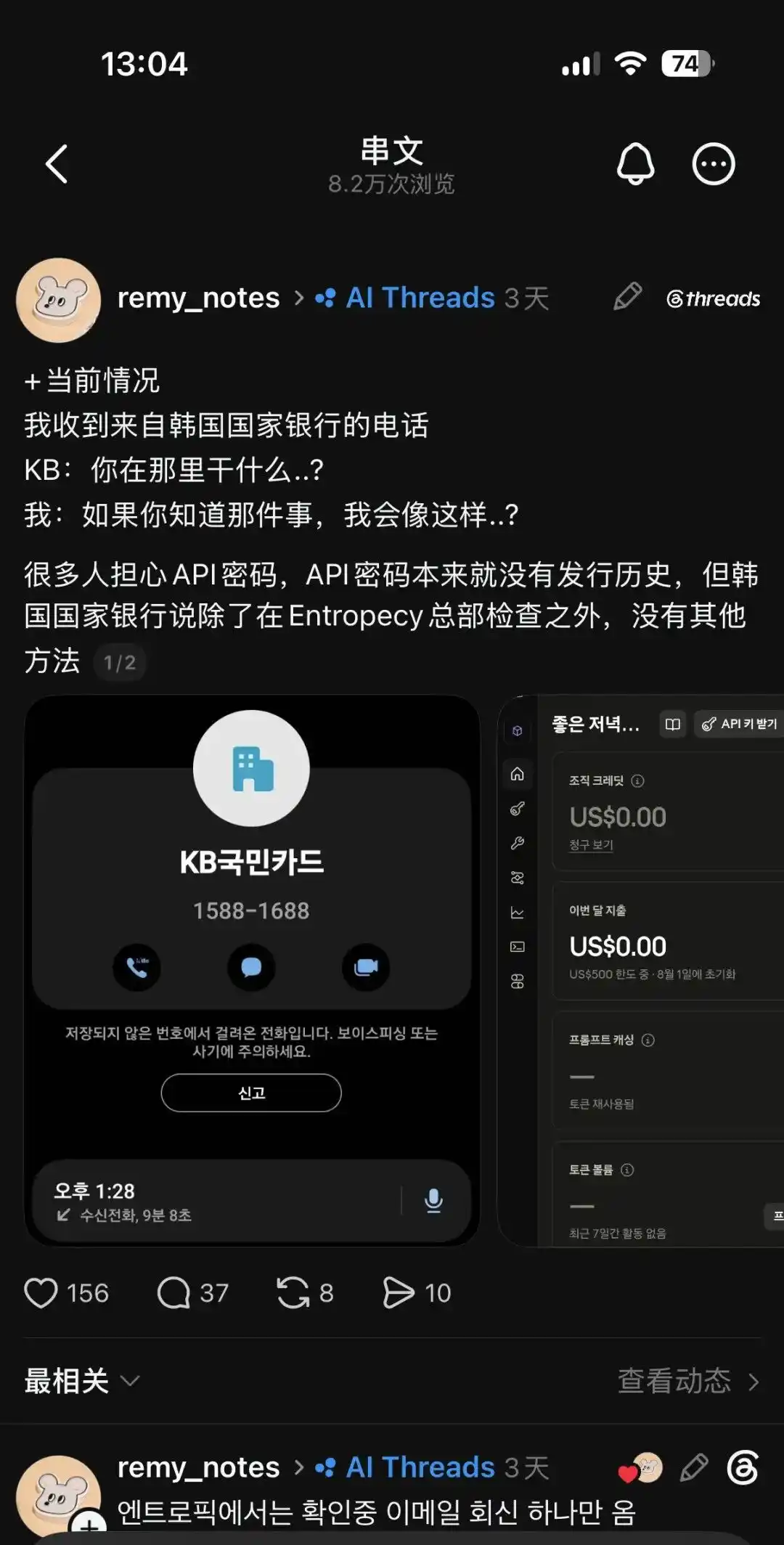
He first thought the messages were phishing emails. After checking them, he said the sender address and payment link both led to Anthropic’s official Stripe domain. On the same day, his KB Kookmin Bank debit card blocked two overseas payment attempts from a U.S. merchant identified as “ANTHROP” because the per-transaction limit was too low.
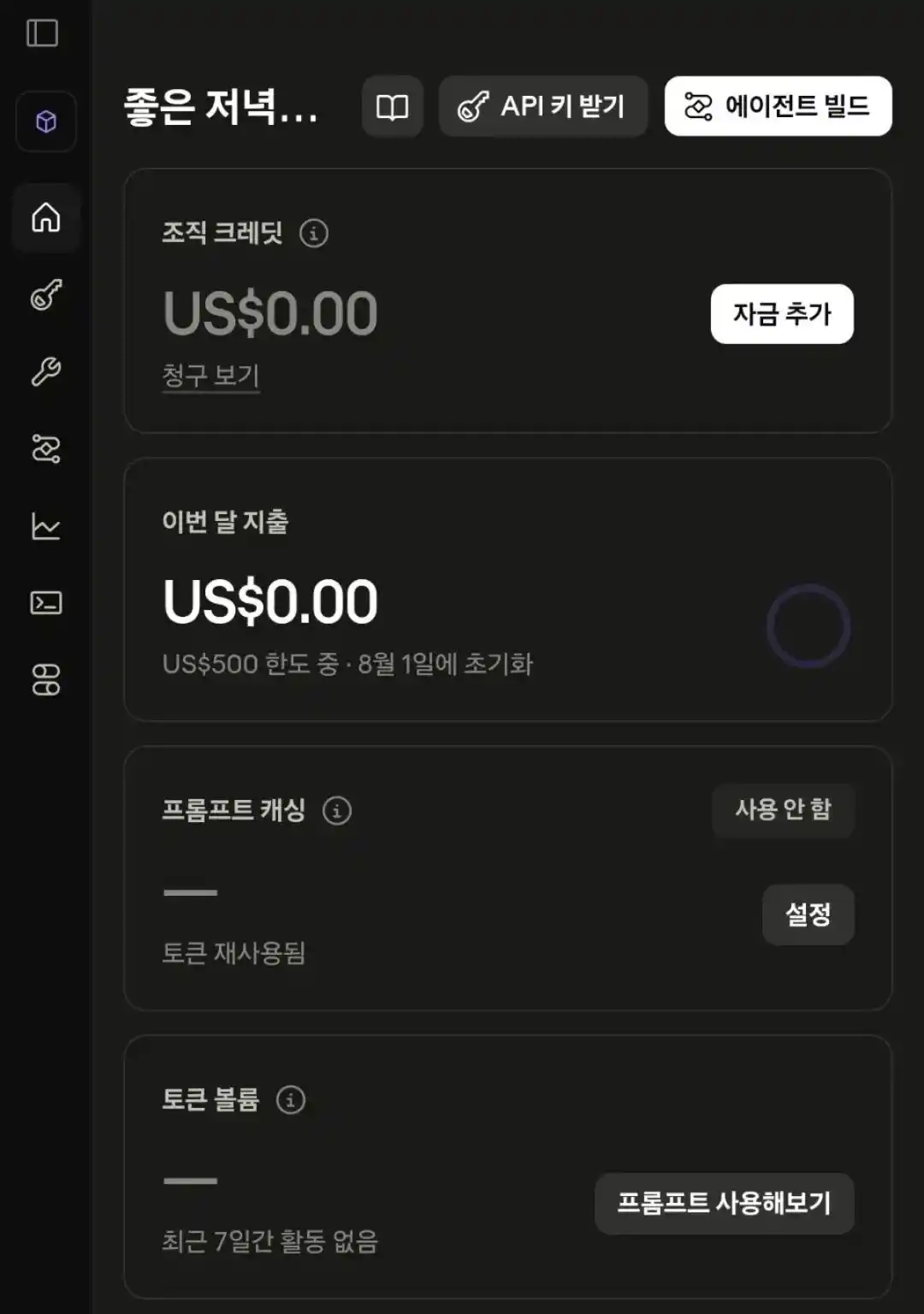
According to the post, the account was on a free plan, had no credit card attached, and showed zero API usage in the backend. As of publication, Anthropic had not publicly explained what caused the invoices.
Vaudit says AI billing errors are not limited to one case
The incident stands out because of the amount involved, but the report argues the larger issue may be systemic. AI billing audit firm Vaudit said it reviewed $34 million in AI invoices for 60 companies from March through June and found about $1.7 million in erroneous overcharges. Most of those were tied to Anthropic’s Claude Code.
Vaudit’s customers include Panasonic, HP, and Honda. CEO Michael Hahn told The Information that several billing patterns appeared repeatedly:
- customers used older, cheaper models but were billed as if they had used newer, higher-priced ones;
- AI agents or chatbots failed to complete requests, or returned errors, yet still generated charges;
- agents repeatedly retried failed tasks in a retry storm, and each retry was billed.
An Anthropic spokesperson said the company does not charge for incomplete requests or error responses, does not route user requests to old models, and that overbilling “does not seem like a widespread issue.”
Still, after complaints from Vaudit and its clients, Amazon, Google, Microsoft, Anthropic, and OpenAI refunded about 80% of the disputed amounts. Hahn said those companies were “very cooperative” in handling billing disputes.
Vaudit also noted that some audited customers did not buy directly from Anthropic. They purchased access through cloud platforms such as Amazon Web Services, Google Cloud, or Microsoft Azure. Once an invoice passes through another layer, assigning responsibility gets harder.
Anthropic billing disputes have been building for months
Mistrust around Anthropic’s pricing was already growing in the developer community. In April, developers identified what the report called the “HERMES.md bug.” When a code commit history contained a specific string, Anthropic’s system allegedly routed requests that should have counted against the Max plan allowance into a higher-priced “additional usage” billing channel.
That meant users paying a $200 monthly subscription could still be billed separately at API rates. Anthropic described the issue as an “authentication routing issue,” but initially declined refunds, which led many developers to file credit card chargebacks.
On June 14, Washington, D.C., user Karl Kahn filed a class-action lawsuit in the U.S. District Court for the Northern District of California. The suit alleges that Anthropic misled users about usage commitments under its Max 5x plan at $100 per month and Max 20x plan at $200 per month.
Kahn said that while using the Max 20x plan, a single five-hour coding session consumed 15% of his weekly allowance. The complaint argues that Anthropic’s usage calculations are opaque and leave users with little ability to verify whether they received what was promised.
Fable 5 pricing changes added to the tension
The report also pointed to Fable 5 as another flashpoint. Described there as Anthropic’s strongest public model to date, it was included in subscription plans when launched on June 9. Thirteen days later, it was removed from the subscription bundle and shifted to usage-based API pricing at $10 per million input tokens and $50 per million output tokens, double the price of Opus 4.8.
During that period, the model was also taken offline globally for 19 days because of U.S. government export controls. When service resumed on July 1, Anthropic offered a free access window of six days, then later extended it to July 12.
Billing transparency is becoming part of AI product competition
The report frames the Anthropic dispute as part of a broader industry problem. AI billing is hard to parse even before errors enter the picture. Model tiers, token usage, API calls, retries, cloud platform markups, and the difference between direct sales and resale all feed into a system that many customers cannot independently verify.
The rise of firms like Vaudit is one sign of that shift. Microsoft used its Build conference in June to introduce MAI-Thinking-1, and AI chief Mustafa Suleyman told Bloomberg that “many people are urgently looking for alternatives to Anthropic’s expensive models.”
OpenAI is also reportedly considering a sharp reduction in token prices. The report added that DeepSeek V4’s output token price is about 1/90 of Sonnet 4.6, making it part of developers’ cost comparisons.
For AI vendors, model performance carried much of the competition over the past year. Now pricing clarity and verifiable usage claims are moving closer to the center of the product experience. Anthropic may be the company in focus today, but the billing questions raised here extend well beyond one provider.