
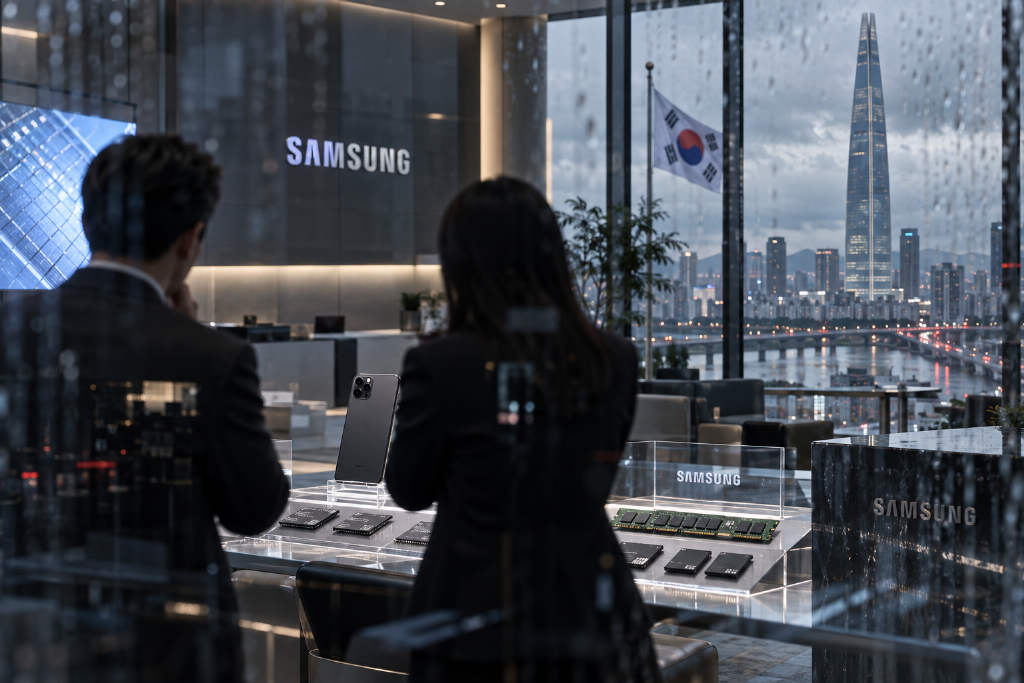
Apple has accepted Samsung Electronics’ mobile memory pricing for the first quarter of 2027, with DRAM quoted near $2.0 per Gb and NAND flash near $0.33 per Gb, according to an exclusive report from Jiemian News published on Sept. 15.
Compared with third-quarter pricing this year, the increase comes to 30% to 40%. That is well above the 7% to 10% range South Korean media had reported last week. The report added that Apple’s acceptance leaves Android handset makers with even less room to negotiate.
Quoted increases came in far above earlier expectations
Days earlier, South Korean media had said Samsung planned to restart pricing talks and seek an additional 7% to 10% increase for mobile DRAM and NAND. The figures disclosed by Jiemian News show the pricing Apple accepted was much higher, at 30% to 40%.
Using third-quarter levels as the reference point, Samsung’s LPDDR4X was quoted at about $1.4 per Gb, up 3% quarter on quarter. LPDDR5X was about $1.5 per Gb, up 5%. NAND was about $0.26 per Gb, up 8%.
Supply chain sources told Jiemian News that actual transaction prices in the third quarter were only 1% to 2% above quoted levels, still below what the market had expected. In the same period, server DRAM prices rose more than 20%, widening the gap between consumer and server markets.
HBM and server demand continue to absorb capacity
TrendForce data cited in the report showed supply conditions have remained tight over the past year. DRAM and HBM capacity at Samsung, SK Hynix and Micron has been almost fully locked in.
For NAND, manufacturers are allocating only 60% to 70% of customer demand. Large cloud service providers and AI labs have secured much of the available supply through long-term contracts.
The report also said the three major producers are continuing to reduce consumer NAND wafer output and redirect capacity toward higher-margin HBM and server products. Based on Omdia data, Samsung plans to cut NAND wafer output in 2026 to 4.68 million wafers from 4.90 million in 2025. SK Hynix is set to reduce output from about 1.90 million to 1.70 million wafers, while Kioxia will lower output from 4.80 million to 4.69 million wafers.
With supply being deliberately tightened while demand keeps growing, the market structure remains firmly in sellers’ favor.
Chinese handset makers have limited leverage
Demand on the smartphone side remains weak. Sources said this year’s handset demand picture is already largely clear, and the fourth quarter is unlikely to bring a meaningful increase.
OPPO and vivo had both rejected Samsung’s third-quarter pricing earlier, and some vendors chose to wait or delay purchases. Even so, that resistance did not change suppliers’ pricing stance.
Against that backdrop, some phone makers have started evaluating second-hand memory components as a way to offset cost pressure. One industry source said, 「Even Apple accepted this pricing, so domestic vendors have even less standing to negotiate.」
Higher memory costs are showing up in Apple products
TrendForce estimated that the memory cost of the iPhone 18 Pro 256GB version rose nearly fourfold from a year earlier. The share of storage components in the phone’s bill of materials climbed to 34%, from about 10% a year ago.
After Apple’s Sept. 9 fall product event, the starting price of the iPhone 18 Pro in mainland China increased by RMB 1,000 from the previous generation to RMB 9,999. Older models still on sale, including iPhone Air and iPhone 17, were also marked up, with the biggest increase reaching RMB 2,300. Apple officially attributed the move to higher memory chip prices.
UBS sees tightness lasting into the first half of 2028
UBS forecast memory demand growth of 36.2% in 2027, versus supply growth of 19.3%. Excluding the impact of inventory replenishment, the actual supply-demand gap is expected to widen from -8.1% in 2026 to -13.6% in 2027. The report described that level of tightness as the most severe seen in nearly 30 years, with supply stress likely to extend into the first half of 2028.
The report also said the industry generally expects the price gap between consumer and server memory to narrow gradually in the first quarter of next year as OEMs continue cutting consumer-grade orders. Even so, as HBM and AI server demand keeps absorbing high-end capacity, consumer memory is becoming scarcer.