
Apple pushed the final release of iOS 27 in the early hours of Sept. 15 Beijing time, three months after the software first appeared at WWDC. Apple says the update brings changes across interface design, system responsiveness, and feature tuning.
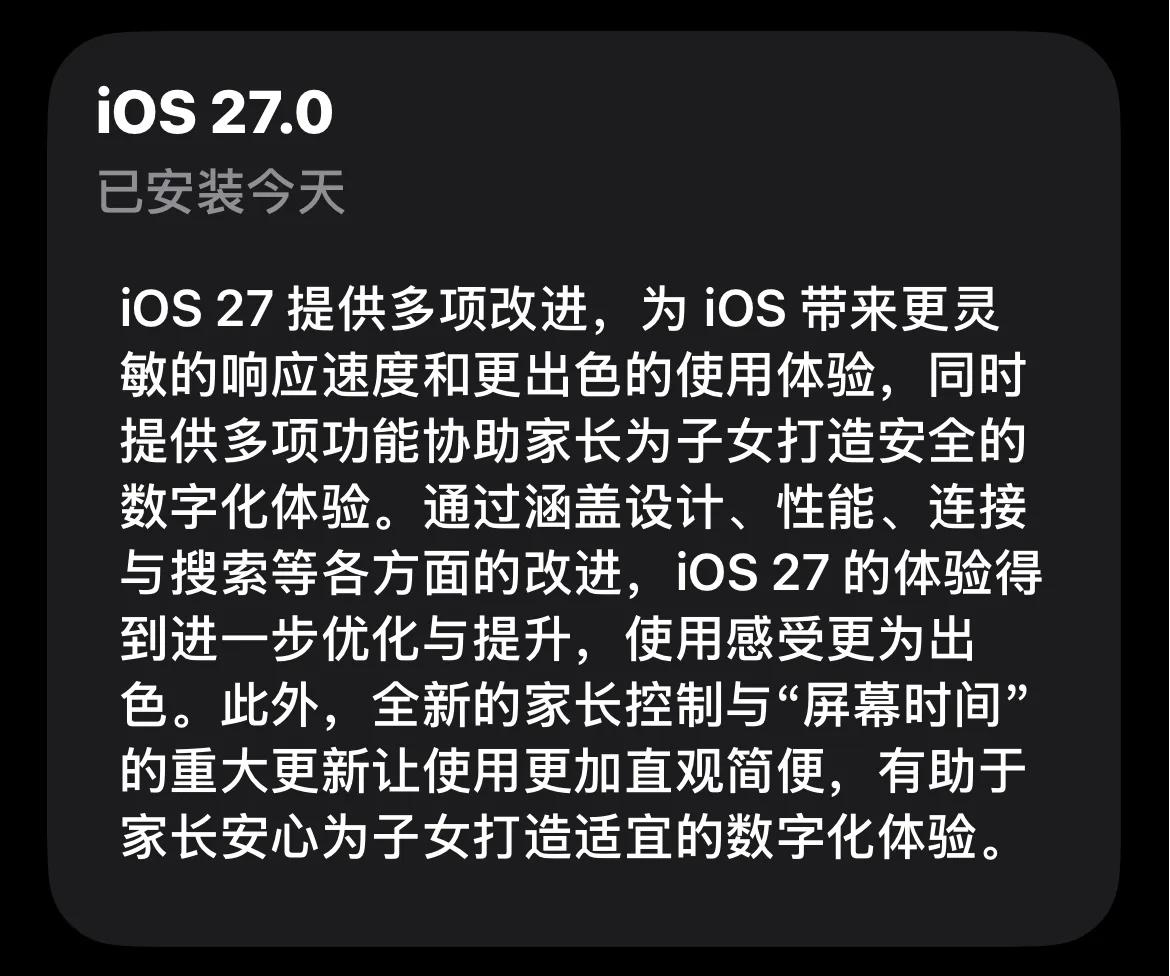
For users in mainland China, though, Apple Intelligence is still missing. Strip out the AI layer and the version’s visible upgrades are less about one big headline feature and more about many small changes scattered across the system. In a detailed review, Lei Technology said that is exactly where iOS 27 is strongest, together with better smoothness than iOS 26.
Ten changes ordinary users are most likely to notice
Lei Technology said Apple Intelligence is one of the main talking points in iOS 27, but because it has not landed on China-market devices, the changes regular users can actually feel are mostly in everyday details. The outlet listed 10 updates it believes stand out most.
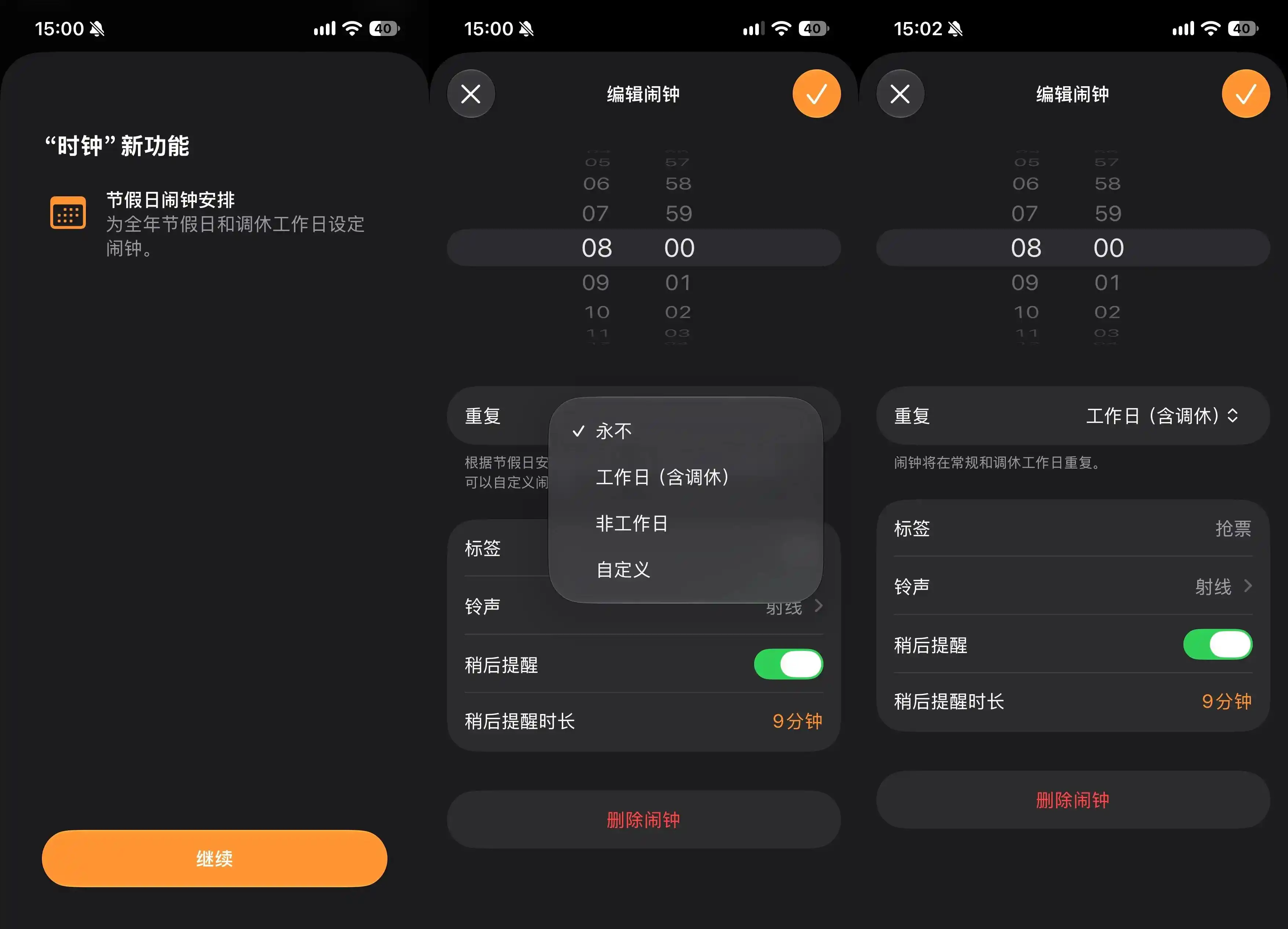
1. A holiday alarm option finally arrives
One long-running complaint from Chinese iPhone users has been the lack of holiday-aware alarms. People could be woken up on public holidays or miss work on make-up workdays during adjusted holiday schedules.
In iOS 27, that option has been added to the Clock app. Repeat settings now include workdays, including adjusted workdays, non-workdays, and custom schedules.
2. Video frame extraction and more camera customization
In the Photos app, users can now save a single frame from a video as an image. That offers a cleaner alternative to screenshots, which can reduce image quality and capture playback controls or other on-screen elements.
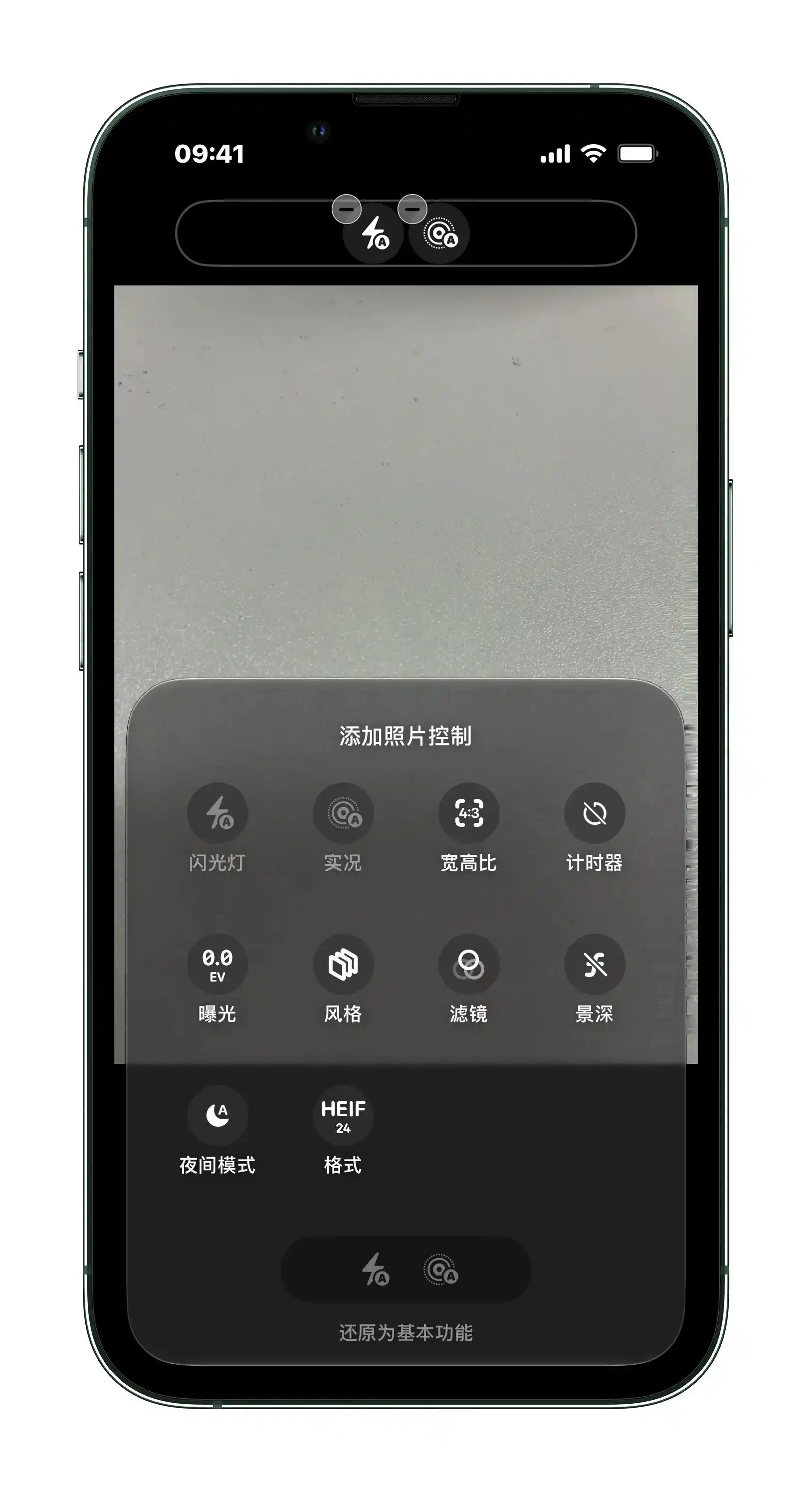
The built-in camera app also gets more flexible shortcut controls. Users can pin functions such as filters, exposure, and the timer for quicker access while shooting.
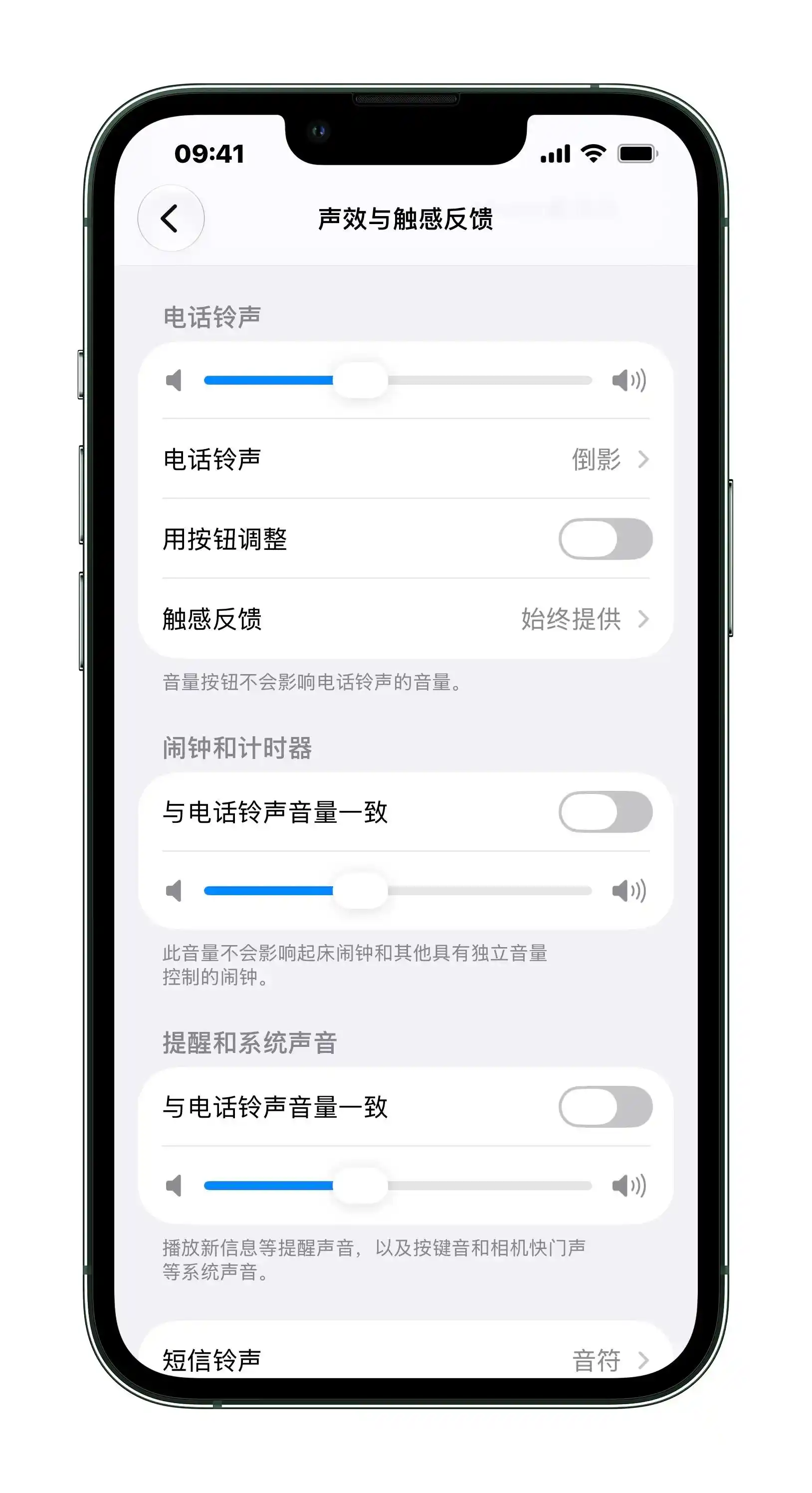
3. More granular volume settings, but still not per-app audio control
iPhone users have long had to deal with linked audio controls across apps and system functions. Change the volume in one context and other apps, or the system itself, could be affected.
iOS 27 partly addresses that by letting users set alarm volume and alert volume separately from the ringtone volume.
It still does not offer independent volume control for third-party apps. Lei Technology said that leaves Apple well behind Android on this point, even if Apple’s more limited approach may help avoid a messy audio setup.
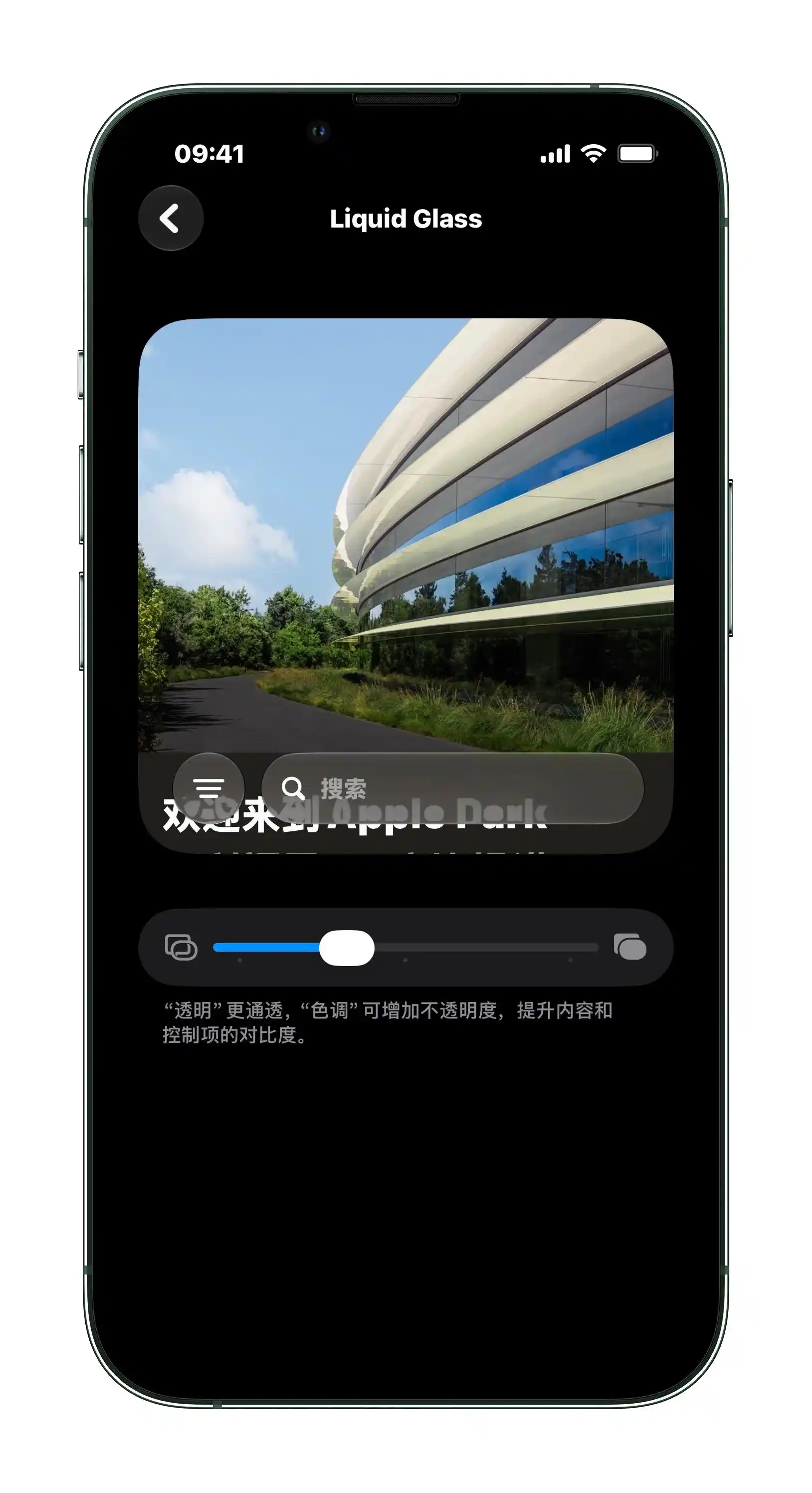
4. Liquid Glass transparency is now adjustable
Liquid Glass was one of the most visible interface changes introduced with iOS 26. Users have been split on it. Some like the more modern look, while others think the effect interferes with other elements on screen or simply dislike the design.
With iOS 27, Apple now lets users adjust the transparency level themselves, choosing an effect somewhere between fully transparent and opaque.

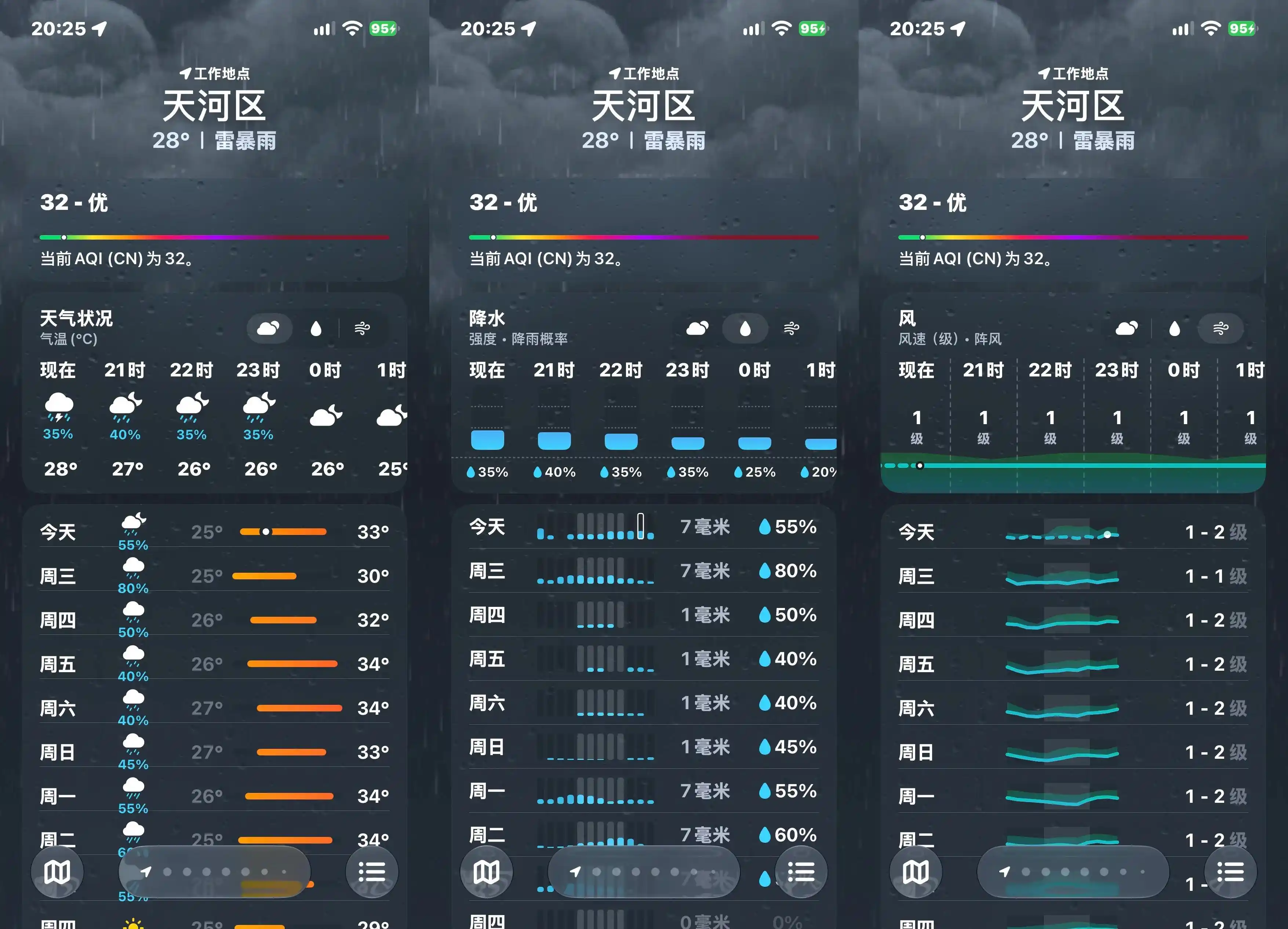
5. Weather offers more detailed hourly information
The Weather app in iOS 27 has also been revised in both layout and function. Users now see tabs for weather, precipitation, and wind at the top of the interface. In the precipitation view, for example, the app shows hourly rain probability for the current day, while rainfall expectations for the coming days appear in chart form.
Lei Technology described the added detail as practical, especially compared with many mainstream weather apps in China that it said are bloated, packed with functions, and heavy on ads and promotional content.
6. Character-component input comes to Apple’s Pinyin keyboard
Apple’s built-in Pinyin keyboard now supports character-component input. Lei Technology gave the example of the Chinese character 「犇」: a user who does not know the pronunciation can type 「niuniuniu」 to produce it.
The feature is still incomplete, according to the review. It currently works only with the full keyboard layout, not Apple’s built-in nine-key Pinyin keyboard. Some rare characters also cannot be entered this way. The report cited 「喆」 as an example, saying typing 「jiji」 does not return the character.
Lei Technology also said the method does not work for more common characters such as 「林」 or 「明」, and noted that Apple decides what counts as common or rare, a distinction that is not always accurate.
7. Wallet can now store QR codes manually
In iOS 27, Apple Pay’s Wallet supports manual addition of passes such as tickets and membership cards. Earlier versions could add QR codes only through handoff from a third-party app. Now users can place third-party QR codes into Wallet directly.
Lei Technology said the feature is mainly useful for organizing QR code screenshots because it supports only static codes. In many real-world cases, including e-tickets and train tickets, QR codes refresh dynamically, which limits the feature’s practical value.
8. AirPods noise control gets fine tuning and manual EQ
AirPods also pick up a quieter but meaningful upgrade in iOS 27. The usual choices have been fixed modes such as Active Noise Cancellation, Transparency, and Adaptive. Now, if users pick Adaptive mode, they can fine tune it to lean more toward transparency or more toward noise blocking.
Apple also adds user-adjustable EQ for AirPods, with separate control over bass, mids, and treble.
9. Location sharing can now be timed
Find My has long supported sharing a user’s location with someone else, but the options were previously limited to continuous sharing or none at all. In iOS 27, users can share their location for one hour, one day, or a custom period.
Lei Technology said the feature fits temporary use cases, such as meeting friends and trying to find one another. It compared the function with location sharing in WeChat, but said Apple now offers more flexibility. The recipient must be saved in Contacts before location sharing can be enabled.
10. Better smoothness may be the most important upgrade
Lei Technology said the most important change is simple: the system feels smoother. Apple says app launch speeds can improve by as much as 30%, while photo loading can improve by as much as 70%.
Based on a full day of use, the outlet said iOS 27 shows a clear improvement over iOS 26, with smoother app opening and animation transitions and fewer of the occasional frame drops seen in the previous version.
Fewer bugs than iOS 26, but not bug-free
One of the biggest criticisms of iOS 26 was the number of bugs. Lei Technology said iOS 27 is much better on that front, though some issues remain.
It pointed to sluggish manual focus-box response in the camera interface, a more noticeable delay when deleting photos in the gallery, and user feedback saying AssistiveTouch can still stutter in accessibility mode. It also said some second-level menu text in Settings does not turn bold even when bold text is enabled.
Even so, the review judged iOS 27 favorably on both smoothness and bug reduction. For people already on iOS 26, the outlet said an upgrade is worth considering. For users still on iOS 18, it suggested taking more time before deciding. Both iOS 26 and iOS 27 use the Liquid Glass design language, which some users do not like, and the iOS 27 release build still has smaller issues that may be fixed later.
Supported devices and upgrade advice
Device compatibility is broadly in line with iOS 26, with the iPhone 11 from 2019 still the oldest supported model. But Lei Technology said iOS 27 carries a relatively heavy hardware burden and does not recommend upgrading very old devices.
Citing a report by Zhongxin Jingwei, the review said Apple customer service advised against updating devices older than the iPhone 13 to iOS 27. Lei Technology said that advice is reasonable, adding that both the iPhone 11 and iPhone 12 series may struggle with the Liquid Glass visual effects because of chip performance and memory limits.
Updating to iOS 27 does not mean getting Apple AI
The article stressed that installing iOS 27 does not automatically unlock Apple’s latest AI features. Apple Intelligence has not yet launched for mainland China devices, and the oldest model that supports Apple Intelligence is the iPhone 15 Pro. Earlier devices are excluded.
Support for iOS 27’s on-device AI models is narrower still. The report said devices need 12 GB of memory, which limits support to the iPhone 17 Pro, iPhone 17 Pro Max, and iPhone Air among older models, plus the newly released iPhone 18 Pro, iPhone 18 Pro Max, and iPhone Duo.
China AI gap leaves iOS 27 in a tougher fight with domestic systems
Lei Technology framed iOS 27 against an unusually crowded September phone launch cycle. Apple and Huawei have already unveiled flagship products, MediaTek has just finished its flagship chip event, Qualcomm is next, and Xiaomi, OPPO, vivo, and Honor are expected to follow with their own high-end launches before month-end. This year, the Android camp has moved flagship release timing forward, putting it into more direct competition with Apple.
The report said Apple’s biggest variable this year is the iPhone Duo. As Apple’s first foldable, it has drawn a muted reception, according to Lei Technology, which said the device lacks hardware novelty, trails mature Android foldables in some specifications, and is priced well above competing foldable products.
On software, the outlet said iOS 27’s strengths are relative smoothness and a lower bug count, though that comparison is largely against iOS 26. On AI, it said Apple has done some catching up, but China-market devices are still behind.
The report contrasted that with domestic brands’ custom operating systems, which it said are accelerating their shift toward AI and agent-based interaction. It cited Huawei HarmonyOS 7, Xiaomi HyperOS, OPPO ColorOS 16, vivo OriginOS 6, Honor MagicOS 11, and agent-centric phones such as Nubia NaviX Ultra. In Lei Technology’s view, those platforms are combining better smoothness with AI capabilities that now outclass iOS 27, especially in handling complex cross-app tasks.
That does not mean Apple has no advantages left. Lei Technology said the Liquid Glass aesthetic pushed by iOS 26 and iOS 27 is gradually becoming mainstream, Apple’s brand appeal remains strong, and Android skins still borrow heavily from iOS while often carrying more ads and promotional clutter.
At the same time, iOS 27 is learning from Android. Many of the new features highlighted in the review already have rough equivalents on Android devices. A large part of this update is about giving users more control, from alarm schedules and Liquid Glass transparency to fine tuning of noise cancellation. Lei Technology said that can be read either as Apple handing power back to users or as Apple taking a lazier path.
The article closed with a broader point: iOS and Android continue to converge. Apple is absorbing practical ideas long seen on Android, while Android brands keep moving toward Apple in interface aesthetics and ecosystem integration. But at a moment when AI agents are expected to break out in 2026, the absence of AI features on mainland China devices leaves iOS 27 at a disadvantage in competition with domestic flagship systems.