
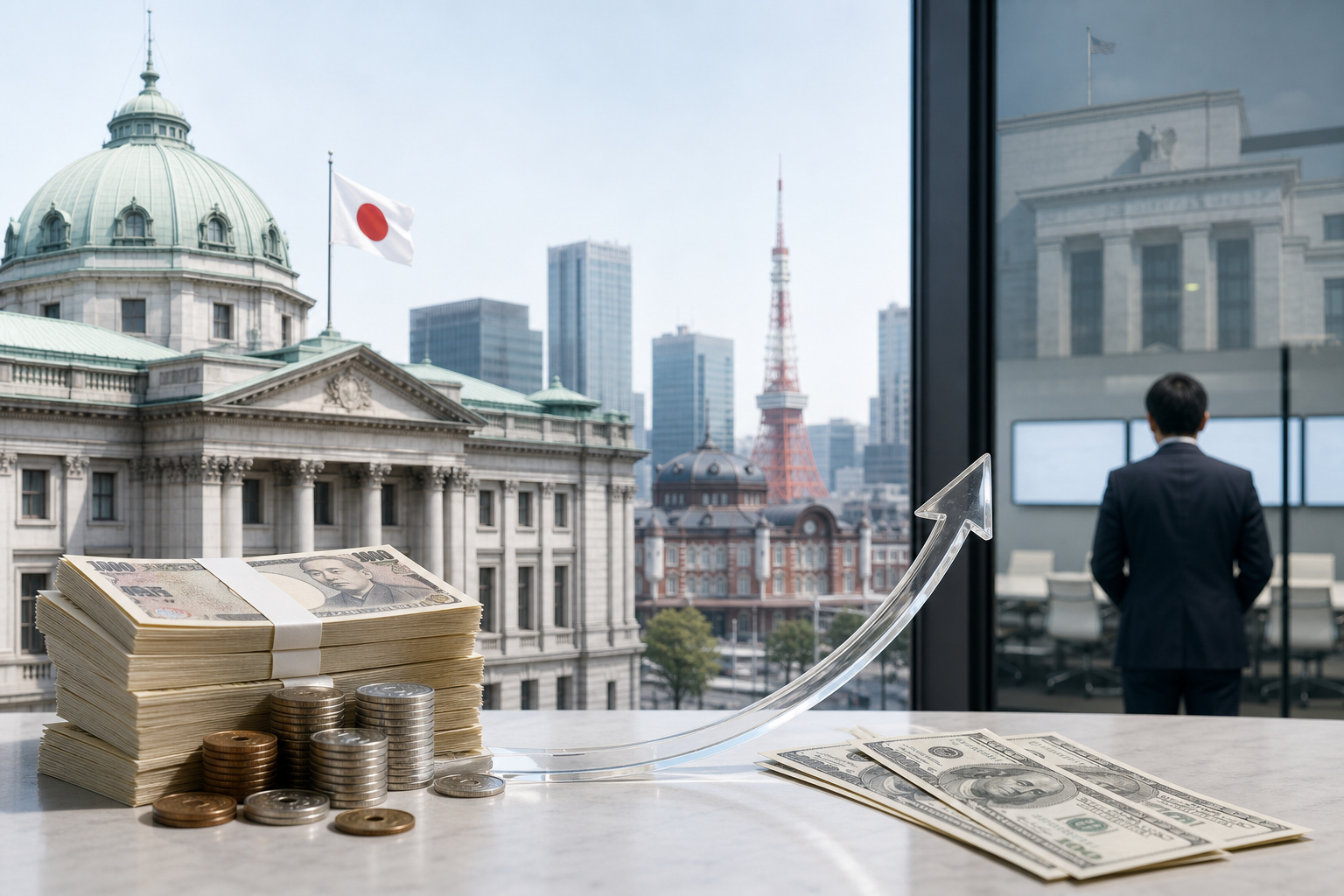
Arthur Hayes said in a post on X that his essay "Yen-quake" will explain what he described as Buffalo Bill Bessent’s plan to influence the U.S. dollar-Japanese yen exchange rate and restart the monetary printing press.
Hayes wrote that the yen’s steady weakening over the past decade helped drive gains across global asset markets, but said that dynamic will eventually come to an end. He called the yen the most undervalued currency in the world and said it has become a point of contention for the U.S., China, and ordinary Japanese voters.
Three routes Hayes says could strengthen the yen
Hayes said there are three ways to address the yen issue, though in his view the U.S. Treasury and Japanese political figures favor only one of them. He said he plans to explain how each route works, why the third option is the preferred one, and how it could be carried out politically.
- A large rate hike by the Bank of Japan, enough to eliminate at least the short-end interest-rate gap between USD and JPY.
- The government persuades domestic institutions and public bodies such as GPIF to change their mandates, sell foreign assets, and buy domestic assets.
- The preferred option: Japan’s Ministry of Finance delivers its U.S. Treasury holdings to the Federal Reserve through repo transactions in exchange for dollars, then sells those dollars and buys yen in the foreign-exchange market.
His comments on recent U.S.-Japan moves and the FIMA repo facility
Before getting into the details, Hayes said speculators should ask why yen appreciation is being discussed now. He wrote that for decades many people have argued that the yen was about to strengthen and trigger an unwind in global carry trades.
He added that U.S. and Japanese monetary policymakers carried out a joint exchange-rate operation two weeks ago, though it was described more politely as intervention. Hayes also cited comments from U.S. Treasury Secretary Buffalo Bill Bessent, who said he wants higher counterparty limits for the FIMA repo facility so that Japan’s Ministry of Finance can use its large reserve assets to defend the yen. Japan’s Ministry of Finance, Hayes said, has also stated that it is working closely with the U.S. to push USD/JPY lower.
According to Hayes, officials are signaling to the market that they support a change in global currency relationships, and that the market needs to pay attention.
What he said about crypto
Hayes said that as dollar liquidity rises sharply, Bitcoin and cryptocurrencies will also move higher.