
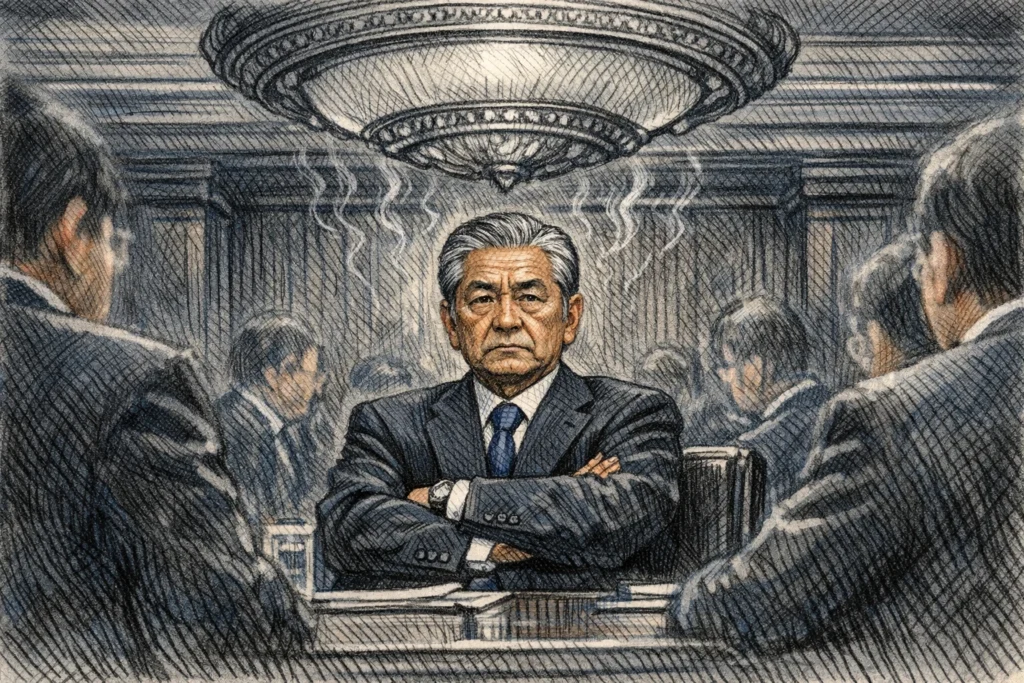
The Bank of Japan may consider another rate hike at its Sept. 17-18 monetary policy meeting after raising rates in June, according to Jiji Press, which cited people familiar with the matter.
The report said the BOJ could revisit tightening as inflation risks build.
Three factors are pushing prices higher
People familiar with the matter said Japanese prices could keep rising for three main reasons.
- Fast growth in AI demand: capital spending tied to AI is lifting demand for equipment and energy, adding to price pressure.
- A weaker yen: higher import costs are being passed on directly to consumers.
- Higher crude oil prices: energy cost pressure is continuing to spread through the broader price picture.
Market expectations on the pace of hikes are changing
Until recently, many financial market participants had expected the BOJ to raise rates at a pace of about once every six months. That view is now being tested.
A summary of opinions from the July 30-31 policy meeting, released Monday, Aug. 11, showed that some policy board members have already called for a quicker pace of rate increases.
According to the summary, one member said 「the pace of policy rate increases could exceed market expectations」. Another said the BOJ needs to 「accelerate the pace of adjusting the degree of monetary easing」.
Focus is shifting from reaching the target to avoiding an overshoot
The hawkish comments suggest the BOJ’s policy focus is changing. With core CPI continuing to move close to the 2% inflation target, attention is shifting from how to achieve that target to how to prevent inflation from overshooting on the upside.
The report said this aligns with the experience of major central banks elsewhere: once inflation expectations lose their anchor, the cost of bringing them back can exceed the cost of tightening policy earlier.
Possible implications for crypto markets
Japan is one of the world’s biggest sources of yen carry trades. The low-rate yen environment has helped push capital into higher-yielding assets, including U.S. equities and cryptocurrencies.
If the BOJ speeds up rate hikes, the cost of yen carry trades would rise and some funds could flow back into Japanese markets. A more stable yen could also help ease imported inflation, but it may reduce liquidity for global risk assets.
The report said crypto market sensitivity to Japanese capital outflows will depend on both the size and speed of any hikes. A gradual path may have limited impact, while a pace that is clearly faster than expected could trigger short-term volatility.