
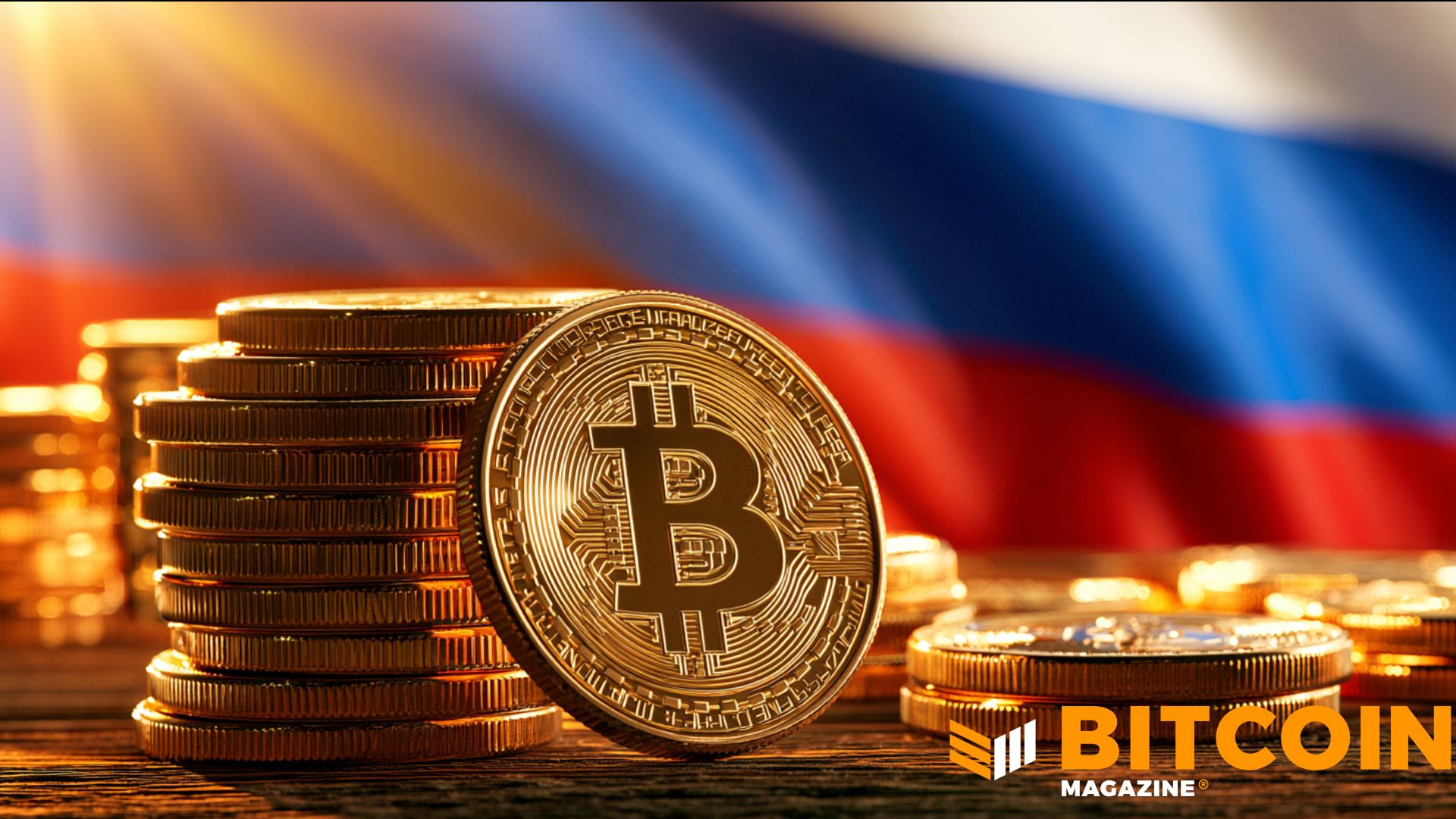
The Bank of Russia on Monday published draft regulations for digital currency trading and updated its organized trading rules to include the term “digital currency.” Under the proposal, entities such as crypto exchanges would need to route digital assets through their existing systems for pricing, monitoring, and reporting, using the same operational processes they already apply to regular currencies and securities.
Draft rules bring crypto into existing market infrastructure
The central bank’s proposal focuses on amendments to its organized trading rules. Those changes formally insert “digital currency” into the framework and set expectations for how trading venues and similar organizations should process crypto-related activity.
According to Bitcoin Magazine, the Bank of Russia said it had drafted the “first regulations to launch cryptocurrency market in Russia.” The central bank also said it had “created conditions for organised trading in digital currencies and digital rights.”
State Duma prepares broader crypto regulation
The draft rules were published as Russia’s State Duma prepares more comprehensive regulation for the crypto sector. The report does not say when the new rules could take effect, but it places the central bank’s move alongside a wider legislative effort now taking shape.
Russia’s relationship with Bitcoin remains mixed
While the new rules do not mention Bitcoin by name, the report says Russia’s relationship with the largest cryptocurrency has been complicated. Crypto has been illegal in Russia as a form of payment since 2022. At the same time, lawmakers in the country have been open about using digital assets for international settlements.
The article also notes that President Vladimir Putin has spoken about Russia’s competitive advantages in Bitcoin mining, citing the country’s access to abundant cheap energy. In 2023, the Russian legislature passed a bill legalizing the use of digital currency for international payments.
Report points to sanctions context and Putin’s 2024 remarks
The article says that bill likely helped Russia skirt international sanctions. It adds that the U.S. and European governments sanctioned Russia after its annexation of Crimea in 2014, and that Western nations increased penalties after Russia invaded Ukraine in 2022.
Bitcoin Magazine also cited remarks Putin made at a forum in Moscow in December 2024, where he said new technologies were emerging that could help people move money. “For example, Bitcoin, who can ban it? Nobody,” he said at the time.
The story first appeared in Bitcoin Magazine and was written by Mathew Di Salvo.