

BaolaiTe (300246.SZ) reopened trading on Aug. 10 after nearly a week of suspension, and the market reaction was immediate. The stock was pinned to the 20% daily down limit throughout the session and closed at 15.41 yuan after the company said its planned control change had been terminated.
The sell-off marked more than a simple unwind of trading sentiment. The failed control-change process erased a market narrative that had built around a possible change of ownership and a cross-industry restructuring, while the company’s own operating pressure, recurring losses and near-term debt burden remained in place.
Control-change plan ends after weeks of speculation
On the evening of July 31, BaolaiTe disclosed that controlling shareholder Yan Jinyuan and concerted party Wang Shi were planning a major matter that could lead to a change in control. The announcement quickly drove market interest.
The first signs of that ownership shift had appeared much earlier. On Jan. 12, 2026, Yan Jinyuan and Wang Shi signed a share transfer agreement with Zhejiang Quweizhihe Holding Partnership, transferring 7% of the company at 9.45 yuan per share for cash proceeds of about 175 million yuan. The transfer was completed on May 28, making Quweizhihe an important shareholder with more than 5% ownership.
Quweizhihe, which was established in September 2025, did not attract attention because of any clear operating business of its own. Market focus instead turned to Weigu Information Technology (Quzhou) Co., Ltd., the company behind it.
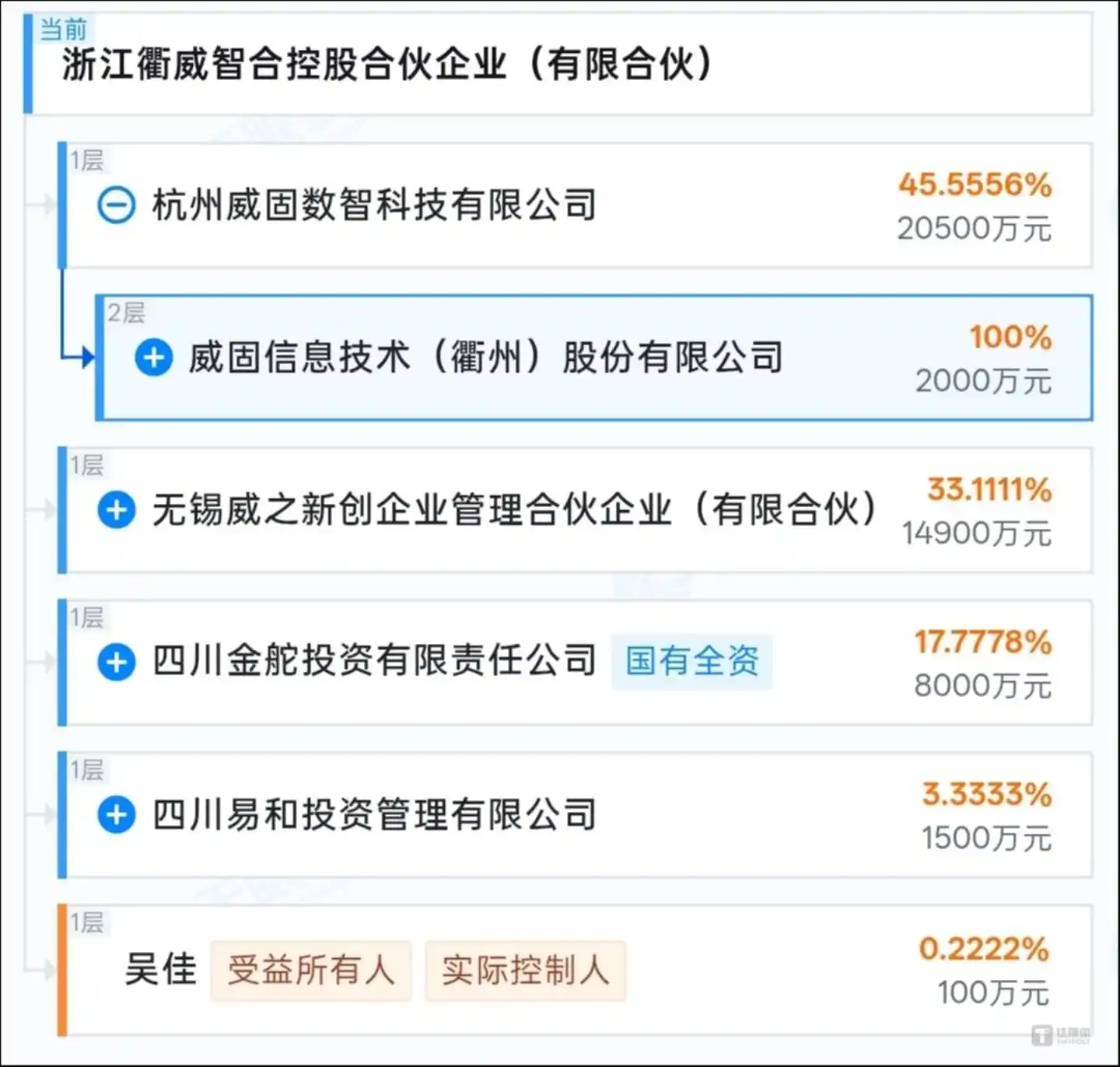
According to public information cited in the original report, Weigu Information focuses on highly reliable special-purpose solid-state storage, develops its own flash controllers and firmware algorithms, and offers chip-level, embedded and ruggedized storage solutions. Its products are aimed at high-reliability use cases including aerospace, military equipment, rail transit and automotive-grade applications. The company has also expanded into domestic information technology adaptation and industrial storage, while its core team has a technical background in supercomputing projects and holds a full set of military industry qualifications.
Its funding history also drew attention. In December 2020, Weigu Information completed a 200 million yuan Series C round with participation from an Aerospace Science and Industry investment platform, Chinalco Capital, Shandong Hi-Speed and other state-owned or local state-backed investors, along with industrial capital from several listed companies. In September 2021, it raised several hundred million yuan more in a Series C+ round, with investors including Shenzhen Capital Group, Qianhai Fund of Funds and Chaoyue Moore Fund. It completed a D+ round in August 2024.
The mismatch between Weigu Information’s storage-related business and BaolaiTe’s medical-device business became the basis for broad market speculation. Investors began to price in a possible cross-sector restructuring.
That expectation pushed the stock sharply higher in 2026. From a Jan. 5 closing price of 8.61 yuan, BaolaiTe kept rising and hit an intraday high of 21.67 yuan on May 20, for a maximum gain of 151.68% over the period. Before the July 31 suspension, the stock was still up 137.78% for the year, and it had jumped 10.37% on the final trading day before the halt.
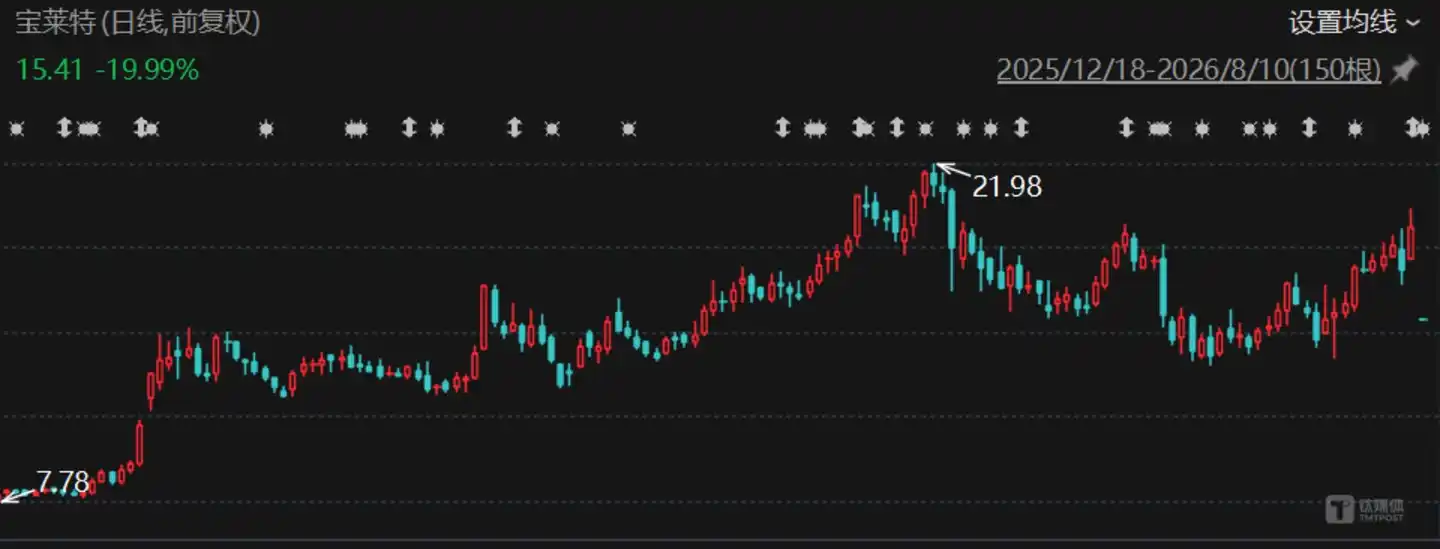
The story changed on the evening of Aug. 7. BaolaiTe said that during the suspension period, the controlling shareholder and counterparties had conducted full discussions on the matter, but the parties decided to stop planning the control change. The company said: 「由于涉及事项较多,相关交易方经慎重考虑,认真听取各方意见,决定终止筹划本次控制权变更事项」.
Losses continue as core business remains under pressure
If the termination of the control-change plan was the immediate trigger for the plunge, the company’s underlying financial condition remains the deeper issue.
BaolaiTe, a medical device maker listed on ChiNext in 2011, initially built its position through its patient monitor business. Over time, its hemodialysis business became its largest revenue pillar, shifting the company’s operating focus toward kidney-care medical services and equipment. The monitor segment, however, remains in place as an important high-margin business line.
Since 2023, the company has stayed in the red. Financial data cited in the report showed net profit of negative 65.1851 million yuan in 2023, negative 71.4413 million yuan in 2024 and negative 69.4278 million yuan in 2025, bringing cumulative losses over three years to more than 200 million yuan.
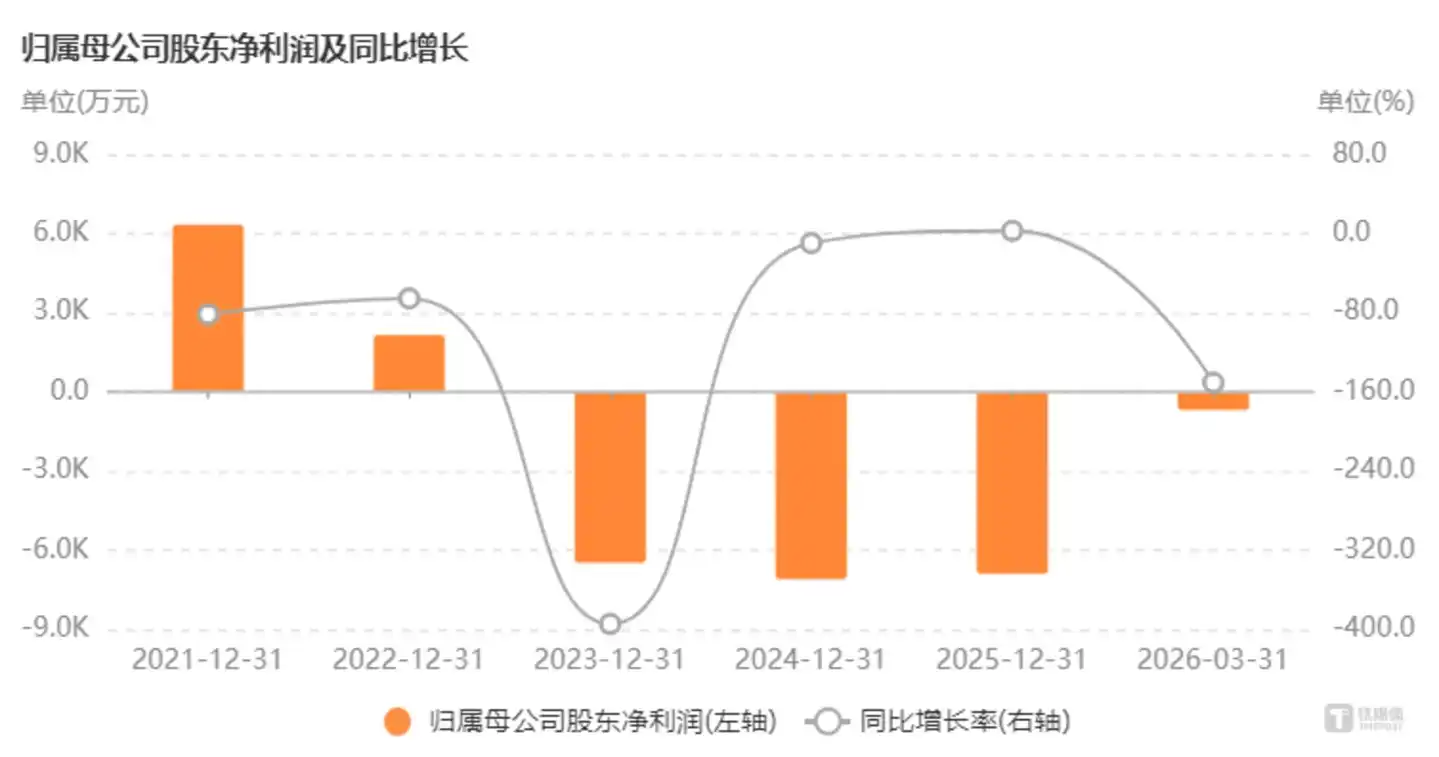
The pressure extended into 2026. First-quarter results showed revenue down 1.91% year over year to 243 million yuan. Net loss came to 7.3189 million yuan, while non-recurring-adjusted net loss widened to 14.6275 million yuan.
The original report linked part of that strain to centralized volume-based procurement for medical consumables led by China’s National Healthcare Security Administration. As bulk procurement was fully rolled out for domestic hemodialysis consumables, prices for products such as dialyzers and dialysis fluid fell sharply, squeezing BaolaiTe’s gross margin.
Convertible bond maturity adds to near-term funding stress
Profitability is not the company’s only problem. BaolaiTe also faces notable short-term repayment pressure. As of the end of the first quarter of 2026, current liabilities stood at 830 million yuan, while cash on hand was 457 million yuan, leaving existing cash resources short of covering all near-term obligations.
A more immediate source of pressure is its convertible bond. The company’s convertible corporate bond, Baolai Convertible Bond, is due on Sept. 3, 2026, with about 218 million yuan in remaining face value. With the latest share price at 15.41 yuan, below the conversion price of 18.30 yuan, bondholders have little incentive to convert into stock. That leaves the company facing a more direct repayment burden.
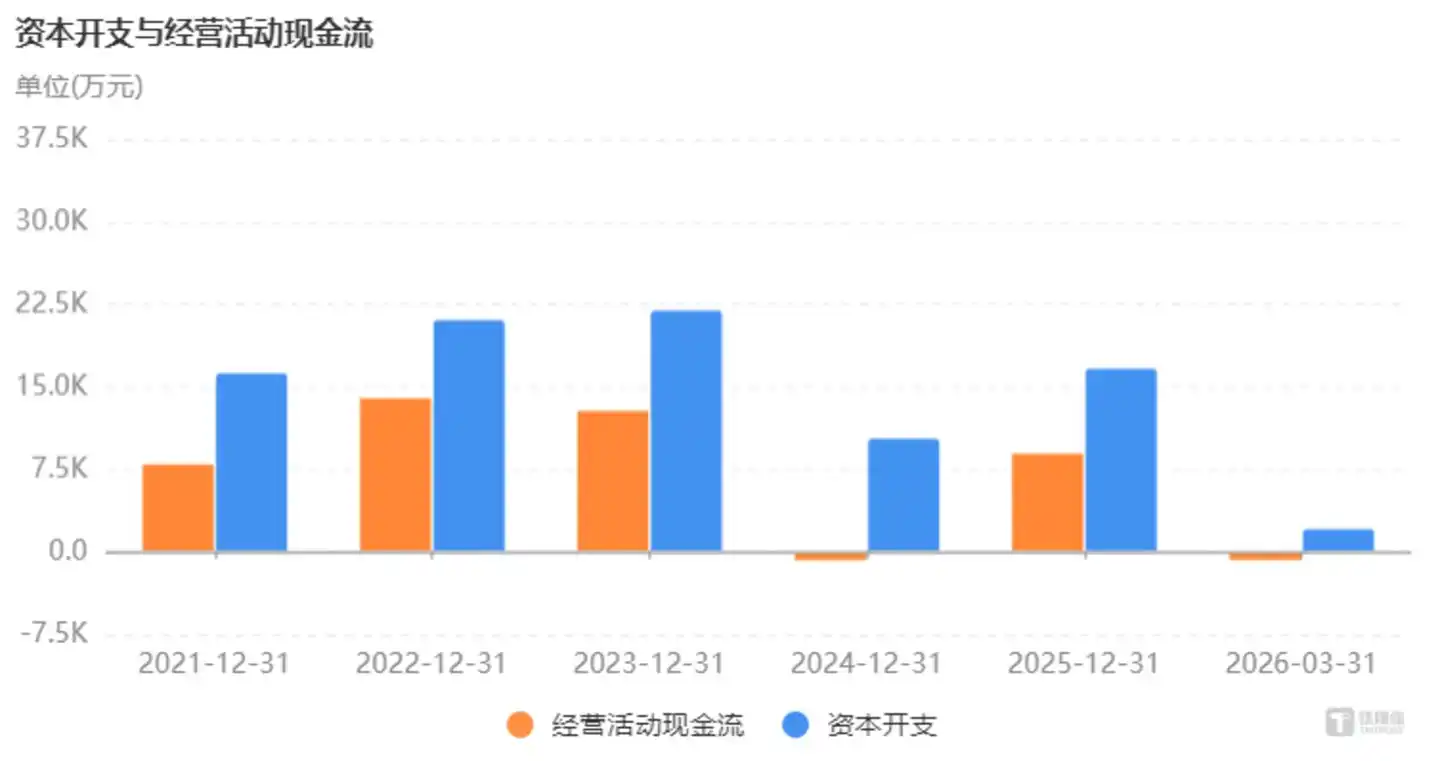
Against that backdrop, BaolaiTe previously completed the closing of fundraising projects and said the remaining 60.6631 million yuan of raised funds would be used permanently to replenish working capital.
Speculation fades, operating questions remain
From Quweizhihe’s entry in January, to the control-change announcement at the end of July, to the termination disclosed on Aug. 7, BaolaiTe’s ownership-change trade has now largely unwound. The idea that Weigu Information might reach the capital market through the listed company has cooled with it.
What remains are the company’s unresolved operating questions: when its core business can return to profit, and how it plans to handle debt and bond repayment pressure in the short term.
The original article was attributed to Company Watch, written by Cao Shengyuan and edited by Deng Haotian.