

Author: ollieblocmates, blocmates
Translated by TechFlow
Base is still producing projects that sit outside the market’s familiar crypto playbook, according to a blocmates article carried by MarsBit. The piece starts from a widely repeated view that crypto has narrowed to four winning categories: perpetuals, memecoin launchpads, stablecoin issuers and trading apps. blocmates argues that the picture is incomplete and uses Base as its latest stop in a broader tour of major networks to look for products that are still being built beyond speculation-led demand.
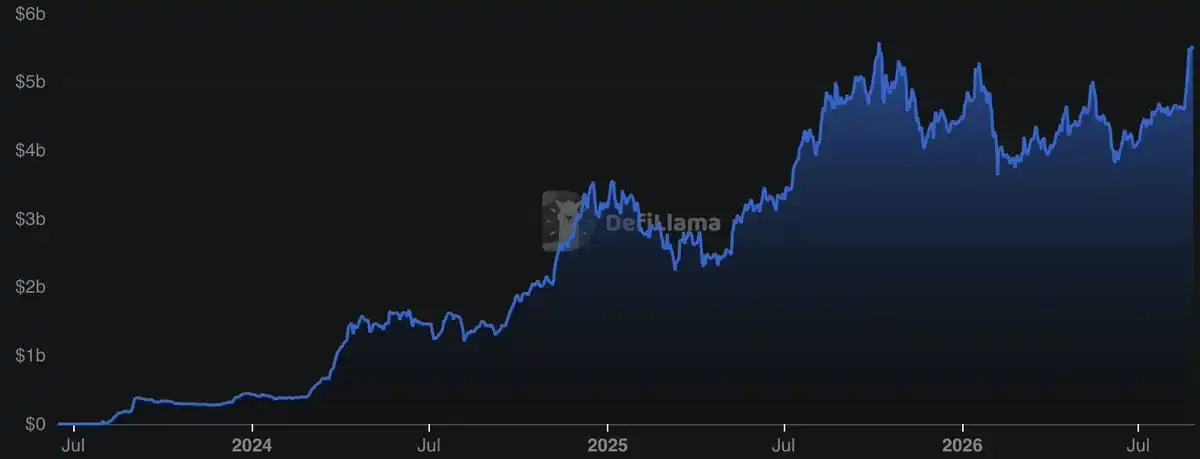
The article describes Base as the native network of Base App. It notes that debate remains over the gap between the network’s direction and its actual execution, but says onchain indicators still show a healthy ecosystem. TVL on Base is listed at more than $5 billion.
That figure is also highly concentrated, the report says. Morpho alone accounts for more than 80% of the network’s locked value, at over $3 billion.
As of mid-August 2026, Base was handling about 12 million transactions a day, placing it among the busiest tracked chains by transaction count. Daily active addresses were about 283,000. The article also says Base settles roughly 90% of x402 transactions, referring to an emerging micropayment standard for agent-to-agent payments, and leads in onchain spot trading volume for major L1 assets including BTC, ETH and SOL.
Over the past year, Base’s share of global DEX volume rose from 8.8% to 12.1%, a 38% increase, while total trading volume was also up 38% year over year. From there, blocmates lays out five projects it sees as worth watching on the network.
Hydrex
Hydrex is introduced as a Base-native MetaDEX, or meta DEX/automated market maker, that aggregates native pools and external liquidity sources across the Base ecosystem. It routes trades through protocols such as Uniswap and Morpho in search of better pricing.
The project runs on a modified ve(3,3)-style incentive engine. Community governance directs weekly HYDX emissions and protocol revenue toward the pools producing the most liquidity and trading volume. Holders of locked tokens can capture 100% of the fees generated by Hydrex LPs through weekly allocations, with partner incentives added on top. blocmates describes that structure as a flywheel built to reward long-term alignment.
The article also points to several product features: token swaps and liquidity provision in a single signature, an automated liquidity manager, and HYDX emissions backed by real reserve contributions.
SwapRoyale
SwapRoyale is framed as one of the most interesting products now being built on Base. It is a fantasy trading competition app currently in iOS public beta. Users pay a fixed entry fee and receive a $100,000 virtual portfolio to compete in live trading contests.
The article presents SwapRoyale as a consumer-facing expression of a simple idea: take something people already like, in this case trading, and package it in a more game-like, skill-oriented format with smoother UX. Its onboarding flow includes email sign-up, automatic wallet creation, and funding through Coinbase, Venmo, PayPal, Apple Pay, debit cards or any crypto wallet. The platform charges no platform fees for deposits or withdrawals.
Users can browse and enter competitions based on available assets, prize pool, payout structure, duration, the maximum number of trades and the minimum number of entrants. The contest formats are split into three categories:
- Guaranteed prize pool (GPP) contests, with higher volatility and larger prizes
- Double-up or triple-up contests, aimed at lower-volatility play
- Free contests for risk-free practice
blocmates says SwapRoyale is averaging more than 300 daily players, has paid out more than $100,000 in prizes, and has attracted more than 1,500 paying users.
The report also lists upcoming integrations and product additions intended to improve rewards, engagement and ease of use. Those include a full 76-badge system with interactive 3D collectibles, a reworked win-streak mechanic and expanded sharing tools; weekly Megapot drawings with free ticket earning, live prize-pool tracking and prizes backed by real tickets; and partner rewards redeemable through Trove, Moonshot and Beezie.
It adds that the app now includes Blink instant deposits and a broader UX overhaul covering first-launch onboarding, a new navigation system, a unified leaderboard, smoother gestures, haptics, sound effects, animation and a redesigned sharing flow.
BlockRun
BlockRun is placed in the context of Base’s emerging onchain agent economy. The article says some of the more inventive onchain AI work has already appeared on Base, with x402 listed as a notable example. BlockRun is presented as infrastructure that adds a routing and payment layer for that economy.
In blocmates’ description, BlockRun is a permissionless AI gateway that lets autonomous systems discover, pay for and execute services without API keys, subscriptions or credit cards.
Through BlockRun, agents can fund a non-custodial wallet with USDC on Base, call any endpoint, and use the x402 protocol to embed payment directly into an HTTP request. Settlement is completed in a single round trip. The article says that setup creates true metered intelligence, where users pay only for what they consume.
Payments settle instantly in USDC, according to the report, allowing agents to operate at internet speed without the friction associated with traditional API billing systems.
PixieChess
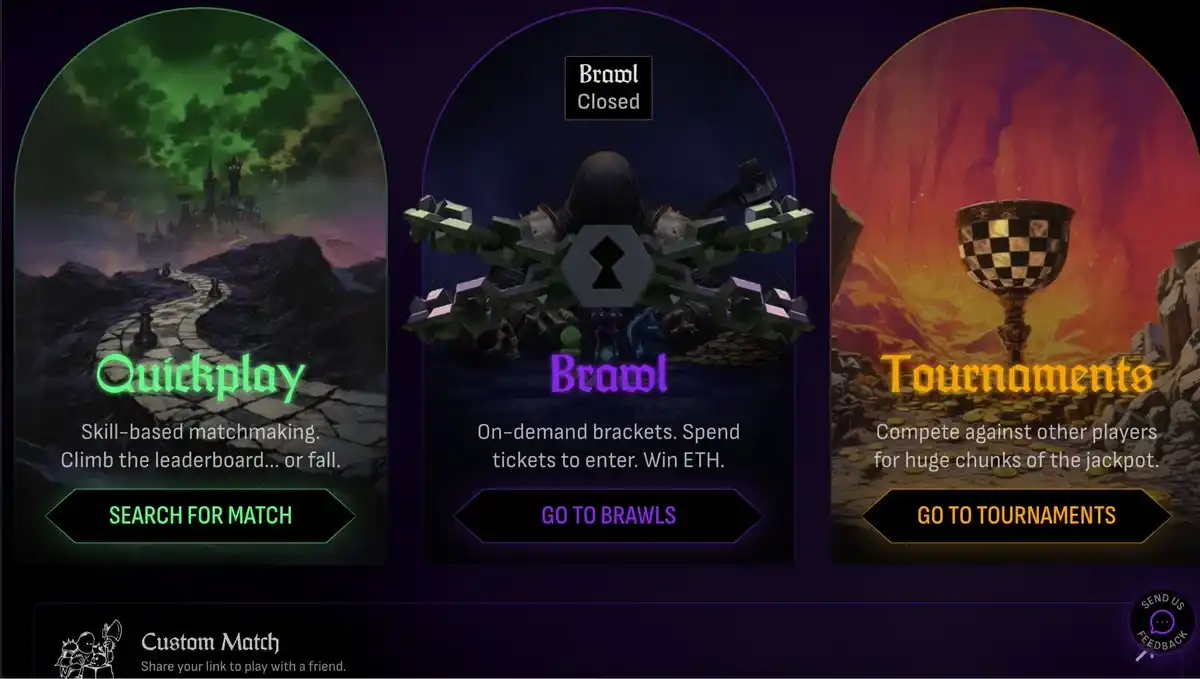
PixieChess is described as a real-money chess game built on Base where every piece is a collectible NFT with its own special ability. Those abilities alter standard chess rules.
Players assemble their board from their own collection, then either climb the ladder or burn pieces to enter higher-stakes tournaments and matches. The article says the system is designed so value stays inside the game economy: each sale funds the treasury, and the treasury funds prizes that are paid out in real ETH.
The game keeps the structure of classical chess. White moves first, players alternate turns, and only one piece moves each turn. Castling, en passant and promotion follow standard rules unless overridden by a piece’s special ability.
The goal remains checkmating the opposing king. Draws can result from stalemate, mutual agreement, the 50-move rule with no capture or pawn move, threefold repetition or insufficient material. Each player also has a chess clock that runs only on that player’s turn. Running out of time usually means a loss, unless the opponent lacks sufficient material to checkmate, in which case the game is drawn.
Tokensto
Tokensto targets a specific problem tied to AI subscriptions: unused tokens left over after paying for a product. The article describes it in simple terms as a way to turn idle AI tokens into cash, with the service built on Base.
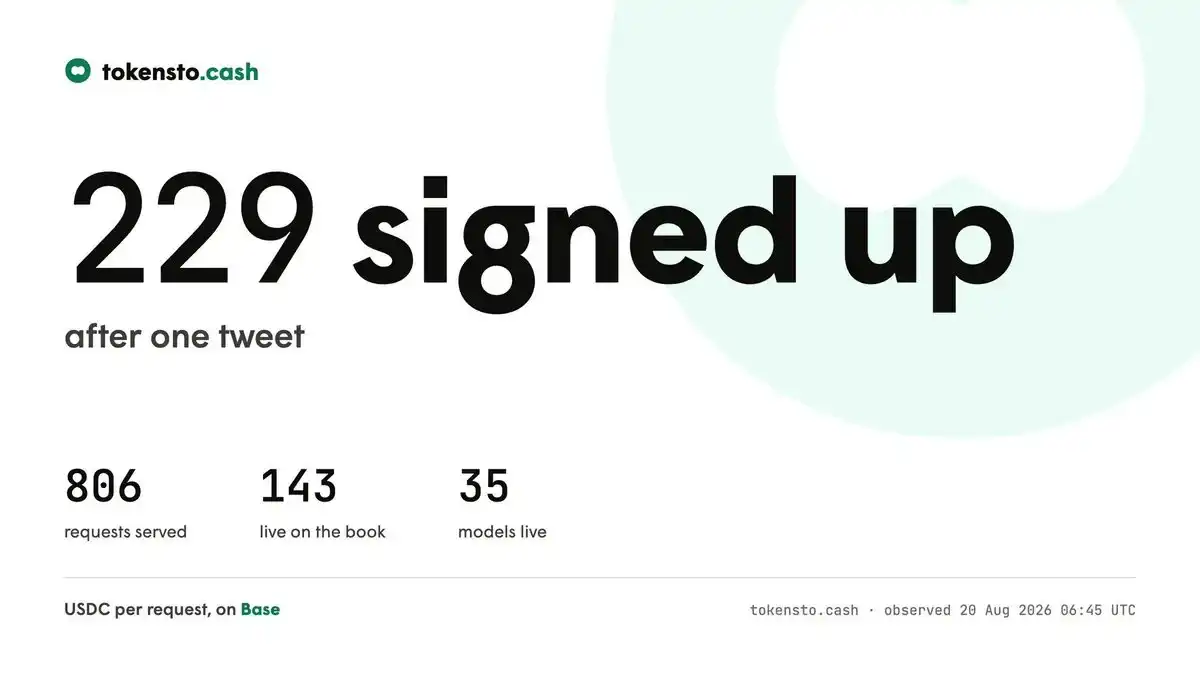
Users paste in a provider key, whether from OpenRouter, Venice or any OpenAI-compatible URL. That supply is then listed for sale. If the pricing is competitive enough, it gets bought, and the proceeds go directly to the user’s wallet.
The technical stack behind the service includes Surplus, described as an open inference marketplace. Usdctofiat automatically prices each listing at the top of the order book, while Peer, a permissionless on-ramp and off-ramp protocol, allows users to withdraw money directly to offchain banking apps.
The article says available data suggests users have responded well to the product and argues that an inflection point may be a matter of time.
What blocmates takes away from Base
In its closing section, blocmates says its visit to Base surfaced five different directions under active exploration: a MetaDEX designed around tighter incentive alignment, a fantasy trading product that turns market instinct into competition, an agent payment layer that removes the friction of traditional API billing, a chess game that rewrites rules with collectible pieces while keeping value circulating inside the system, and a platform that converts unused AI tokens into cash.
The article does not claim all of these experiments will become category-defining successes. Its point is narrower. Builders on Base, it argues, are still willing to test consumer products, agent-economy infrastructure and unusual game mechanics instead of focusing only on the next speculative flywheel.
That leaves blocmates with a broader conclusion: the surface area of interesting onchain activity remains wider than current market consensus tends to admit. As more volume flows in and more teams pitch themselves as crypto-native, the article expects more projects of this kind to come into view.